
Reviewed · OLD DUBAI, SOUKS & ABRA RIDES
Visit Old Dubai History, Culture, Neighborhood Walking Tour
Old Dubai is best understood on foot, where restored courtyard homes, creek views, small museums, mosques, food stalls, and old-style markets sit close together. This private walk connects Al Seef and Al Fahidi with the Spice and Gold Souks, while guide Shafi explains UAE history, customs, religion, and daily life in clear English. I like the Arabic coffee, dates, sweets, and camel milk chocolate tastings, as well as the chance to enter traditional homes rather than simply photograph them from outside.
I also like that the tour ends at the Gold Souk, close to several transport options, instead of sending you back to the starting point. The main consideration is the heat: three hours on foot in Dubai can feel demanding, especially around midday. Wear light clothing, carry water, and remember that shopping time can make the tour feel less structured than a museum visit.
Key points to know before booking
- Private walk with guide Shafi: Your group has its own guide, allowing time for questions about UAE culture, Islam, customs, and local life.
- Al Fahidi historic homes: You enter traditional rooms and see household objects that help explain how people lived in Dubai in earlier generations.
- Arabic tastes included: Arabic coffee, dates, sweets, and camel milk chocolate make the cultural lessons more tangible.
- Ancient boat ride and creek setting: The route includes a traditional boat experience and a look at the waterway that shaped old Dubai.
- Souks at the finish: You visit the Spice Souk and Gold Souk, with time to consider spices, traditional clothing, and gold.
- Three hours for $33.49: The price is reasonable for a private cultural walk with tastings, an included open museum, and a boat experience, though purchases are extra.
Why this walk gives you a useful Old Dubai introduction
Modern Dubai is easy to recognize: towers, highways, malls, and polished hotels. Old Dubai asks you to slow down. This tour focuses on the places where the city’s story is easier to see, especially around Al Fahidi and Dubai Creek.
The route is not just a list of buildings. You learn about the seven emirates, the founding of the UAE, and the origins of Dubai as a city. The guide also discusses social customs, marriage traditions, hospitality, and the way the country manages a population made up of many backgrounds.
That range is the tour’s main strength. You are not limited to architecture or shopping. You get a basic framework for understanding the country, then see how that framework connects to homes, religion, food, and trade.
The experience is private, so your own group takes part. That matters here because the subject is broad and personal. You can ask about a custom, pause at a house, or request more detail about Islam without being lost in a large crowd.
Guide Shafi receives repeated praise for his clear explanations, strong English, punctuality, and friendly manner. He has also communicated by text about the meeting place and has spoken some Spanish with a participant. Those details suggest a guide who pays attention to practical needs as well as historical facts.
Other trips through the old quarter in Dubai:
- Dubai: Old Town, Creek, Museums, Souks, & Street Food Tour
★ 4.8 · 10,816 reviews - Dubai: Old Town, Souks, Street Food, Guided Tour & Abra Ride
★ 4.9 · 7,170 reviews - Dubai: Frame Tickets, Creek, Souks & Blue Mosque Guided Tour
★ 4.8 · 5,980 reviews
Starting at Al Seef beside Dubai Creek
The meeting point is Wokyo Noodle Bar at Al Seef, in the Heritage Village area, P3, Shop 381. The walk begins at 9:30 a.m., which is a sensible start for a three-hour outdoor activity. You get some of the cooler part of the day, though Dubai can still be hot and humid.
Al Seef combines modern shops and restaurants with older-looking architectural details. This makes it a useful opening scene because you immediately see two versions of Dubai together: the carefully presented modern heritage area and the older neighborhoods beyond it.
Your guide introduces Dubai Creek and explains why the waterway matters. The creek is not simply a scenic backdrop. It helps explain the city’s early trade, movement, and connection to the wider Gulf region.
I like beginning here because it gives you a clear contrast before you enter Al Bastakiya and Al Fahidi. You can see how Dubai presents its past today, then compare that with streets and buildings that carry a more direct connection to earlier local life.
Al Bastakiya and the story of the UAE
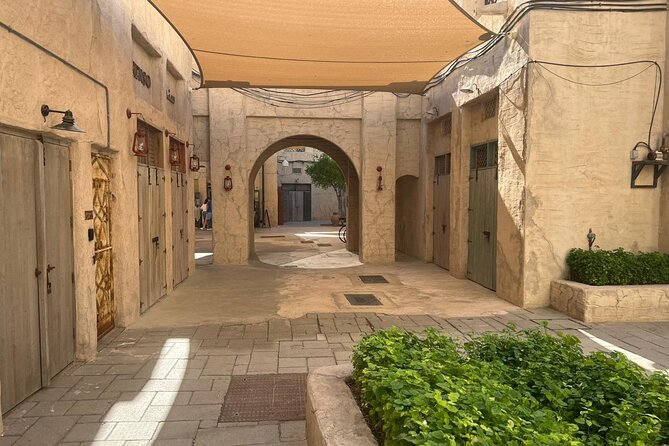
The first major walking section takes about an hour. In Al Bastakiya, you walk among historic houses and narrow streets while learning the basic story of the UAE.
The guide explains the seven emirates, identifies the founder of the UAE, and discusses when Dubai was founded. These are simple questions, but they are useful ones. If you arrive knowing only the skyline and shopping malls, this section gives you a foundation for everything that follows.
The traditional houses are important because they turn national history into something you can picture. Instead of hearing only about dates and leaders, you see the type of architecture associated with earlier homes and learn how residents used their space.
A local house visit also introduces expected behavior and hospitality. You hear what to expect from the visit and learn about traditional drinks before tasting them. That small explanation helps you understand the customs behind the refreshments, rather than treating them as random snacks.
The discussion can move into general information about the country, social life, customs, and traditional marriage practices. Some subjects are broad, so the amount of detail may depend on your questions and the pace of your group. Still, this is a useful chance to ask direct questions about everyday life in the UAE.
Traditional rooms in Al Fahidi
The Al Fahidi section takes about an hour and focuses on traditional rooms and household objects. You enter spaces designed to show how local people lived in earlier generations, with attention to the items and room arrangements inside.
This is one of the most worthwhile parts of the walk for anyone who wants more than an exterior view. Old buildings can be attractive but vague. A room with objects, furnishings, and an explanation of use gives you a clearer picture of daily routines.
You also receive Arabic coffee, dates, sweets, and camel milk chocolate. The tasting is included, and it adds a welcome pause to the walking. Arabic coffee and dates are tied to hospitality, while camel milk chocolate offers a more modern taste of a product associated with the region.
The food is not presented as a full meal. The included snacks are best understood as cultural samples. If you need lunch, plan for that separately, especially because the tour ends around the Gold Souk rather than at a restaurant.
The guide’s explanations are a major part of this stop. Shafi is praised for answering questions and making the material understandable. That is helpful in a house museum, where a brief explanation can turn a collection of objects into a picture of home life.
Other guided walks in Dubai:
- Historic Old Dubai & Souk Small Group Walking Tour
★ 5.0 · 156 reviews - Dubai Souks, Food & Culture Walking Tour
★ 5.0 · 132 reviews - Private Old Dubai Walking Tour: Forts, Souks, and Boats
★ 5.0 · 116 reviews - Dubai: Private Old Town, Heritage & Souks Walking Tour
★ 4.9 · 102 reviews
A short lesson about Islam at the mosque
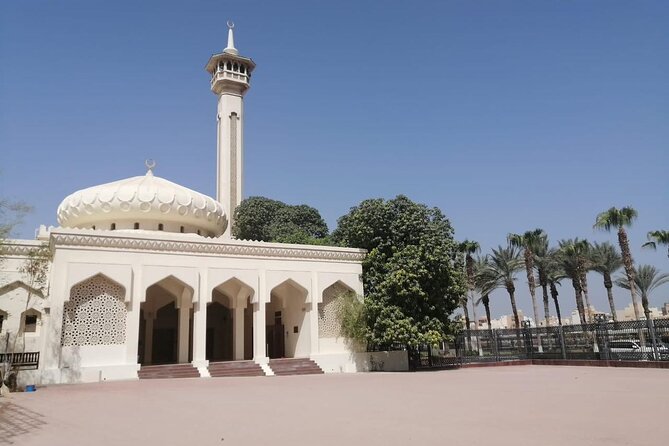
The walk includes a mosque visit from the outside or mosque-side walkway, with a brief introduction to Islam. You learn the definition of Islam and the pillars of Islam, along with a discussion of how religion relates to society and the UAE government’s management of a diverse population.
This is an introductory lesson, not a full religious study tour. That is the right expectation. The value is in receiving basic context before you encounter more mosques, prayer spaces, or Islamic customs during the rest of your time in the UAE.
Dress and behavior matter at religious sites. The tour information refers to expected behavior at the traditional house and includes a mosque stop, so modest clothing and a respectful manner are sensible choices. The provided details do not specify a dress code, so ask the guide if you need clarification.
I appreciate that religion is included without making the whole walk about religion. It is treated as one part of the country’s society, alongside family customs, hospitality, trade, and modern population changes.
The ancient boat ride and creek atmosphere
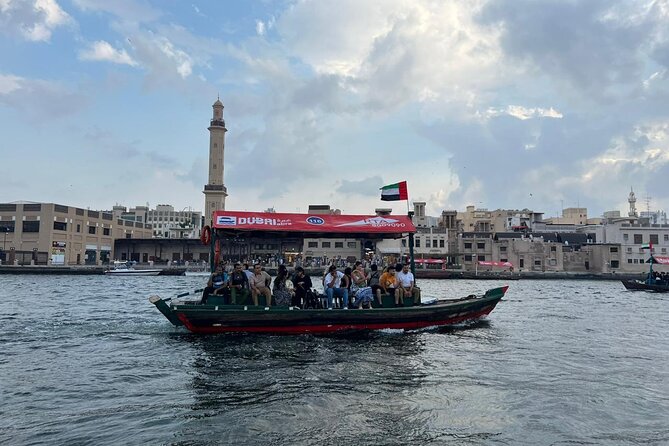
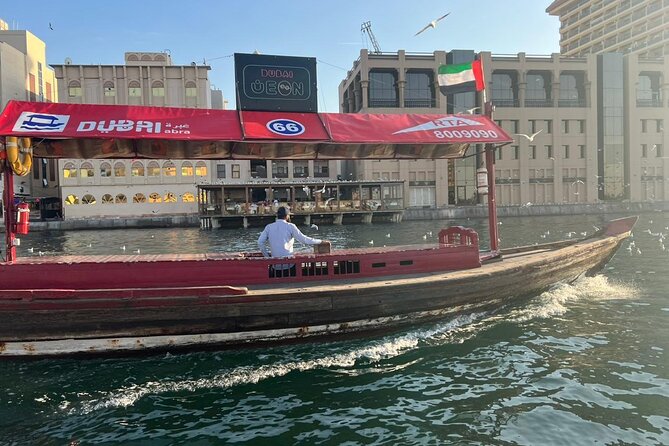
An ancient boat ride is part of the experience. The supplied details do not specify the exact boat type or duration, so you should think of it as a short traditional water experience rather than a separate cruise.
Its value is simple: you get to see the creek from the water and connect the walking route to Dubai’s trading past. The boat helps break up the three-hour walk and offers a different view of the historic district.
The creek area can also be one of the more exposed parts of the route. The heat and humidity were noticeable for at least one group, even with a guide who kept the pace moving and supplied local snacks. Bring water and use sun protection. The morning start helps, but it does not remove the need to prepare for outdoor conditions.
Street food and small local tastes
The experience includes a chance to try local street food, in addition to Arabic coffee, dates, sweets, and camel milk chocolate. The exact dishes are not specified, so you should not book this as a fixed food tour with a promised menu.
Instead, think of the food stops as small introductions to local flavors woven into a cultural walk. This format works well if you like sampling rather than sitting down for a long meal.
I would still eat a light breakfast before meeting the guide. Snacks are included, but three hours of walking and shopping can leave you hungry. If you have dietary restrictions, ask about the food before tasting it, since the supplied information does not list ingredients or alternatives.
Spices Souk: scents, samples, and shopping
The Spice Souk gives you time to see and shop for different spices. This is a more commercial part of the route, but it also connects neatly with the earlier discussion of trade and daily life.
The guide can explain what you are looking at, while you decide if you want to buy anything. The experience includes shopping time, but purchases are not included in the price. Keep that in mind if you prefer tours with a strict no-shopping format.
The best approach is to treat the souk as an opportunity, not an obligation. You can look, smell, ask questions, and buy only if something interests you. The tour description refers to best deals, but prices still depend on the item and the seller, so compare before committing.
Spices also make practical souvenirs. They are lighter and easier to pack than many larger purchases, though you should check any airline or customs rules that apply to your trip.
Gold Souk and the end of the route
The walk finishes at Dubai Gold Souk in Deira, in the Al Ras area. This is useful planning information. You do not need to return to Al Seef after the tour, and the ending point is close to several transportation destinations.
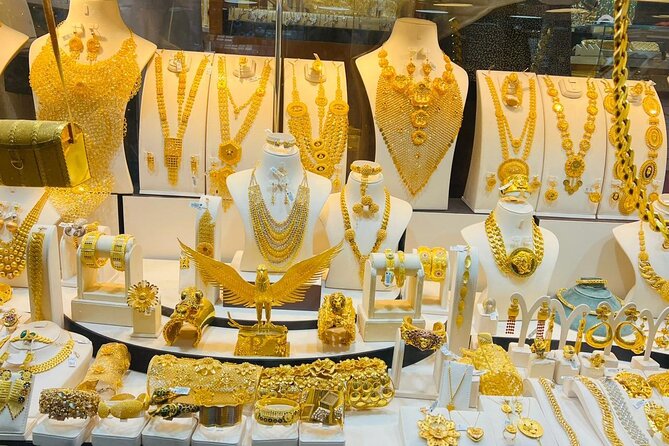
The Gold Souk is a strong final stop because it shows another side of Old Dubai’s commercial life. You can browse gold, traditional clothing, spices, and other goods, depending on what you want to see.
Shopping is optional, but the route gives you time for it. If you are buying gold, ask for the weight, purity, workmanship charge, and final price. The tour does not include purchases, and the guide’s role is to show you the area rather than guarantee a specific deal.
You may find that the final hour feels less like a guided history walk and more like an introduction to the market. That suits people who want to combine culture with shopping. If you want a quiet museum-focused morning, the souks may feel distracting.
What the $33.49 price includes
At $33.49 per person, the price is fair for a three-hour private experience that includes a guide, snacks, traditional tastings, an open museum, and an ancient boat ride. It offers more personal attention than a large group walk, and the end point is practical for continuing your day.
The value depends on how you use the guide. If you ask about UAE history, family customs, Islam, architecture, and shopping practices, you receive a broad introduction in a short period. If you mainly want photographs, you may find a self-guided walk cheaper.
The price does not cover gold, spices, clothing, meals beyond the included snacks, or the use of a Segway. The listing specifically notes Segway use as not included, so this is a walking experience first.
At three hours, the tour is long enough to cover several districts without taking your entire day. You can schedule another activity afterward, though the heat may make a quiet break appealing.
Who should book this Old Dubai walk
I would choose this tour if you are visiting Dubai for the first time and want cultural context before spending time in the city’s newer districts. It also suits anyone returning to Dubai who has already seen the modern skyline and wants to understand local life more clearly.
It is a good fit for:
- First-time visitors who want a basic UAE history lesson
- Couples, families, or friends who prefer a private group
- People interested in homes, customs, religion, and food
- Shoppers who want to finish near the Spice and Gold Souks
- Visitors who appreciate a guide who can answer questions
- Anyone who prefers walking to a bus-based city tour
You should think twice if you dislike heat, walking, market visits, or shopping conversations. The tour includes several outdoor sections, and the exact balance between history and shopping may shift with the group’s pace.
Practical advice for a smoother morning
Meet at Wokyo Noodle Bar in Al Seef and arrive ready to begin at 9:30 a.m. The mobile ticket is convenient, and booking confirmation is issued at the time of booking.
Wear comfortable walking shoes and light clothing. Carry water, protect yourself from the sun, and dress respectfully for the mosque stop and traditional homes. The tour is near public transportation, and the Gold Souk ending makes onward travel easier.
The activity is listed as suitable for most participants, but the route involves walking for about three hours. If you have any concern about heat or walking, contact the provider before booking.
Cancellation is flexible if you act early. You can cancel for a full refund up to 24 hours before the start time. Cancellations or changes made less than 24 hours before the start time are not accepted for a refund, and the cut-off follows local time.
Should you book Hamdan Old Dubai Walking Tour?
Book it if you want a compact, personal introduction to Old Dubai that combines history, local customs, food samples, a traditional boat ride, and market time. Guide Shafi’s clear English, punctual communication, and willingness to answer questions are important advantages.
The strongest parts are the historic homes, the cultural explanations, and the tastings. The main tradeoff is the heat, along with the fact that the final section gives shopping a fair amount of attention.
For $33.49, this is a sensible choice for a first morning in Old Dubai. Start hydrated, wear respectful light clothing, and treat the souks as optional browsing rather than a promise of a bargain. If that sounds like your kind of introduction, book it.
FAQ
How long is the Old Dubai walking tour?
The tour lasts approximately three hours.
What time does the tour start?
The tour starts at 9:30 a.m.
Where does the tour begin?
The meeting point is Wokyo Noodle Bar at Al Seef, Al Hamriya, Al Seef Heritage Village, P3, Shop 381, Dubai.
Where does the tour end?
The tour ends at Dubai Gold Souk in Deira, Al Ras, Dubai.
Is this a private tour?
Yes. Only your group participates in the private tour or activity.
What food and drinks are included?
Included tastings and snacks include Arabic coffee, dates, sweets, and camel milk chocolate. The experience also includes local street food.
Does the tour include the Gold Souk and Spice Souk?
Yes. The route includes the Spice Souk and Gold Souk, with time for shopping.
Is the museum entrance included?
Yes. Entry to the open museum is included.
Is Segway use included?
No. Segway use is not included.
Can I cancel for a full refund?
Yes. You can cancel at least 24 hours before the experience start time for a full refund. Cancellations or changes made less than 24 hours before the start time are not accepted for a refund.
More history and heritage in Dubai
- Dubai Evening Heritage Safari by Vintage G Class Al Marmoom Oasis
★ 5.0 · 1,500 reviews - Dubai Camel Desert Safari, Traditional Meal & Heritage Activities
★ 5.0 · 937 reviews - Dubai: Heritage Safari in Vintage Land Rover with Dinner
★ 4.8 · 861 reviews - Dubai: Historic City Highlights Day Trip
★ 4.4 · 807 reviews
Just added in Dubai
- Dubai Walking Tour★ 5.0 · 7 reviews
- Dubai Unique Sunset Combo: 4WD and Quad Bike Red Dunes Safari★ 5.0 · 54 reviews
- Dubai Wild Wadi Water Park Admission Ticket★ 4.5 · 9 reviews
- Dubai Secret Food Tours with Access to Burj Khalifa bar★ 5.0 · 49 reviews
- Dubai Walking Tour “Fahidi Area, Dubai Museum, Souks”★ 5.0 · 13 reviews
- Dubai: Unique SUNRISE 4WD Red Dunes Safari★ 5.0 · 68 reviews
- Dubai: Unique SUNSET Buggy Red Dunes Safari★ 5.0 · 32 reviews
- Half-Day Private City Tour with Magical Dubai Frame Visit★ 4.5 · 9 reviews
Old Dubai, Souks & Abra Rides, compared.
Old Town, Creek, Museums, Souks, & Street Food Tour
Read our review →
Old Town, Souks, Street Food, Guided Tour & Abra Ride
Read our review →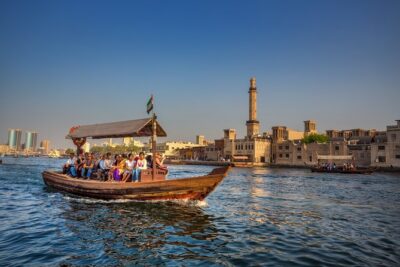
Frame Tickets, Creek, Souks & Blue Mosque Guided Tour
Read our review →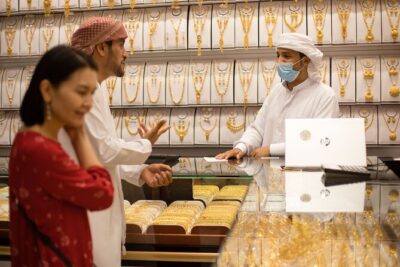
Dubai Aladdin Tour: Souks, Creek, Old Dubai and Tastings
Read our review →
Half-Day City Tour with Blue Mosque, Creek, and Souks
Read our review →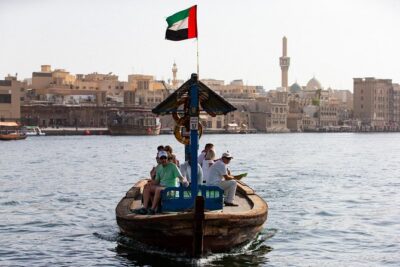
Dubai Half-Day City Tour with Visit to Dubai Gold Souk
Read our review →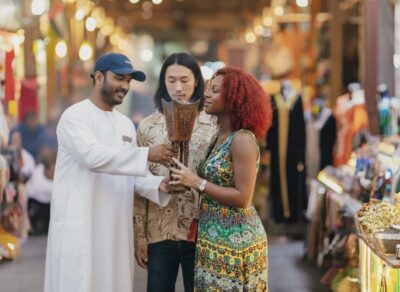
Old Town, Street Food, Creek, Souks, & Emirati House
Read our review →
Dubai City Tour: Old & New Dubai Abra Ride, Palm Island, Souks
Read our review →Browse the lists this tour appears in