
Reviewed · OLD DUBAI, SOUKS & ABRA RIDES
Private Old Dubai Walking Tour: Forts, Souks, and Boats
Old Dubai makes the strongest impression when you move through it slowly. This two-hour walk begins among Al Fahidi’s wind towers and restored courtyard homes, then crosses Dubai Creek by wooden abra before finishing among the gold, spices, tea, and trading lanes of Deira. It gives you a useful counterpoint to Dubai’s glass towers.
I like the easy walking pace and the way the route mixes history with ordinary street life. I also like the small details, from Hindi Lane and fabric shops to saffron, dates, and camel milk chocolates in the Spice Souk. The main drawback is time: two hours passes quickly, and the Gold and Spice Souks can feel rushed if you want to shop.
Key points to know
- Al Fahidi comes first: Begin with wind towers, courtyards, old walls, art spaces, cafés, and restored heritage homes.
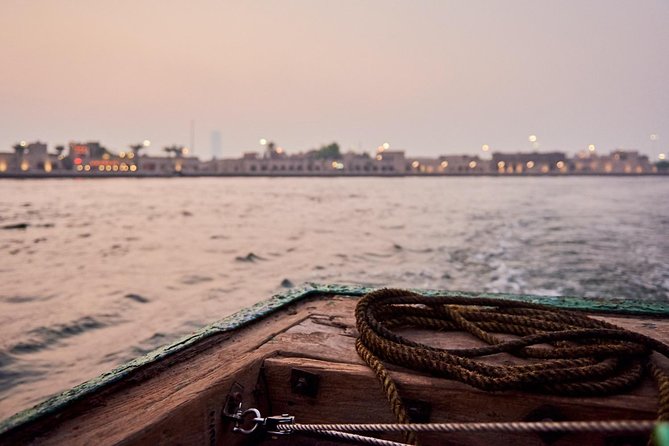
- The abra ride is part of the route: A private wooden boat carries you across Dubai Creek to Deira.
- The guides shape the experience: Pri, Ricky, Ricardo, Patricia, and Sameh are among the guides praised for humor, patience, and clear local insight.
- The Dubai Museum is closed: You see the museum, Al Fahidi Fort, and the old city wall from outside.
- Shopping is optional but built in: The Textile, Gold, and Spice Souks are explained as you walk, with time to browse.
- The price reflects private guiding: At $99 per person, it costs more than a basic group walk, but includes the guide, tea or coffee, and the abra crossing.
Why Old Dubai Is Worth Your Morning
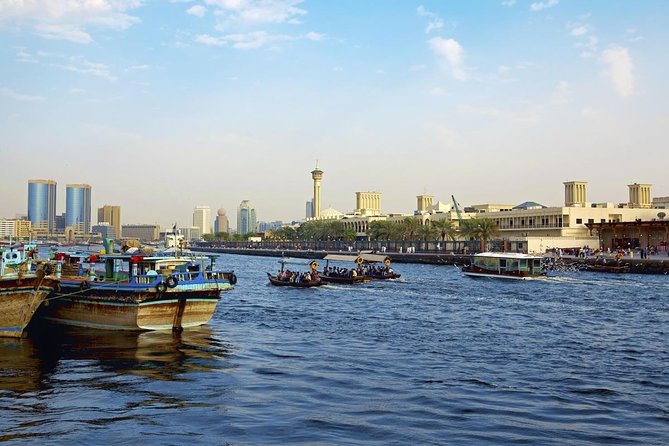
Dubai is often presented through towers, malls, indoor ski slopes, and broad highways. Those sights have their place, but they do not explain how the city began. In Al Fahidi and along Dubai Creek, you get a clearer sense of Dubai as a trading port shaped by fishing, boats, merchants, religion, and migration.
This tour helps connect those pieces. You walk rather than watch from a bus, so you notice narrow lanes, shaded courtyards, carved doors, wind towers, shop displays, and the steady movement around the creek. A guide can also explain details that are easy to pass without a second glance.
The experience is designed for first-time visitors, but it also works for repeat visitors who know the modern city and want a different side of it. One regular business visitor described the walking route as a new way to understand Dubai, especially after seeing Bastakiya, another name used for the Al Fahidi area.
The route is not a formal museum tour. It is a guided introduction to old neighborhoods, commerce, architecture, and daily life. That makes it lively and approachable, though you should not expect long indoor visits or a detailed archaeological lecture.
Other trips through the old quarter in Dubai:
- Dubai: Old Town, Creek, Museums, Souks, & Street Food Tour
★ 4.8 · 10,816 reviews - Dubai: Old Town, Souks, Street Food, Guided Tour & Abra Ride
★ 4.9 · 7,170 reviews - Dubai: Frame Tickets, Creek, Souks & Blue Mosque Guided Tour
★ 4.8 · 5,980 reviews
Meeting at Arabian Tea House in Al Fahidi
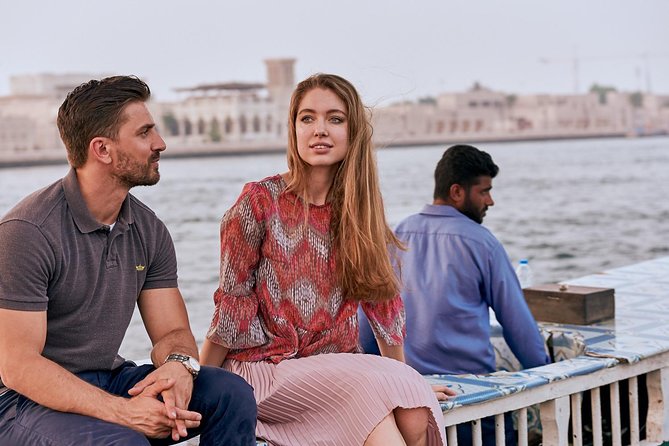
The walk starts at Arabian Tea House Restaurant & Cafe in Al Fahidi, opposite the Musalla Post Office on Al Fahidi Street. This is a practical starting point because you are already in the historic quarter rather than wasting time getting there by vehicle.
The meeting area can be reached by public transportation, and one participant specifically found the Metro straightforward after receiving directions from the tour team. Confirmation is sent at booking, and the company provides guidance before and after the outing.
Arrive on time. One guide waited for a person who was five minutes late, but you should not count on that, especially if the group is moving through narrow lanes or toward a boat departure. Since the end point is in Deira, plan your next activity from the Gold Souk rather than from Al Fahidi.
The tour is advertised as private, with only your group participating. That is important at $99 per person because you are paying for attention and flexibility, not just transport. One account describes a group of about 10, so it is sensible to confirm the exact arrangement if privacy matters greatly to you.
Al Fahidi’s Wind Towers and Courtyard Homes
The first and longest stop is Al Fahidi Historical Neighbourhood, with about 45 minutes set aside for the area. This is where the tour earns its heritage focus.
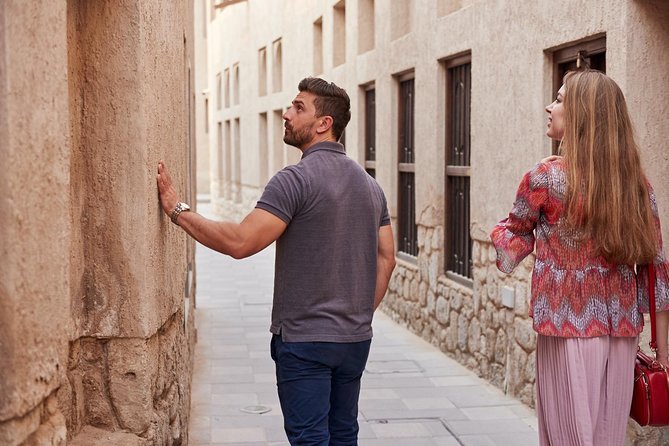
The district contains old homes that now serve as cafés, museums, art galleries, and hotels. Their courtyards and wind towers give you a look at traditional building methods before modern air conditioning. The wind towers are especially useful to see with a guide, since their shape is not simply decorative. They were designed to catch moving air and direct it into the home.
You will also see the wall of Old Dubai and Al Fahidi Fort from the outside. The Dubai Museum is currently closed for renovation, so there is no museum interior visit included. This is the clearest limitation in the schedule. If you hoped to spend time with displays inside the fort, you will need another plan.
Still, the exterior stop has value. The fort and wall help establish the older boundary of the settlement, while the nearby houses show how people lived and worked in a compact community. Guides such as Pri, Ricky, and Patricia have been praised for explaining both the architecture and the connection between Dubai’s older traditions and modern life.
The pace is intentionally casual. That suits Al Fahidi, where the pleasure comes from looking up, pausing in a courtyard, and noticing changes in texture and design. It is not a race from landmark to landmark.
A Short Stop on Hindi Lane
Hindi Lane receives only about five minutes, but it adds an important layer to the route. This narrow passage leads to a Hindu temple area tucked among the older streets of Bur Dubai.
The stop is brief and is free to visit. Do not expect a long religious or historical presentation. Instead, think of it as a quick look at the different communities that have shaped life around Dubai Creek.
That short pause also keeps the walk from presenting old Dubai as a single tradition. The area has long been a meeting point for traders, workers, sailors, and religious communities. Your guide can place Hindi Lane within that wider setting.
Because the lane is compact, the guide’s explanation matters more than the amount of time spent there. Stay close and listen, since it is easy to miss the entrance while moving through the surrounding streets.
Other guided walks in Dubai:
- Historic Old Dubai & Souk Small Group Walking Tour
★ 5.0 · 156 reviews - Dubai Souks, Food & Culture Walking Tour
★ 5.0 · 132 reviews - Dubai: Private Old Town, Heritage & Souks Walking Tour
★ 4.9 · 102 reviews
Textile Souk: Browsing Without Pressure
The Textile Souk follows with about 15 minutes. Fabric and swatches once formed a major part of regional trade, and the shops still offer cashmere and other textiles.
This is the first point where shopping may become part of your experience. The schedule allows time to browse, but the tour is not primarily a buying trip. You can look at colors, textures, and fabrics while learning how the market fits into the old trading quarter.
If you enjoy shopping, you may wish the stop were longer. If you prefer not to buy, the guide can still make the market useful by explaining what you are seeing and helping you understand the difference between casual browsing and serious bargaining.
The tour’s private format should help here. You can ask questions or pause briefly without losing the whole group. Still, keep an eye on the clock. The creek crossing and Deira stops come later, and the Gold and Spice Souks have more ground to cover.
Crossing Dubai Creek by Abra
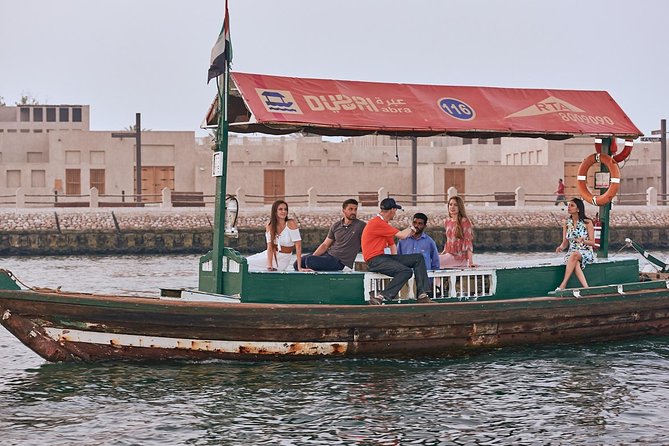
The wooden abra ride across Dubai Creek lasts about 10 minutes and is included in the price. It is also one of the route’s best changes of pace.
After walking through the lanes of Bur Dubai, you step onto the water and arrive in Deira by boat. The crossing is short, but it shows why the creek mattered so much to Dubai’s growth. The two sides feel connected by trade and movement rather than by a modern highway.
This is not a sightseeing cruise. You will not spend an hour on the water or receive a long onboard presentation. The abra is transportation with character, and that is precisely why it works so well here.
The experience provider describes this as a private abra ride. Since the tour ends at the Gold Souk, the boat crossing also makes practical sense. You are not backtracking to Al Fahidi after visiting Deira.
Gold Souk: More Than a Window Display
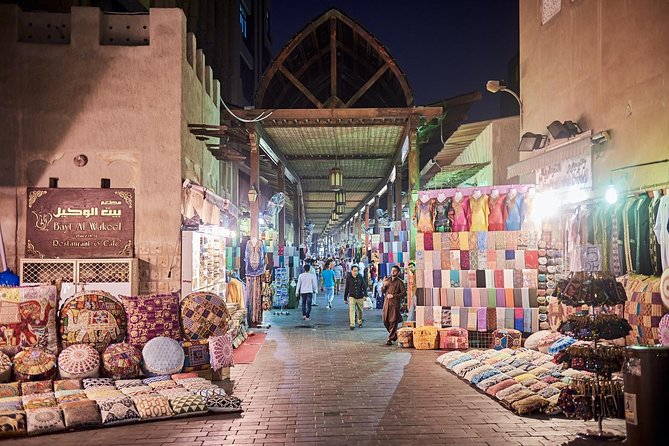
The Gold Souk stop lasts about 10 minutes. The market is known for large displays and dramatic pieces, with a scale that can make even a quick walk memorable.
You do not need to purchase anything to enjoy the stop. The value comes from seeing how gold is presented as a commercial product, learning about the market from your guide, and watching the shopfronts change from one display to the next.
Ten minutes is enough for an introduction, not for serious shopping. If you are comparing pieces, asking about prices, or considering a purchase, you may need to return on your own after the tour. The guide’s role here is mainly to orient you and explain the setting.
This stop also shows why the route works better with local direction. A solo walk through the souk can be fun, but it may be harder to understand how the market fits into Deira’s older trading district.
Spices, Tea, Dates, and Camel Milk Chocolate
The final scheduled stop is the Spice Souk, with about 15 minutes included. This is where the tour becomes especially sensory.
You learn about saffron, vanilla, spices, and the wide range of teas. The visit also includes tasting dates and camel milk chocolates. These small samples make the stop more than a walk past shop signs, and they give you a practical introduction to local flavors.
The market is also a good place to ask questions about what you are buying. If you are tempted by saffron, tea, or spices, listen carefully to the guide before making a purchase. The tour gives you context, but it does not promise unlimited shopping time.
The Spice Souk is the endpoint, in Deira’s Al Ras area. That makes it convenient if you want to continue exploring Deira, take public transportation, or return later to shop at your own pace.
The Guides Make the Difference
The strongest part of this experience is the guide. The route itself is easy to follow, but the meaning behind it depends on the person leading you.
Pri is praised for being polite, humorous, and well informed about old Dubai and the UAE. Her tours have included an art center, and she has been especially good at offering practical suggestions for the rest of a Dubai visit.
Ricky is described as friendly, funny, and proactive. His approach includes explaining architecture and, at times, introducing the people running particular shops. That can make the market feel more like a working neighborhood and less like a row of tourist displays.
Ricardo is praised for his personable manner and strong command of the subject. One outing with him lasted about two and a half hours, longer than the advertised estimate, which suggests that the pace can stretch when conversation and questions take over.
Patricia is noted for an easy pace and clear explanations of Dubai’s past and present. Sameh has also been praised for making the walk interactive. Guide assignments can change, so you should not book on the assumption that one particular person is guaranteed.
The common thread is conversation. You can ask about customs, clothing, food, architecture, and modern life in the UAE. That personal exchange is what makes the $99 price easier to justify.
What the $99 Price Really Buys
At $99 per person, this is not the cheapest way to walk through Al Fahidi and Deira. You can visit the districts independently and pay for an abra crossing separately. The question is what you value.
The fee includes a local resident professional guide, coffee or tea, a private wooden boat ride across the creek, and a personalized experience. You are paying for interpretation, route planning, and the chance to ask questions without searching for information on your phone.
The cost makes more sense for first-time visitors, couples, families, or small groups who want a focused introduction without getting lost. It also works well if you have limited time in Dubai and want several major old-city sights connected in one outing.
It makes less sense for confident independent explorers who prefer long, unplanned shopping sessions. You may also find the value weaker if you want extensive interior museum visits, since the Dubai Museum is closed and the fort is seen from outside.
With a rating of 5 from 116 reviews and a 99 percent recommendation rate, the experience has a strong record. Those numbers do not remove the need to consider the short duration, the museum closure, or your shopping priorities.
Pace, Heat, Clothing, and Practical Details
You will walk through outdoor streets, markets, and the creek area for about two hours. Choose comfortable shoes and plan for warm conditions, especially if your departure time places the walk in strong sun.
Dress respectfully for a heritage district and religious setting. Hindi Lane is a temple area, and the route passes through local neighborhoods rather than a purpose-built attraction zone. Modest clothing is the sensible choice.
Coffee or tea is included, along with the dates and camel milk chocolate tasting at the Spice Souk. Gratuity is not included, so bring that into your budget if you feel the guide has added real value.
Mobile tickets are accepted, and confirmation arrives when you book. Service animals are allowed, and most people can take part. The tour is near public transportation, which makes the meeting point and the Deira endpoint easier to connect with the rest of your day.
Free cancellation is available up to 24 hours before the start time. Changes or cancellations made inside that period are not accepted for a refund.
Who Should Book This Walk?
I would choose this tour if you want a clear first look at Dubai beyond the skyscrapers. It is especially useful for people who like history explained through places, shops, food, and conversation rather than through a long indoor lecture.
It also suits you if you are nervous about finding the right lanes, understanding the souks, or using the abra. The guide ties the route together and keeps the outing simple.
Families may appreciate the boat ride, tastings, and changing scenery. Couples and small groups can benefit from the private format, particularly if they want to stop for questions or shopping.
I would hesitate if your main goal is to buy gold or textiles. The shopping stops are short, and the walk gives priority to explanation. I would also look elsewhere if the Dubai Museum interior is essential to your plan, since it is closed for renovation.
Should You Book It?
Book this Old Dubai walk if you want context, conversation, and a well-planned route through Al Fahidi, Bur Dubai, and Deira. The abra ride, Spice Souk tasting, and guide-led market visits give the two-hour outing more variety than a simple neighborhood stroll.
Skip it if you prefer exploring alone, want hours of shopping, or need a museum interior visit. For most first-time visitors, though, the $99 cost is reasonable when you value a private guide and want to understand how Dubai’s old creekside communities connect to the city you see today.
FAQ
How long is the Old Dubai walking tour?
The advertised duration is approximately two hours. Some outings may run longer when the guide spends extra time answering questions or talking with the group.
Is the tour private?
Yes. It is described as a private tour or activity, with only your group participating. One account described a group of about 10, so confirm the exact group arrangement if this is important to you.
Where does the tour start?
The meeting point is Arabian Tea House Restaurant & Cafe in Al Fahidi, opposite the Musalla Post Office on Al Fahidi Street in Bur Dubai.
Where does the tour end?
The tour ends at Dubai Gold Souk in Deira, in the Al Ras area.
Is the Dubai Museum included?
No interior visit is available because the Dubai Museum is currently closed for renovation. The tour covers the museum, Al Fahidi Fort, and the old Dubai wall from the outside.
Is the abra boat ride included?
Yes. A private wooden abra ride across Dubai Creek is included in the tour price.
Are food and drinks included?
Coffee and/or tea are included. The Spice Souk visit also includes tasting dates and camel milk chocolates.
Is shopping included in the tour?
The route includes time to browse the Textile Souk, Gold Souk, and Spice Souk. Purchases are not included, and the short stops may not provide enough time for extended shopping.
Can I cancel for a refund?
You can cancel up to 24 hours before the experience start time for a full refund. Cancellations or changes made less than 24 hours before the start time are not accepted for a refund.
Just added in Dubai
- 2-Day City Tour: Dubai & Abu Dhabi + Yacht Experience★ 4.8 · 17 reviews
- Dubai Souks, Food & Culture Walking Tour★ 5.0 · 132 reviews
- Go Fishing Dubai 5 hours Trolling & Regular Fishing★ 5.0 · 152 reviews
- Historic Old Dubai & Souk Small Group Walking Tour★ 5.0 · 156 reviews
- Jet ski Dubai 30 minute Guided Sightseeing Tour★ 4.5 · 60 reviews
- 1 Hour Horseback Dubai Desert Park Ride★ 4.4 · 116 reviews
- 3-Day PADI Open Water Diving Course in Dubai★ 5.0 · 173 reviews
- Dubai: Private Deep Sea Fishing Trip with BBQ of Catch★ 4.8 · 94 reviews
Old Dubai, Souks & Abra Rides, compared.
Old Town, Creek, Museums, Souks, & Street Food Tour
Read our review →
Old Town, Souks, Street Food, Guided Tour & Abra Ride
Read our review →
Frame Tickets, Creek, Souks & Blue Mosque Guided Tour
Read our review →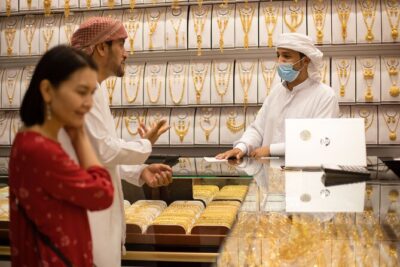
Dubai Aladdin Tour: Souks, Creek, Old Dubai and Tastings
Read our review →
Half-Day City Tour with Blue Mosque, Creek, and Souks
Read our review →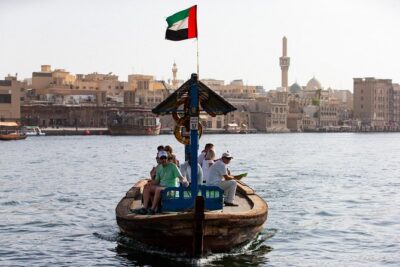
Dubai Half-Day City Tour with Visit to Dubai Gold Souk
Read our review →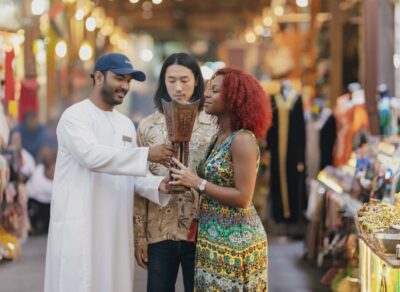
Old Town, Street Food, Creek, Souks, & Emirati House
Read our review →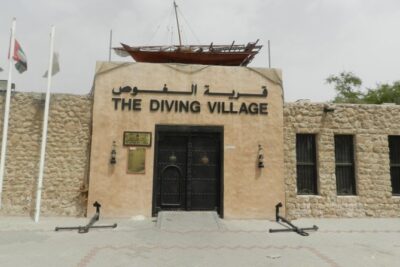
Dubai City Tour: Old & New Dubai Abra Ride, Palm Island, Souks
Read our review →Browse the lists this tour appears in