
Reviewed · OLD DUBAI, SOUKS & ABRA RIDES
Dubai Old Town Walking Tour with Abra ride, Spice and Gold Souk
Dubai’s glass towers are only half the story. This tour takes you into Al Fahidi Historical Neighbourhood, where narrow lanes, wind towers, shaded courtyards, and old stone buildings show how Dubai looked before oil wealth reshaped the city. Then you cross Dubai Creek in a small wooden abra and finish among the spices and jewelry of Deira.
I like two things here: the short, well-packed route gives you several sides of Old Dubai in just a few hours, and the private format lets you ask questions or adjust the pace. Guides including Tamur, Mansoor Ali, and Sarfaraz have earned praise for explaining local customs, taking family photos, and helping with souk shopping.
The main consideration is the price: at $86.53 per person, this is not a cheap way to take an abra, since the boat crossing itself is inexpensive. You are paying for the guide, planning, context, and private attention. If you only want to wander the markets, you can spend less on your own.
Key points to know before booking
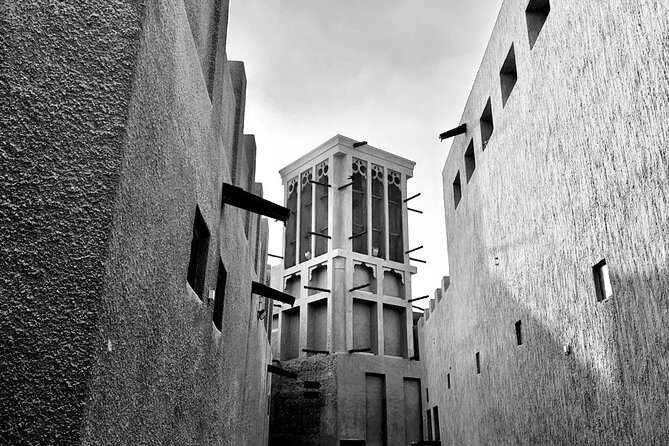
- Al Fahidi comes first: See traditional barjeel wind towers, old building materials, lanes, and courtyards in Dubai’s historic quarter.
- The abra crossing is simple but memorable: You cross Dubai Creek by traditional ferry, linking Bur Dubai with Deira.
- Three souk stops give the tour its shopping appeal: Browse textiles, spices, and gold, with bargaining expected in the markets.
- The private format matters: Your group has its own guide, so you can ask about religion, culture, food, architecture, or shopping.
- Late afternoon can be a smart choice: One guide arranged a 5 p.m. start, allowing the walking portion to take place in cooler conditions before dinner.
- Plan for a compact pace: The tour lasts about 2 to 3 hours, with roughly 20 minutes at most major stops.
Starting in Al Fahidi, where Dubai feels oldest
Meet at Local House Restaurant on Al Fahidi Street in Bur Dubai. This is a practical starting point because the tour begins inside the historic quarter rather than at a modern shopping mall or hotel district.
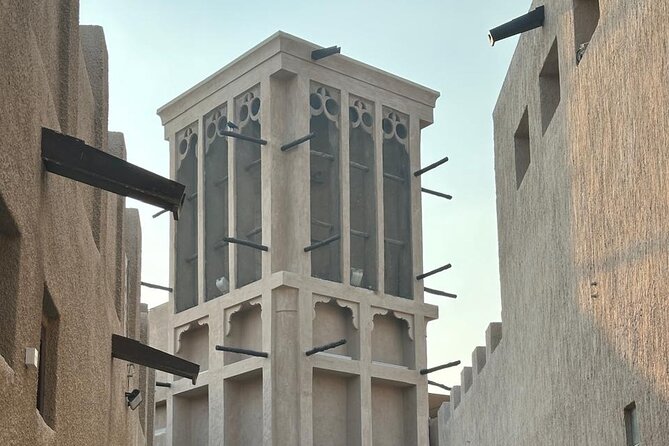
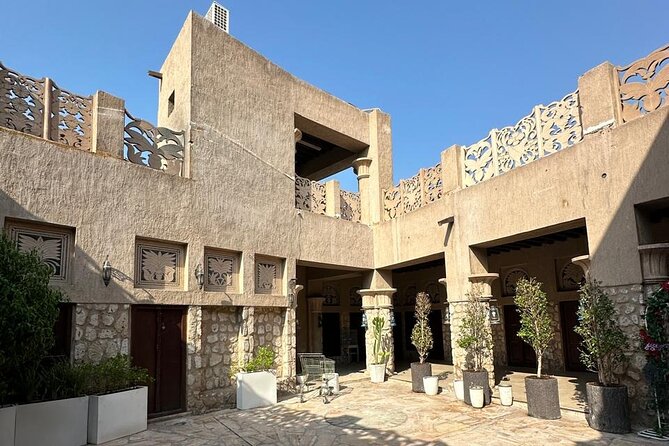
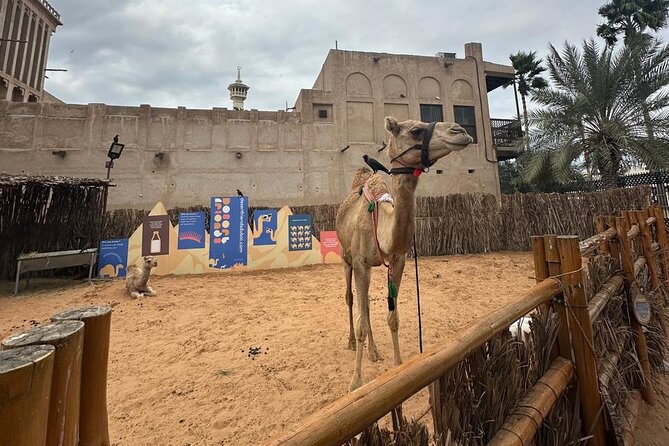
Al Fahidi Historical Neighbourhood reflects the way of life found in Dubai from the mid-19th century through the 1970s. The buildings use materials such as stone, gypsum, teak, sandalwood, palm wood, and palm fronds. Their tall barjeel, or wind towers, helped move air through homes before modern cooling systems.
I find the architecture more interesting when a guide explains how the pieces worked together. On your own, you might notice a narrow alley or a square, but a guide can connect those details to daily life, building methods, and Dubai’s growth from a small creekside settlement into a global city.
Expect about 20 minutes here. That is enough for an introduction and a walk through the lanes, but not enough for a museum-heavy visit or a slow architectural study. If you enjoy taking photos, you may want to move briskly and save some camera time for the end of the tour.
The private setup is useful in this first section. Ask your guide to explain the barjeel, the old construction materials, or the difference between a restored historic building and a newer structure designed in the old style. The guides praised for this tour, including Tamur and Sarfaraz, are especially useful if you want conversation rather than a memorized speech.
Other trips through the old quarter in Dubai:
- Dubai: Old Town, Creek, Museums, Souks, & Street Food Tour
★ 4.8 · 10,816 reviews - Dubai: Old Town, Souks, Street Food, Guided Tour & Abra Ride
★ 4.9 · 7,170 reviews - Dubai: Frame Tickets, Creek, Souks & Blue Mosque Guided Tour
★ 4.8 · 5,980 reviews
Al Fahidi Fort and the story behind Old Dubai
The route also includes Dubai’s oldest surviving building, a fort dating to the 1780s. It was built as a defensive structure and once served as a center of political power in Old Dubai.
The fort gives useful context to the surrounding neighborhood. The small lanes and courtyard houses can seem decorative at first, but the fort reminds you that this was a working settlement with leaders, defenses, trade, and public life.
The details provided for the tour do not promise a long indoor museum visit, so think of this as a historical stop rather than a full museum tour. Your guide’s explanation will likely be the main value. Ask about the fort’s role in the old town and how its purpose differed from the homes in Al Fahidi.
A short look at Dubai’s Hindu temple
The Shiva Temple offers a different view of Dubai’s past and present. The temple serves the Hindu community in the United Arab Emirates, and the complex in Bur Dubai was first established in 1958. It includes the Shiva Mandir, Krishna Mandir, and Gurudwara.
You spend about 10 minutes here, so this is a brief cultural stop rather than a long religious visit. Dress and behave respectfully, and follow any instructions given at the site. The visit works best when you treat it as a chance to understand the range of communities that have shaped Dubai.
This stop also connects with Temple Lane, an area that gives the walk a strong sense of place. You are not simply moving between tourist sights. You are seeing how worship, trade, and everyday life share the older part of the city.
Shopping for cloth at the Textile Souk
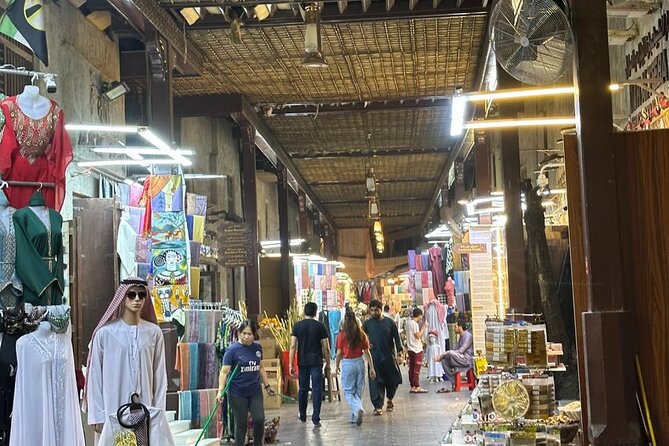
The Textile Souk is the first market stop and one of the best places to browse without the pressure of high-value jewelry shopping. Shops display colorful fabrics, shawls, embroidery, and other textile goods from different parts of the world.
You get about 20 minutes here. That is enough to look around and perhaps buy a small souvenir, but it is not a relaxed afternoon of shopping. If you already know what you want, tell your guide. If you are only browsing, keep your hands free and watch your time.
Bargaining is part of the experience. The listed prices are not necessarily the final prices, so ask politely and compare before buying. A guide can help you understand the process, though you should still make your own decision about quality and price. One guide, Mansoor Ali, was praised for helping secure a good jewelry price later in the route, but you should not assume every purchase will produce a special discount.
The Textile Souk also prepares you for the rhythm of Dubai’s traditional markets. Shopkeepers may invite you to look at fabrics or souvenirs. A firm but friendly no is enough if you are not interested.
Other places to shop around Dubai:
- Dubai Half-Day City Tour with Visit to Dubai Gold Souk
★ 4.0 · 1,741 reviews - Dubai Miracle Garden and Global Village Shopping Tour
★ 5.0 · 107 reviews - Old Dubai Gold Souk and Water Taxi
★ 4.0 · 26 reviews - Dubai: Magic & Secret new Shopping Tour
★ 5.0 · 15 reviews
Crossing Dubai Creek by abra
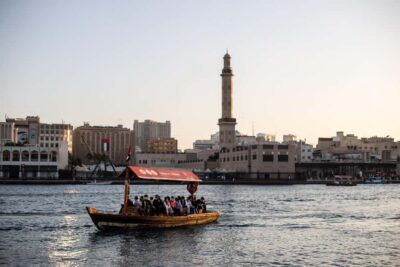
At Bur Dubai Abra Station, you board a traditional wooden ferry for the trip across Dubai Creek to Deira. The crossing takes about 10 minutes in the tour schedule, including the boarding and short ride.
This is not a luxury cruise, and that is precisely why it works. The abra is a simple public boat, used to connect the two sides of the creek. You get a direct look at the waterway that helped make Dubai a trading center.
The ride is also a welcome break from walking. Look back toward Bur Dubai as you cross, then watch the shoreline of Deira come closer. The view is less about grand sightseeing and more about seeing the city from the same practical route used by people moving between the old districts.
The tour includes bottled water, coffee or tea, and snacks. The experience also mentions dates, chocolates, dried fruits, nuts, and oil perfumes during the creek portion. Treat these as tasting and shopping opportunities, not as a full meal. If you need lunch, arrange it separately.
The Spice Souk and the smell of Deira
After the abra ride, the Spice Souk brings a sensory change. The air carries the smell of spices, and stalls display ingredients used in regional cooking and trade.
You have about 20 minutes here. A guide can help explain what you are seeing and how to compare products, which is useful when several stalls carry similar items. You may find saffron, dried goods, herbs, and spice blends, but the specific selection and prices can change from shop to shop.
This is another place to bargain. Ask about the product, price, and amount before agreeing to buy. If you do not cook or have room in your luggage, you can enjoy the aromas and displays without purchasing anything.
I like this stop because it gives the market route a practical purpose. The souk is not just a backdrop for photographs. It shows how food, trade, and daily shopping fit into the old city.
Finishing at the Gold Souk

The final stop is Dubai’s Gold Souk, one of the largest gold markets in the world. Its many jewelry shops offer a wide range of pieces, from simple items to elaborate designs.
You spend about 20 minutes here, so you should not expect to examine every shop. The value of the stop is the scale of the market and the chance to see how gold is displayed in Dubai. Even if you do not buy anything, the window displays make this a memorable finish.
If you plan to purchase jewelry, go slowly. Ask about weight, workmanship, the purity of the gold, and the making charge. A guide may help you compare offers or explain the bargaining process, but you should decide what you are comfortable spending. The tour is not a guarantee of a bargain, and a short stop is not enough for a major purchase unless you already know what you want.
The tour ends at the Gold Souk in Deira. Your guide can help you find the nearest metro station or a taxi stop, which is useful because the route does not return you to Al Fahidi.
How much value do you get for $86.53?
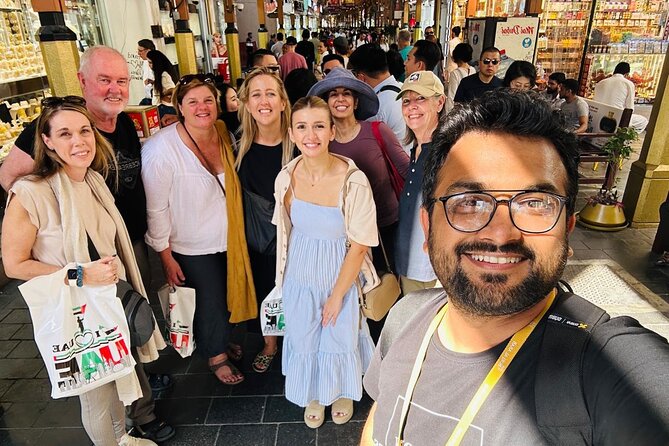
At $86.53 per person, the tour makes sense when you value private guiding and local explanation. You are not simply paying for the abra ride or entry to markets. You are paying for someone to connect the fort, neighborhood, temple, creek, and souks into one clear story.
The private format is important for couples, families, and solo visitors. A solo visitor can use the time for an ongoing conversation about culture and daily life. Families may appreciate help with photographs and directions. Couples can request a late afternoon start, as one reported arrangement did, and finish near dinner time.
The price is harder to justify if you are a confident independent visitor who already understands Dubai’s transport system and is mainly interested in shopping. The historical neighborhood, creek, and souks are not difficult to reach on your own. In that case, the tour’s value comes down to whether you want interpretation and company.
The listed experience can be booked with group discounts, but it is described as a private activity for your own group. Ask about the final group price before booking if more than one person is joining.
Timing, walking, and what to bring
The tour lasts approximately 2 to 3 hours. The scheduled stops add up to a compact visit, with 20 minutes at Al Fahidi, 10 minutes at the temple, 20 minutes at the Textile Souk, 10 minutes for the abra crossing, and 20 minutes each at the Spice and Gold Souks.
You will walk through narrow lanes and markets, then board a small public ferry. Wear comfortable shoes and bring water, even though bottled water is included. Loose, respectful clothing is a sensible choice for the historic quarter and temple stop.
Heat can affect your enjoyment. A 5 p.m. starting time worked well for one arrangement because it allowed the walking tour to take place in cooler weather before dinner. If your schedule allows, ask about a late afternoon departure. The exact start time should be confirmed when you book.
The tour is near public transportation, and most people can participate. The route ends in Deira, not at the original meeting point, so keep that in mind when planning your next stop.
The guide can shape the whole experience
This tour depends heavily on the person leading it. The strongest guide style here is conversational: clear explanations, answers to questions, help with photographs, and useful advice for moving around Dubai afterward.
Tamur was praised for stories about the city and culture, as well as thoughtful help for a first day in Dubai. Sarfaraz was noted for detailed information and for making a solo visit feel like a real conversation. Mansoor Ali was described as friendly and helpful at the historic sites and souks.
Those names are useful when checking your booking, but a particular guide may not always be available. The key thing to request is the kind of tour you want. Tell the guide if you prefer history, religious sites, architecture, food, shopping, or practical city advice.
Who should book this Old Dubai tour?
I would recommend it to first-time visitors who want an introduction to Dubai beyond skyscrapers and malls. It also suits a short Dubai stopover, since the route covers several districts and ends near a useful transport area.
Families may like the variety. The fort, temple, boat ride, markets, snacks, and jewelry displays give children and adults different things to notice. Solo visitors can benefit from the private guide because the experience leaves room for questions rather than forcing you into a fixed group conversation.
I would be more cautious if you dislike shopping stops or sales conversations. The Textile, Spice, and Gold Souks are central to the route, and bargaining is part of the experience. This is also not the right choice if you want a slow museum visit, a long food tour, or a full-day history program.
Should you book it?
Book this tour if you want a short private introduction to Old Dubai with a guide who can explain the setting and help you navigate the souks. The abra crossing, Al Fahidi lanes, Shiva Temple, and three markets create a useful first look at the city’s older side.
Skip it if you mainly want the cheapest possible creek crossing and market visit. You can explore independently for less. At $86.53, the tour earns its price through personal attention, cultural context, shopping guidance, and the convenience of linking Bur Dubai and Deira in one well-organized walk.
Free cancellation is available up to 24 hours before the start time. Cancellations made within 24 hours are not refunded, so choose your departure time carefully.
FAQ
How long does the Dubai Old Town walking tour last?
The tour lasts approximately 2 to 3 hours.
How much does the tour cost?
The listed price is $86.53 per person. Group discounts may be available.
Is the tour private?
Yes. The activity is private, so only your group participates.
Where does the tour start?
It starts at Local House Restaurant, 65 Al Fahidi Street, in the Al Fahidi area of Bur Dubai.
Where does the tour end?
The tour ends at the Gold Souk in Deira. The guide can assist with directions to the nearest metro station or taxi stop.
Is the abra ride included?
Yes. A traditional abra ride across Dubai Creek is included.
Which markets does the tour visit?
The route includes the Textile Souk, Spice Souk, and Gold Souk.
What is included besides the guide and boat ride?
The tour includes bottled water, coffee or tea, and snacks. Dates, chocolates, dried fruits, nuts, and oil perfumes are also part of the experience described.
Can I cancel for a full refund?
Yes, if you cancel at least 24 hours before the experience start time. Cancellations made less than 24 hours before the start time are not refunded.
More walking tours elsewhere in the UAE
- Historic Old Dubai & Souk Small Group Walking Tour
★ 5.0 · 156 reviews - Dubai Souks, Food & Culture Walking Tour
★ 5.0 · 132 reviews - Private Old Dubai Walking Tour: Forts, Souks, and Boats
★ 5.0 · 116 reviews - Dubai: Private Old Town, Heritage & Souks Walking Tour
★ 4.9 · 102 reviews
Just added in Dubai
- Dubai Walking Tour★ 5.0 · 7 reviews
- Dubai Unique Sunset Combo: 4WD and Quad Bike Red Dunes Safari★ 5.0 · 54 reviews
- Dubai Wild Wadi Water Park Admission Ticket★ 4.5 · 9 reviews
- Dubai Secret Food Tours with Access to Burj Khalifa bar★ 5.0 · 49 reviews
- Dubai Walking Tour “Fahidi Area, Dubai Museum, Souks”★ 5.0 · 13 reviews
- Dubai: Unique SUNRISE 4WD Red Dunes Safari★ 5.0 · 68 reviews
- Dubai: Unique SUNSET Buggy Red Dunes Safari★ 5.0 · 32 reviews
- Half-Day Private City Tour with Magical Dubai Frame Visit★ 4.5 · 9 reviews
Old Dubai, Souks & Abra Rides, compared.
Old Town, Creek, Museums, Souks, & Street Food Tour
Read our review →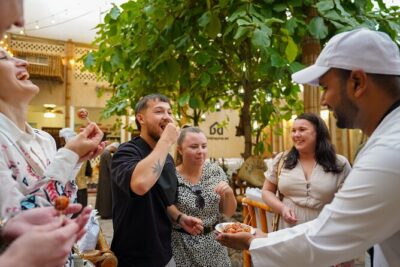
Old Town, Souks, Street Food, Guided Tour & Abra Ride
Read our review →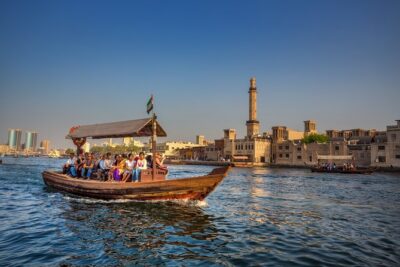
Frame Tickets, Creek, Souks & Blue Mosque Guided Tour
Read our review →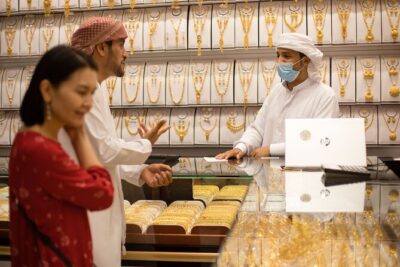
Dubai Aladdin Tour: Souks, Creek, Old Dubai and Tastings
Read our review →
Half-Day City Tour with Blue Mosque, Creek, and Souks
Read our review →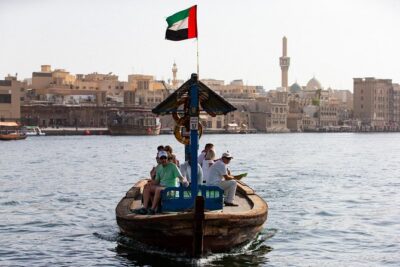
Dubai Half-Day City Tour with Visit to Dubai Gold Souk
Read our review →
Old Town, Street Food, Creek, Souks, & Emirati House
Read our review →
Dubai City Tour: Old & New Dubai Abra Ride, Palm Island, Souks
Read our review →Browse the lists this tour appears in