
Reviewed · OLD DUBAI, SOUKS & ABRA RIDES
Historic Forts, Boats and Pearls of Old Dubai Walking Tour
Old Dubai is at its best when you leave the skyscrapers behind and follow the narrow lanes around Al Fahidi and Bastakiya. This two-hour walk links old homes, museums, markets, tastings, and a short abra ride across Dubai Creek, giving you a useful first picture of the city before you spend time in modern Dubai.
I like the way the tour connects Dubai’s pearl and trading past with the living souks you can still visit today. I also like the coffee, dates, chocolate, and dried-fruit tastings, since they turn a history lesson into something you can taste. The main drawback is pace: two hours is efficient, but it leaves little time for lingering in the markets or browsing every museum.
Key points to know before you book
- Al Fahidi and Bastakiya first: Walk through Dubai’s oldest residential quarter, with heritage houses and narrow lanes.
- An abra crossing is included: Ride a traditional wooden boat across Dubai Creek rather than viewing the water only from the shore.
- Three major souks are covered: See the textile, spice, and gold markets, with perfume shops and local trading stories along the way.
- Food and drink add context: Taste Arabic coffee and dates, plus chocolates and dried fruit at the Spice Souk.
- Guides shape the experience: Pri, Dana, Sameh, and other English-speaking guides have been praised for warm delivery, cultural detail, and practical advice.
- The tour is short and active: Wear comfortable shoes, expect a walking-focused outing, and note that it is not suitable for wheelchair users.
Why this is a smart first look at Dubai
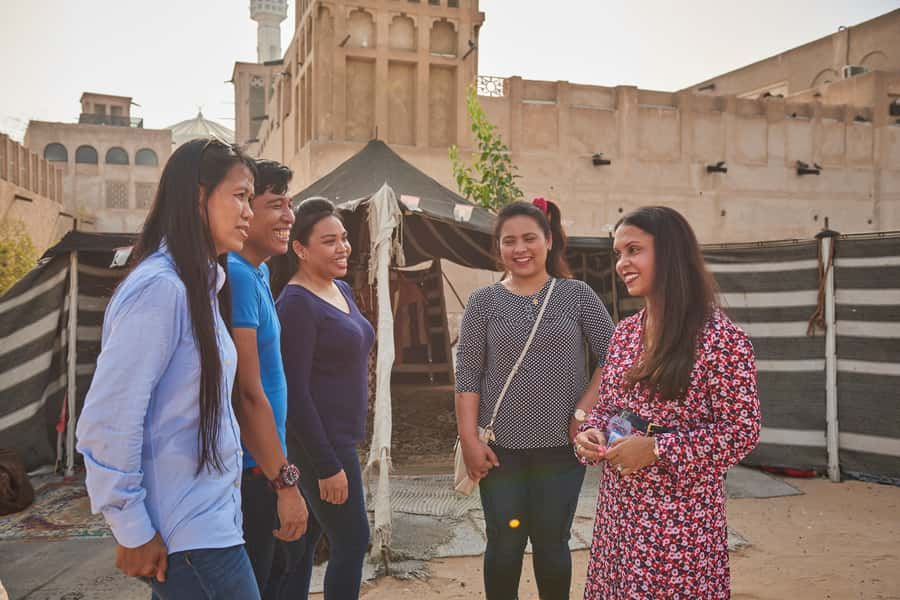
Dubai can make you think only of glass towers, shopping malls, and huge hotels. This walk corrects that picture quickly. It takes you into the part of the city built around the Creek, where trade, boats, pearl work, spices, textiles, and family homes shaped daily life long before the modern skyline arrived.
The tour is especially useful on your first day. You get basic context about Dubai’s history, culture, food, etiquette, politics, and population, then see those subjects in real places. That makes later visits to the Gold Souk, museums, or Creek districts easier to understand.
You meet outside Arabian Tea House on Al Fahidi Street in Bastakiya, opposite the Musalla Post Office. There is no hotel pickup, so allow time to reach the meeting point yourself. The location is central to the Old Dubai portion of the walk, and starting here saves you from a long transfer before the tour begins.
The guide speaks English and is described as a certified premium guide with more than 1,200 hours of experience and a record of five-star ratings. Individual guides have included Pri, Dana, Sameh, and others. The exact guide depends on the date, but the experience is built around explanation rather than simply leading you from one photo stop to the next.
Other trips through the old quarter in Dubai:
- Dubai: Old Town, Creek, Museums, Souks, & Street Food Tour
★ 4.8 · 10,816 reviews - Dubai: Old Town, Souks, Street Food, Guided Tour & Abra Ride
★ 4.9 · 7,170 reviews - Dubai: Frame Tickets, Creek, Souks & Blue Mosque Guided Tour
★ 4.8 · 5,980 reviews
Bastakiya’s lanes and old homes
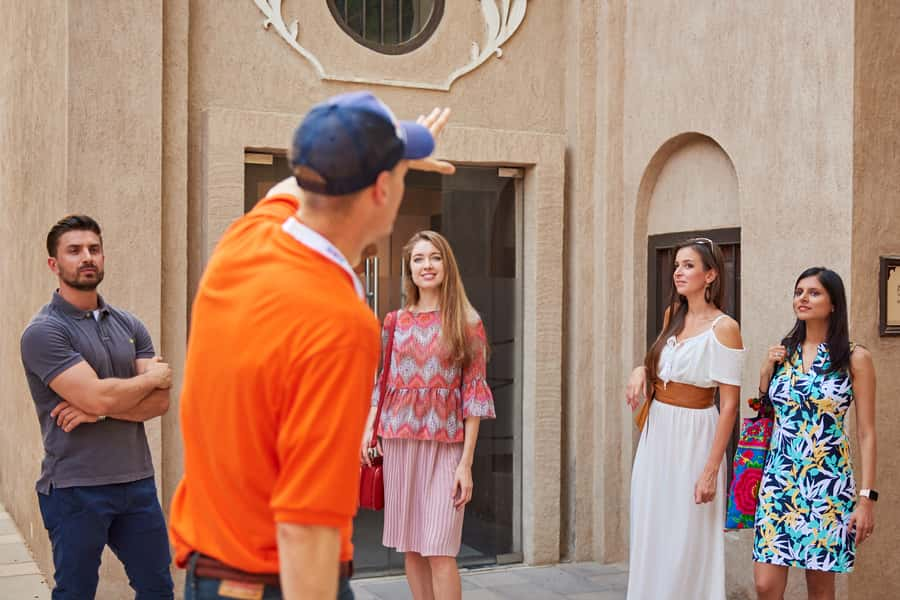
The opening walk through Al Bastakiya, also called the Al Fahidi Historical Neighborhood, is the part that gives the tour its sense of place. The old residential quarter has heritage houses, shaded lanes, courtyards, and traditional architectural details that feel far removed from Dubai’s newer districts.
Your guide explains what early life was like in this desert trading town. The stories cover local homes, customs, trade, food, and the role of the Creek. You also hear about pearl diving and trading, an important part of Dubai’s economy before oil and large-scale development changed the city.
I like this section because it provides a human scale. You are not just told that Dubai grew from trade. You walk through the type of neighborhood where merchants and families lived, then connect that setting with the markets and waterway that made commerce possible.
The narrow lanes are also a practical reason to wear comfortable shoes. This is an active walking tour, not a coach trip with short stops. The route is manageable in two hours, but you should not expect a slow architectural photography session. The guide needs to keep the group moving to cover the fort, museums, souks, and boat ride.
Al Fahidi Fort and the museum stops
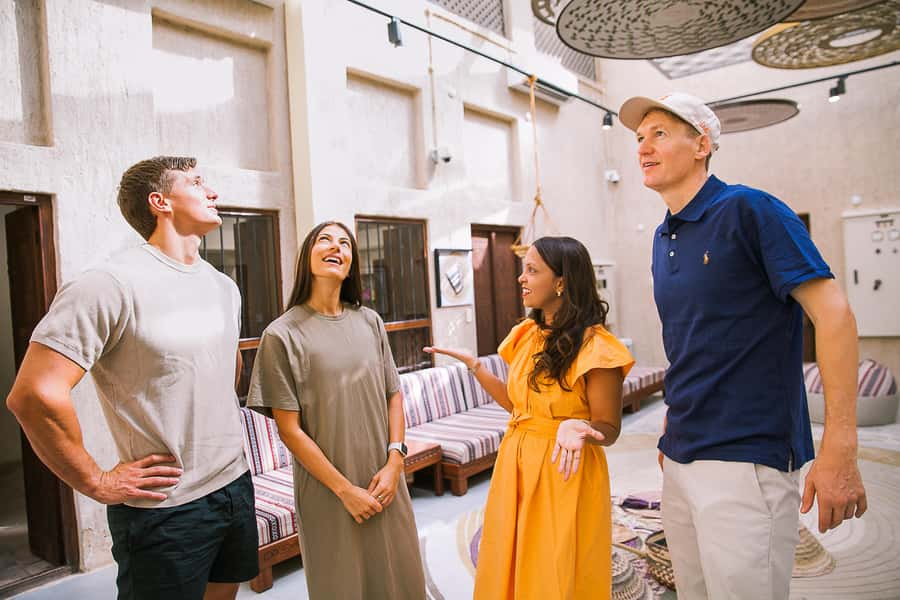
Al Fahidi Fort is one of the main historic sights on the route, and museum tickets are included. That matters because you can see more than the outside of the building and get a clearer account of Dubai before its rapid modern growth.
The museum portion helps place the surrounding neighborhood in time. You learn about the city’s earlier economy and the transition from a small coastal trading center to a global destination. The walk also includes museum visits beyond the fort, with the Coffee Museum specifically mentioned in the tour experience.
The museum stops are best treated as focused introductions rather than long, independent visits. Two hours does not allow for reading every display in detail. If you enjoy museums and want to study each object, you may want to return later on your own. If you want a useful overview before exploring independently, the short format works well.
This is also where a good guide makes a real difference. The strongest reported experiences describe guides who explain timelines clearly, answer questions, and connect local history with the wider region. Dana, in particular, has been praised for presenting many small details in an orderly way, while Pri was noted for patience and a pleasant manner.
Coffee, dates, and the taste of local custom
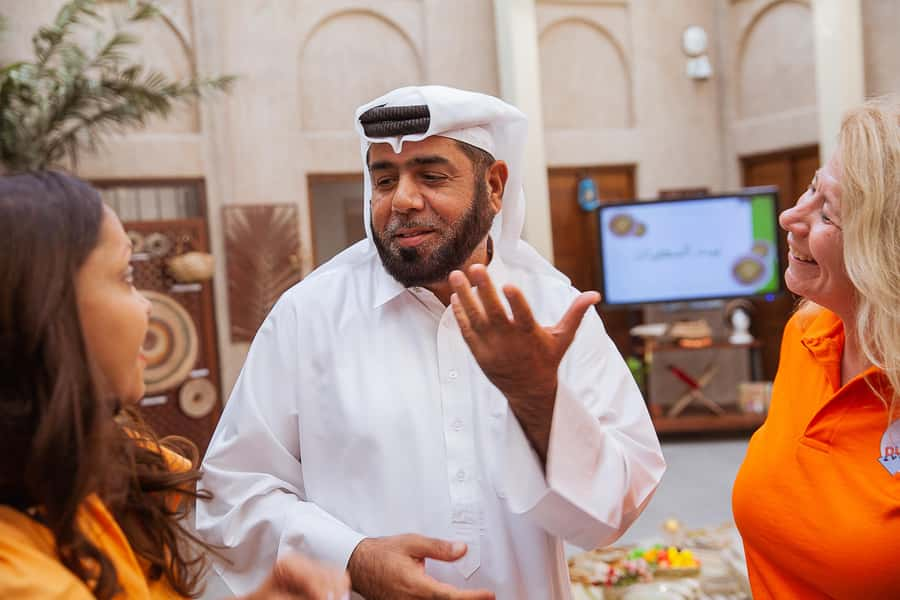
The included coffee and dates tasting is a small feature, but it adds welcome texture to the walk. Arabic coffee and dates are tied to hospitality, so this is not just a snack break. It gives your guide a natural opening to discuss etiquette and the role of food in local life.
At the Spice Souk, you also taste chocolates and dried fruit. These tastings help you pay closer attention to the colors, smells, and displays around you. You are not simply passing through a market while listening to a speech. You get a chance to connect the products with the trading culture that helped shape the district.
Do not expect a full meal. The supplied details describe tastings, not lunch, and the tour lasts only two hours. Eat beforehand if you need something substantial, particularly if you are joining at a busy time of day.
The food stops also make the tour appealing to people who find a purely historical walk too dry. The guide can discuss food, customs, and daily life alongside dates, coffee, spices, and dried fruit. That mix keeps the experience grounded in ordinary life.
Other guided walks in Dubai:
- Historic Old Dubai & Souk Small Group Walking Tour
★ 5.0 · 156 reviews - Dubai Souks, Food & Culture Walking Tour
★ 5.0 · 132 reviews - Private Old Dubai Walking Tour: Forts, Souks, and Boats
★ 5.0 · 116 reviews - Dubai: Private Old Town, Heritage & Souks Walking Tour
★ 4.9 · 102 reviews
The textile, spice, and gold souks
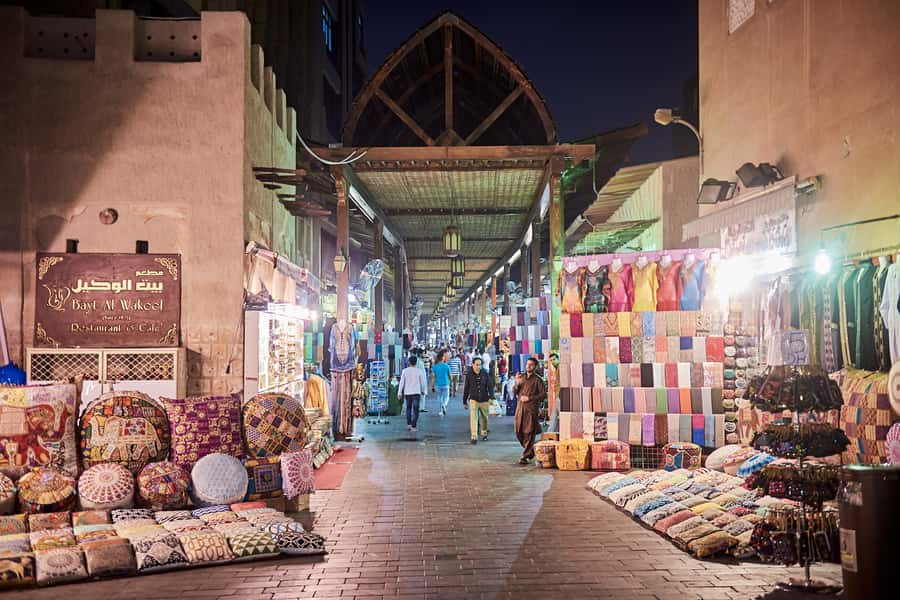
The tour aims to cover Dubai’s three major souks: textile, spice, and gold. It also passes through perfume shops and gives you time in the market areas. Each section offers a different view of Dubai’s trading identity.
The Textile Souk is a good place to see fabrics and traditional clothing materials. The guide can help you understand how the market fits into the wider commercial life of Old Dubai. If you are shopping, you will need to manage your own time carefully. The group must continue to the next stop, so this is not designed as a long buying session.
The Spice Souk is the most sensory part of the walk. You can expect colorful displays, strong aromas, and products arranged for both local use and visitors. The included chocolates and dried-fruit tasting belongs here, giving you an easy way to compare what is displayed with what is offered to taste.
The Gold Souk shows another side of Dubai’s market culture. The tour gives you an introduction to the area and its place in the city’s trading story. You can browse and take photographs where permitted, but a short guided route cannot cover every shop or explain every item in depth.
The advantage of seeing all three markets with a guide is orientation. Old Dubai’s souks can feel confusing at first, especially when shopkeepers are calling out and lanes change character from one section to another. Your guide offers context and practical tips, including local customs and advice about places to eat or visit afterward.
The tradeoff is that market shopping and guided sightseeing compete for your attention. If you want to bargain at length, compare gold pieces, or buy several textiles, return after the tour. Use the walk to learn where things are and how the markets fit together.
Crossing Dubai Creek by abra
The traditional abra ride is the tour’s most memorable change of pace. After walking through old streets and markets, you board a wooden boat and cross Dubai Creek, the waterway at the heart of Old Dubai.
The crossing is brief, but its value is not measured in minutes. From the water, you see the district from the same route that supported old trade and everyday transport. The boat ride also gives your feet a rest and breaks up the walking.
Several experiences singled out the abra as a memorable part of the outing. That makes sense: it is a simple local ride, not a polished sightseeing cruise, and that is exactly why it fits this tour. You are using a traditional form of transport as part of the city’s present-day life.
Bring your camera, but pay attention to the guide’s explanation as well. The Creek is not merely a scenic backdrop. It is the thread connecting the fort, homes, souks, boats, and trading history covered during the walk.
What the guides add to the two-hour format
The best part of this tour is likely to be the guide’s storytelling. The route itself is worthwhile, but the same streets can feel like a collection of old buildings without explanation. A strong guide links the sites together and keeps the pace lively.
Guides have been praised for warm humor, clear timelines, positive energy, and a conversational style. Pri was described as patient and pleasant. Dana received especially strong praise for handling a late start with good humor while still keeping the group engaged. Sameh was also singled out for an excellent presentation.
You can expect more than dates and architectural facts. The walk covers local etiquette, food, culture, history, myths, and the growth of Dubai and the UAE. One particularly useful feature is the practical advice shared around restaurants, public transport, and other areas worth seeing after the tour.
The guide may also help you understand what you are seeing in the markets. Connections with sellers and local workers can make the souks feel less like a display arranged for sightseeing and more like part of a working district.
Guide quality can vary by individual, as it does on any guided tour. The consistently strong ratings suggest that the operator places real weight on guide performance, but you should still choose this experience because you want interpretation and company, not because you expect a private tour tailored only to you.
Price, timing, and who gets the best value
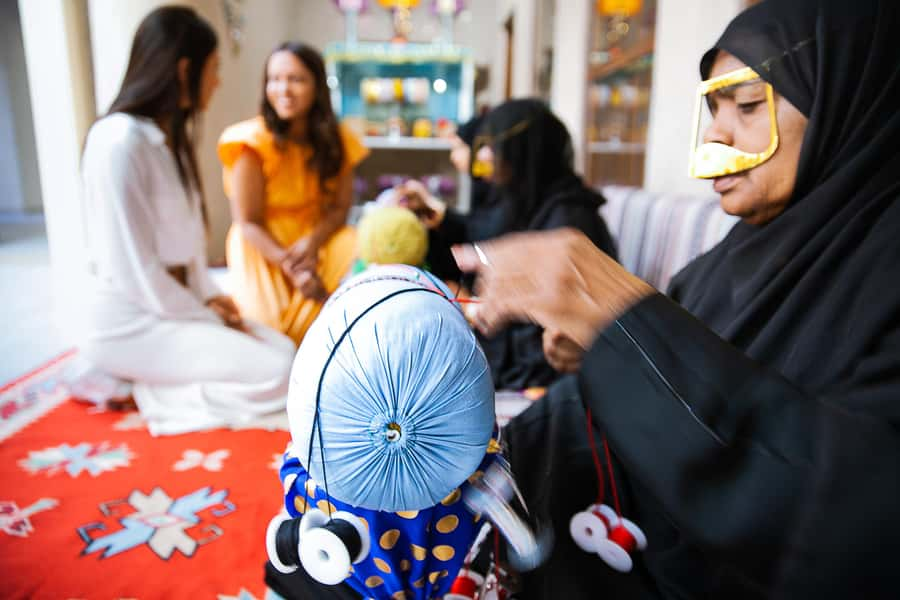
The cost is $54 per person for two hours. That is not the cheapest way to see Old Dubai, especially if your only goal is to walk through the souks and take an abra independently. The value improves if you want one organized route that includes a guide, museum tickets, tastings, and the boat crossing.
You are paying for structure and context. In a short visit, the guide helps you cover several districts without wasting time figuring out the route. You also receive a basic introduction to Dubai’s culture and past, which can save you from treating each market and museum as an unrelated stop.
This tour suits:
- First-time visitors who want to understand Dubai beyond its modern center
- People with a short stay who need a compact introduction
- Families and couples who enjoy markets, food samples, and local transport
- History and culture fans who prefer stories to a simple photo walk
- Visitors who want practical advice for exploring Old Dubai afterward
It may not suit you if you dislike walking, want extensive shopping time, or need step-free access. The experience is not suitable for wheelchair users, and comfortable clothes and shoes are specifically recommended.
The two-hour duration is both its strength and its limit. It is easy to fit into a busy Dubai schedule, but it is not long enough for a leisurely market expedition. Plan to return to the souks later if shopping is a major goal.
Cancellation is flexible up to 24 hours before the start for a full refund, and you can reserve now and pay later. Those policies are useful if your Dubai schedule is still changing, but the main booking decision should come down to whether guided context is worth the price for you.
Should you book Historic Forts, Boats and Pearls of Old Dubai?
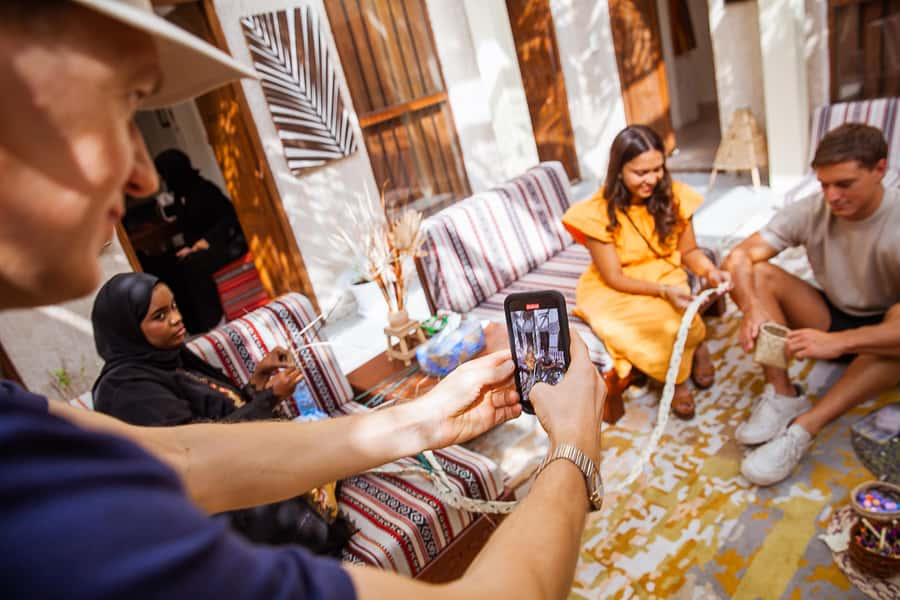
Book it if you want Dubai’s older story in one efficient outing. The combination of Bastakiya, Al Fahidi Fort, museums, coffee and dates, three souks, and an abra ride gives you a solid first orientation to the Creek district.
I would especially recommend it for a first or second day in Dubai. You will finish with a better sense of where the old city is, how trade shaped it, and which places deserve a longer return visit.
Skip it if you want a slow shopping trip or a private deep look at one museum. The route moves quickly, and the walking, market crowds, and fixed schedule will not suit everyone. For most visitors seeking an authentic counterpoint to Dubai’s towers, though, $54 buys a useful, well-shaped introduction rather than just a list of stops.
FAQ
How long does the Old Dubai walking tour last?
The tour lasts two hours.
Where does the tour meet?
Meet your English-speaking guide outside Arabian Tea House on Al Fahidi Street in Bastakiya, opposite the Musalla Post Office in Bur Dubai.
Is hotel pickup included?
No. Hotel pickup and drop-off are not included.
Which languages are available?
The tour is conducted in English with a live English-speaking guide.
Is the abra ride included?
Yes. The tour includes a traditional wooden abra ride across Dubai Creek.
Which markets does the tour visit?
The route covers the textile, spice, and gold souks. It also includes perfume areas.
Are museum tickets included?
Yes. Museum tickets are included in the tour.
What should I bring, and is the tour wheelchair accessible?
Bring comfortable shoes and comfortable clothes. The tour is not suitable for wheelchair users.
More history and heritage in Dubai
- Dubai Evening Heritage Safari by Vintage G Class Al Marmoom Oasis
★ 5.0 · 1,500 reviews - Dubai Camel Desert Safari, Traditional Meal & Heritage Activities
★ 5.0 · 937 reviews - Dubai: Heritage Safari in Vintage Land Rover with Dinner
★ 4.8 · 861 reviews - Dubai: Historic City Highlights Day Trip
★ 4.4 · 807 reviews
Just added in Dubai
- Dubai Walking Tour★ 5.0 · 7 reviews
- Dubai Unique Sunset Combo: 4WD and Quad Bike Red Dunes Safari★ 5.0 · 54 reviews
- Dubai Wild Wadi Water Park Admission Ticket★ 4.5 · 9 reviews
- Dubai Secret Food Tours with Access to Burj Khalifa bar★ 5.0 · 49 reviews
- Dubai Walking Tour “Fahidi Area, Dubai Museum, Souks”★ 5.0 · 13 reviews
- Dubai: Unique SUNRISE 4WD Red Dunes Safari★ 5.0 · 68 reviews
- Dubai: Unique SUNSET Buggy Red Dunes Safari★ 5.0 · 32 reviews
- Half-Day Private City Tour with Magical Dubai Frame Visit★ 4.5 · 9 reviews
Old Dubai, Souks & Abra Rides, compared.
Old Town, Creek, Museums, Souks, & Street Food Tour
Read our review →
Old Town, Souks, Street Food, Guided Tour & Abra Ride
Read our review →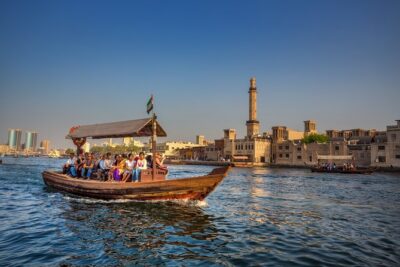
Frame Tickets, Creek, Souks & Blue Mosque Guided Tour
Read our review →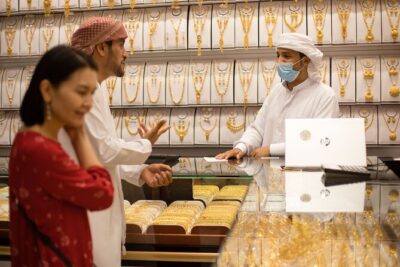
Dubai Aladdin Tour: Souks, Creek, Old Dubai and Tastings
Read our review →
Half-Day City Tour with Blue Mosque, Creek, and Souks
Read our review →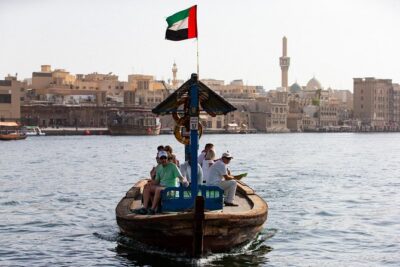
Dubai Half-Day City Tour with Visit to Dubai Gold Souk
Read our review →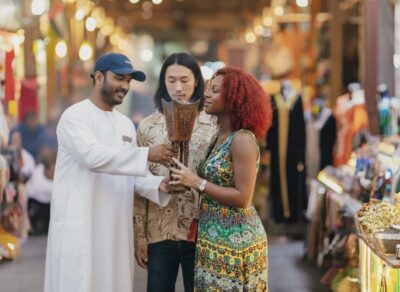
Old Town, Street Food, Creek, Souks, & Emirati House
Read our review →
Dubai City Tour: Old & New Dubai Abra Ride, Palm Island, Souks
Read our review →Browse the lists this tour appears in