
Reviewed · OLD DUBAI, SOUKS & ABRA RIDES
Dubai: Discover Dubai Old Town, Souks, Museum & Street Food
Dubai’s modern skyline gets the attention, but this tour takes you to the older city where the story began. In three hours, you’ll walk from Al Seef through Al Fahidi, pass old houses and mosques, sample local treats, and cross Dubai Creek by traditional abra before finishing at the Spice and Gold Souk.
I like the strong local focus and the useful route: you see museums, historic streets, markets, and the creek in one outing. I also like the guides’ personal approach. Hesham, in particular, makes a point of learning everyone’s name and connecting Dubai’s past with its rapid growth. The main drawback is the pace: three hours on foot, with time in hot, crowded market lanes, may feel tiring if you need frequent breaks.
Key points at a glance
- Al Fahidi in one compact walk: See old houses, Al Fahidi Fort, Al Bastakiya, the Coffee Museum area, and Dubai’s oldest mosque.
- A proper creek crossing: Ride a traditional abra from Bur Dubai to Deira instead of simply viewing the water from the shore.
- Food is part of the tour: Expect opportunities to taste street food, Arabic coffee, tea, fresh juice, and camel milk chocolate.
- Experienced English-speaking guides: Hesham receives especially strong praise for his storytelling and friendly way with groups. Abdullah is also noted for answering questions and keeping the group involved.
- A practical $16 introduction: At this price, the combination of guide, tastings, boat ride, and market walk offers good value for a first look at old Dubai.
- A one-way route: You finish at the Gold Souk, not back at Al Seef, so plan your onward transport from Deira.
Why this tour is a good antidote to Dubai’s skyscrapers
Dubai is easy to experience from air-conditioned malls, observation decks, and broad highways. This walk gives you a different city. The route follows narrow lanes, traditional houses, old trading areas, and the creek that helped Dubai grow from a small coastal settlement into a global business center.
I like that the experience does not focus on one museum or one market. Instead, you keep moving through connected parts of old Dubai. That helps you understand how the districts fit together. Al Seef provides a polished creekside starting point, Al Fahidi brings older architecture and cultural sights, and the souks show the commercial side of the historic city.
The price is a major part of the appeal. At $16 per person, you are paying less than many standard city walks while receiving a live English-speaking guide, an abra ride, several tastings, and help making sense of the markets. The value is strongest if this is your first visit to old Dubai and you want orientation before returning on your own.
This is not a quiet heritage walk. The souks can be busy, and the route includes standing, walking, browsing, and stopping for food. You should choose it for access to several experiences in one outing, not for a slow, private tour with long museum visits.
Other trips through the old quarter in Dubai:
- Dubai: Old Town, Creek, Museums, Souks, & Street Food Tour
★ 4.8 · 10,816 reviews - Dubai: Old Town, Souks, Street Food, Guided Tour & Abra Ride
★ 4.9 · 7,170 reviews - Dubai: Frame Tickets, Creek, Souks & Blue Mosque Guided Tour
★ 4.8 · 5,980 reviews
Starting at Al Seef beside Dubai Creek
The meeting point is Wokyo Noodle Bar, house number 10, near the Al Fahidi Abra Station in Al Seef. Al Seef is a practical starting point because it sits beside the creek and leads naturally toward the older Al Fahidi area.
Your guide introduces the route here, then begins with a walk through Al Seef. You have time to look around, take photographs, and get a first sense of the contrast between recreated heritage-style buildings and the older quarters nearby. The setting makes the transition clear: Dubai’s past is being presented in a modern visitor district, but the walk soon moves into streets with more historical character.
If you use the metro, Sharaf DG on the Green Line is the nearest stated station, followed by a short walk. Taxi passengers should give the driver the Al Fahidi Abra Station and Wokyo Noodle Bar details, since the meeting instructions use several versions of the place name. Free parking is also noted.
Arrive with comfortable shoes and some cash. Cash is useful for market purchases and extra snacks, even though the listed tastings are part of the experience.
Al Fahidi Fort and the old house lanes
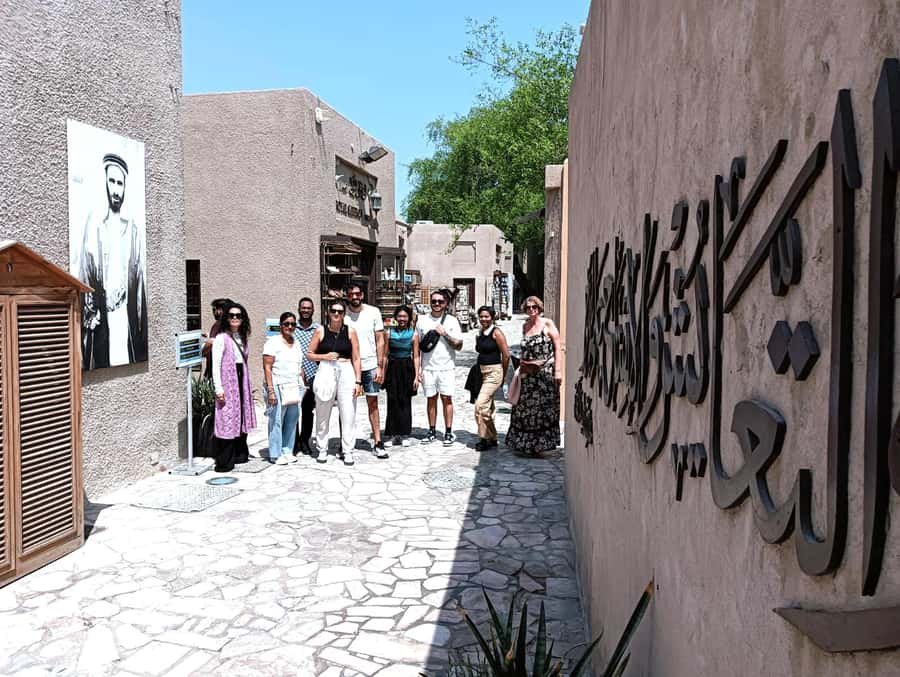
The next major stop is Al Fahidi Fort, where you pause for photographs and a guided explanation. The fort is one of the clearest reminders that Dubai’s story predates its towers and shopping centers. Your guide places the fort and nearby district within the wider development of the emirate.
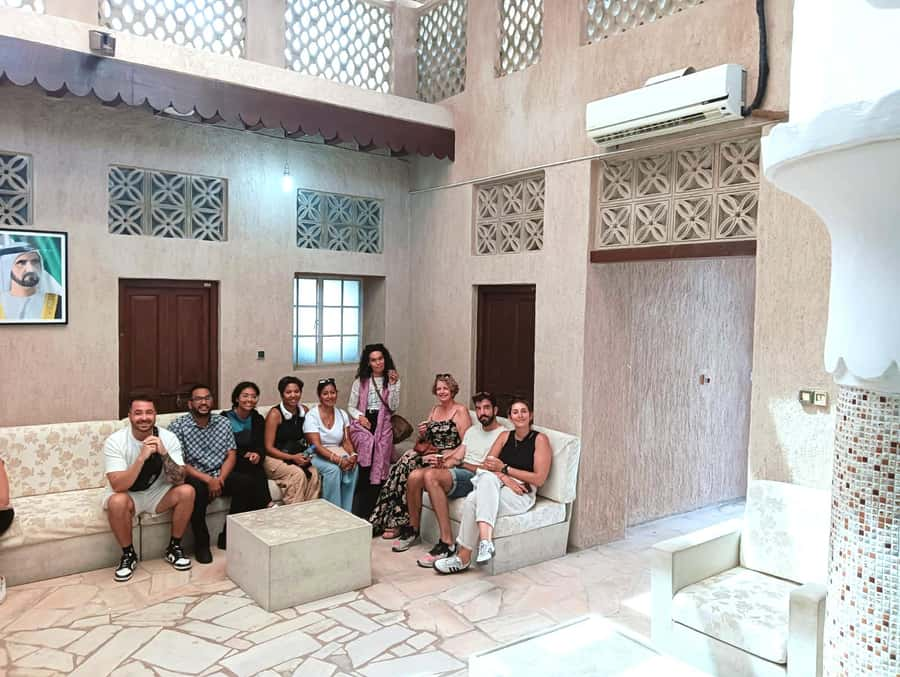
From there, the walk continues into Al Bastakiya, also known as the Al Fahidi historical neighborhood. This is where the architecture becomes the main attraction. You see old houses, shaded lanes, and traditional building details that offer a more human scale than the wide roads and large developments elsewhere in Dubai.
The tour also covers local currency and Emirati daily life, with access to the heritage area included. That detail matters because the neighborhood is not treated only as a photo stop. Your guide explains how people lived, traded, and organized community life in earlier Dubai.
Do not expect a long, formal museum session at every stop. The experience is built around walking and conversation. You will get a broad introduction to the area, with photographs and short explanations along the way. If you enjoy asking questions, guides such as Hesham and Abdullah appear to be a strong match. Hesham is praised for remembering names, keeping the group connected, and explaining the link between older traditions and modern Dubai. Abdullah is praised for answering questions and sharing information in a clear way.
Coffee, tea, and the oldest mosque
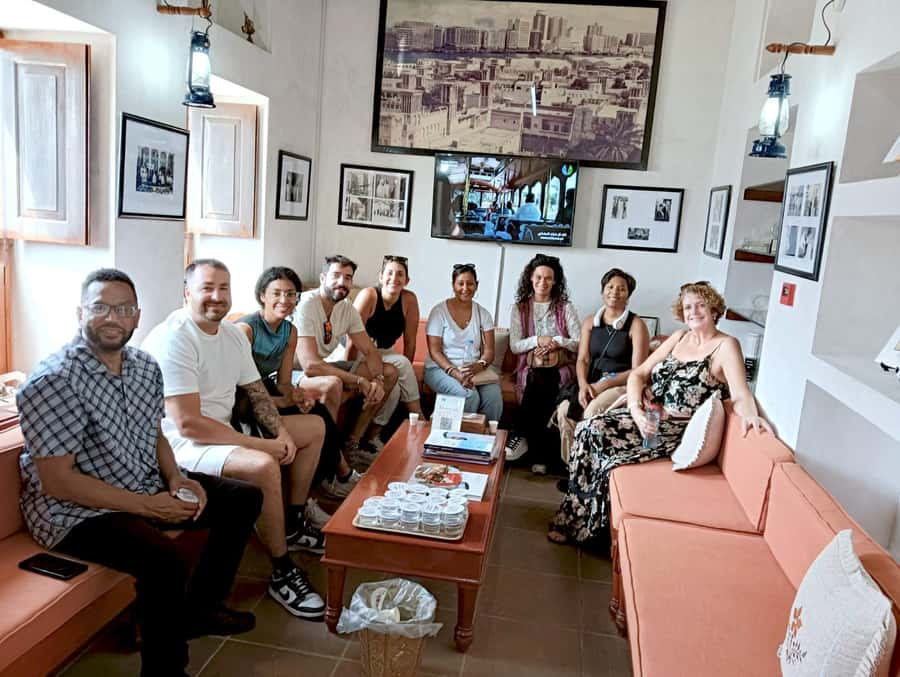
The route passes the Coffee Museum and the Arabian Tea House, a well-known restaurant associated with local food. These stops help give the walk some flavor, even when you are not sitting down for a full meal.
Arabic coffee and tea are included, along with water and refreshing beverages. You also have a chance to taste camel milk chocolate. These small tastings are useful because they break up the walking and introduce flavors that you might otherwise overlook in a city known for international dining.
The tour also passes Dubai’s oldest mosque. Your guide shares religious facts and explains the site respectfully. This is one of the places where a guide adds real value. From the street, a mosque can be easy to treat as just another building. A short explanation helps you understand its place in the neighborhood and in local life.
The food element is not designed as a full meal. Think of it as a series of tastes while you move through the district. You should still eat beforehand if you need a substantial lunch or dinner.
There is one important seasonal qualification. During Ramadan, street food, coffee, and tea are not provided. The rest of the walking route still gives you cultural and market experiences, but do not book this specifically for the tastings if you are visiting during the holy month.
A few more things to do in Dubai worth a look
- Dubai: Museum of the Future Admission Ticket
★ 4.3 · 21,464 reviews - From Dubai: Abu Dhabi Grand Mosque & Louvre Museum Full-Day
★ 4.8 · 6,227 reviews - Museum of the Future Tickets
★ 3.5 · 792 reviews - Museum of Illusions Entry Ticket
★ 4.3 · 778 reviews
The Grand Souk and the pleasure of browsing
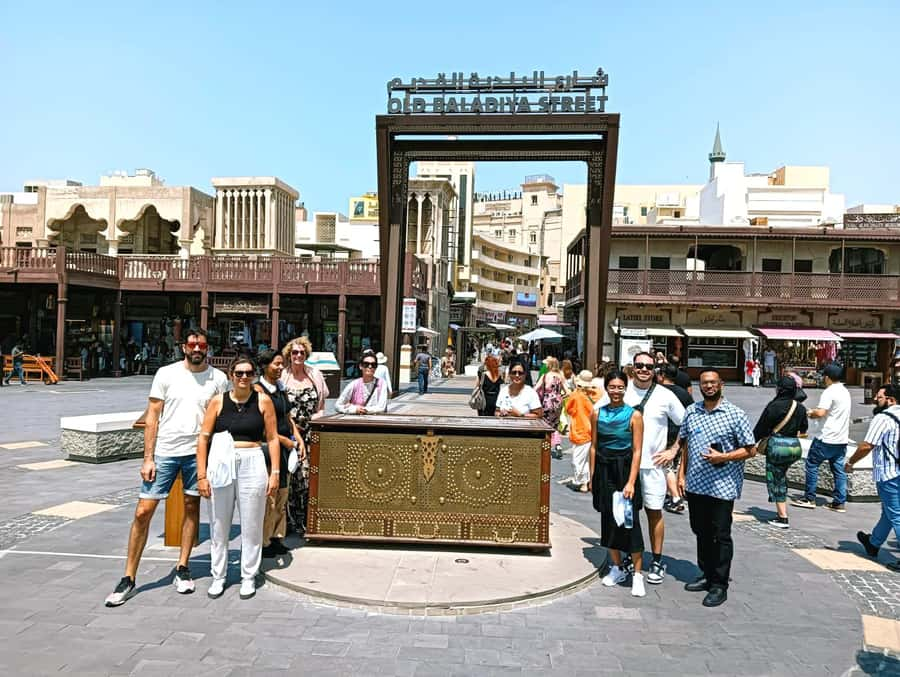
The walk continues through Al Souq Al Kabeer, or the Grand Souk. This is a good point to slow down and look at the shops, signs, displays, and movement around you. The tour includes free time for street food, tea, and camel milk chocolate, as well as shopping.
I like having free time built into the market portion. A guide can explain what you are seeing, but you also need a few minutes to browse at your own pace. You can ask about products, compare prices, and decide if you want to buy something rather than being rushed from one stop to the next.
Market shopping is part of the experience, but the tour does not promise special prices or a private shopping arrangement. Bring cash if you expect to purchase items. Keep your bargaining polite and remember that a market visit works best when you treat it as a cultural encounter, not only as a hunt for the cheapest souvenir.
The Grand Souk is also where the route begins to feel more commercial. That is not a flaw, but it is worth knowing. The early Al Fahidi streets focus on architecture and local life. The souk section has more shopkeepers, sales conversations, and products aimed at visitors.
Crossing Dubai Creek by traditional abra
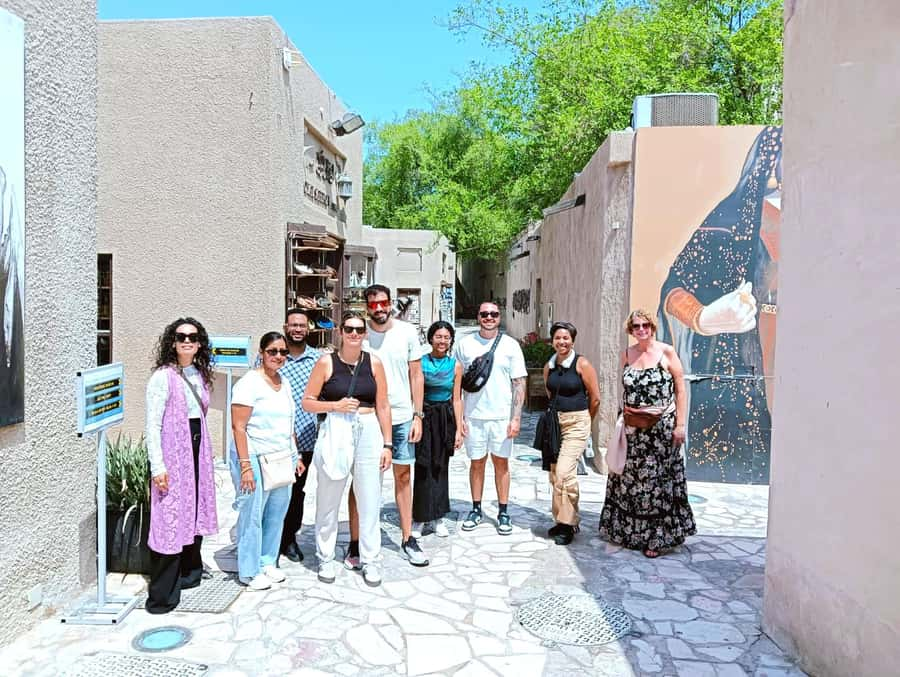
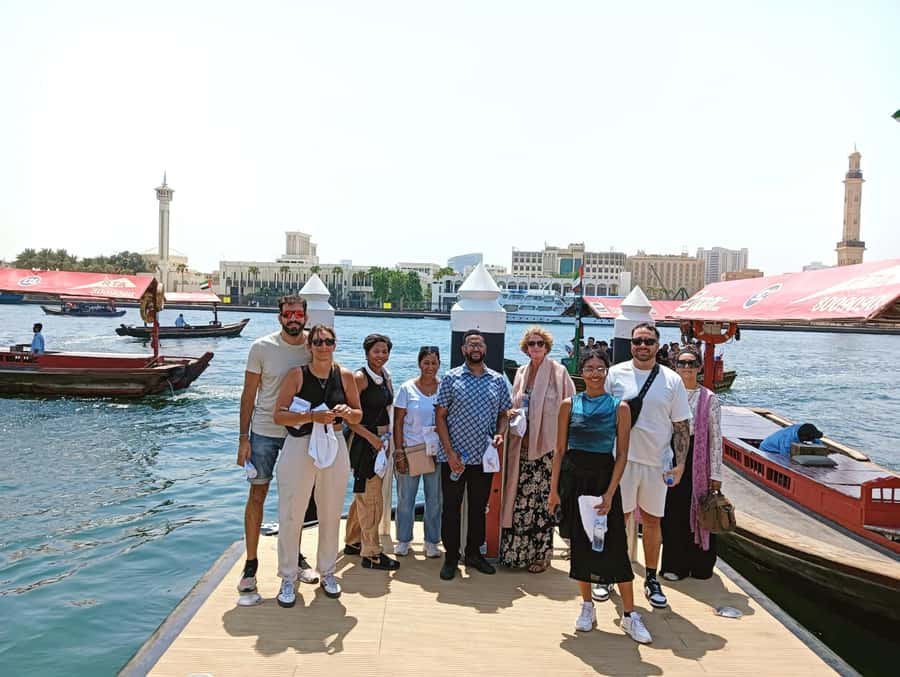
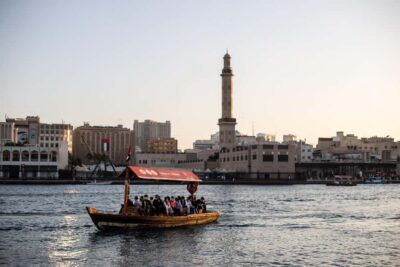
At Bur Dubai Abra Dock, you take a break and board a traditional abra. This short boat ride is one of the tour’s most memorable practical details because it turns the creek from scenery into transportation.
The crossing gives you a view of both sides of old Dubai from the water. You see the relationship between the neighborhoods more clearly, and the ride provides a welcome pause after walking through the historic quarter. It also explains why the creek remains central to the character of the area.
An abra is a simple traditional boat, not a sightseeing cruise with extensive narration. The value is in the crossing itself and in the view. Keep your belongings secure and be ready to board with the rest of the group.
The route is one-way. After crossing, you continue through Deira and finish at the Gold Souk. That makes the tour efficient, but it also means you should not expect to return to Al Seef with the guide. Once the walk ends, you can continue exploring Deira independently or arrange your own transport.
Spice Souk: aromas, displays, and buying time
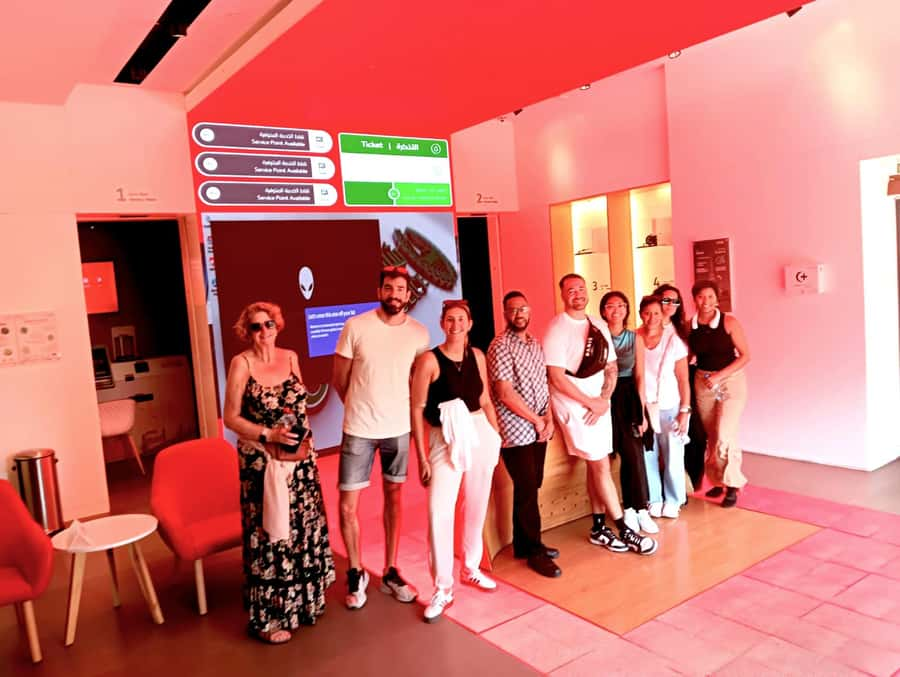
The first major Deira market stop is the Spice Souk. Here, the guide points out the market’s products and explains how the souks function as part of old Dubai’s trading culture. You will have a chance to look at spices and other goods arranged for browsing and purchase.
The Spice Souk is a sensory stop, but it is still a working market rather than a museum. Shopkeepers may invite you to look more closely or sample products. You are free to browse, and the guide can help provide context, but do not feel obliged to buy.
This is another place where cash and comfortable shoes make the visit easier. The lanes and shop displays reward curiosity, but the market can be tiring after several hours on foot. If you are sensitive to heat or need regular rest, keep your pace steady and use the tour’s breaks.
The best reason to visit with a guide is not simply finding the market. It is understanding how the Spice Souk fits into the older commercial life of Dubai and how it differs from the polished retail districts familiar from the city center.
Gold Souk: the grand finish in Deira
The final stop is Dubai’s Gold Souk, described as one of the largest gold markets in the world. The tour ends here after a guided visit and time to see the displays.
Even if you have no plan to buy jewelry, the Gold Souk is worth seeing for the scale and presentation of the shops. The displays are made to catch your eye, and the concentration of gold dealers gives the district a distinct character.
If you do want to shop, take your time. Compare items and ask questions before making a decision. The tour provides market access and guidance, but purchases are your responsibility. The guide can explain the setting, while you decide what fits your budget and interests.
Ending here works well because the Spice and Gold Souks are close enough to combine in one walk, yet different enough to feel like separate experiences. It also leaves you in Deira, an area where you can continue exploring after the formal tour ends.
What the guides add to the experience
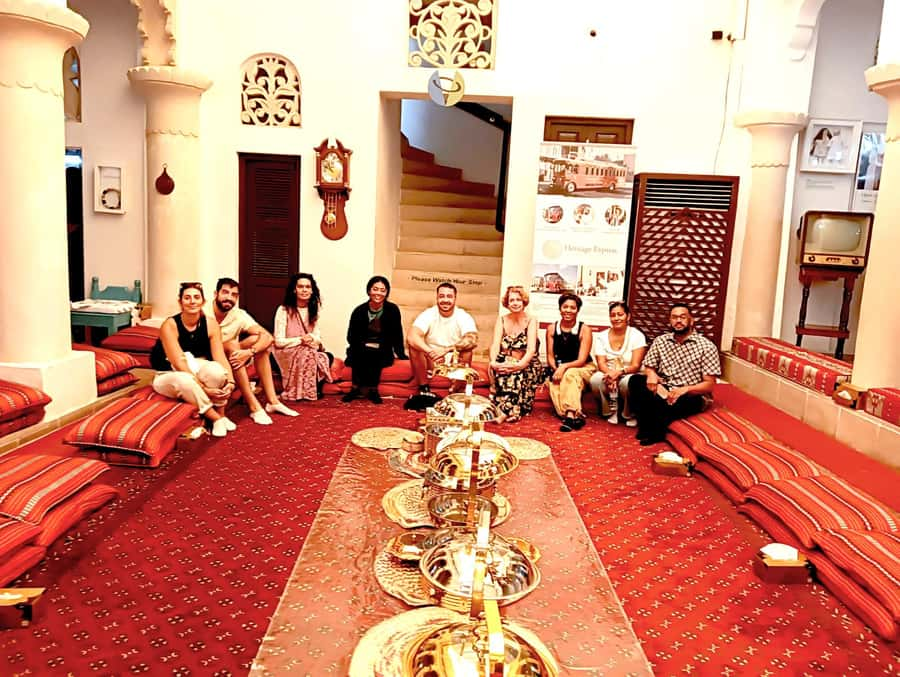
The strongest part of the tour is the guide-led storytelling. Hesham receives especially warm praise for learning everyone’s name, keeping the mood friendly, and explaining Emirati history, culture, and tradition with feeling. One account describes how he continued to help the group even while fasting during Ramadan.
That personal approach matters on a walking tour. You are not only following a route and taking pictures. You are hearing how Dubai changed, how local traditions fit into present-day life, and how the old quarters relate to the modern city.
Abdullah is also singled out for being informative and willing to answer questions. The group size is described as comfortable, though the available details do not give a fixed maximum. The tour is in English, so you should be comfortable listening and asking questions in English.
Guide quality can vary by departure, but the named guides give you a useful sense of what to value: clear explanations, attention to the group, and a willingness to connect the historical facts to people and daily life.
Practical value, comfort, and who should book
The $16 price is excellent if you want a structured introduction to old Dubai. You receive a three-hour guided walk, local tastings, Arabic coffee and tea, water, a traditional boat ride, and access to several important districts and markets.
The value drops slightly if you dislike walking, shopping areas, or group pacing. There is no hotel pickup or drop-off, so you must reach Al Seef yourself and make your own way onward from the Gold Souk. The route also includes outdoor walking in Dubai’s heat, so comfortable shoes are essential.
I would recommend this tour to first-time Dubai visitors, people with a short stay, and anyone who wants context before exploring the souks alone. It also suits returning visitors who have seen the modern city and want to understand its older neighborhoods.
It is less suitable for anyone seeking a private food tour, a long museum visit, or a fully accessible route. The activity is not considered suitable for people over 95 or for people with hearing impairments. The schedule includes walking, market lanes, and a boat crossing, so consider your mobility and communication needs before booking.
You can cancel up to 24 hours ahead for a full refund, and the reserve-now, pay-later option keeps your plans flexible. Those policies are useful if your Dubai schedule may change.
Should you book this old Dubai walk?
Book it if you want a low-cost, well-packed introduction to Al Fahidi, the creek, and Deira’s markets. The combination of old buildings, local food, a traditional boat ride, and two famous souks gives you much more range than a simple neighborhood stroll.
Skip it if you want a slow private tour or if you are visiting during Ramadan mainly for the food tastings. For most visitors, though, this is a practical way to see the older side of Dubai, especially when you have only a few hours and want a guide such as Hesham or Abdullah to explain what you are seeing.
FAQ
How long does the Dubai old town tour last?
The tour lasts three hours.
What language is the tour conducted in?
The live tour guide speaks English.
Where does the tour begin?
Meet at Wokyo Noodle Bar, house number 10, near Al Fahidi Abra Station in Al Seef beside Dubai Creek.
Where does the tour finish?
The tour finishes at Dubai Gold Souk.
Does the tour include an abra boat ride?
Yes. A traditional abra crossing from the Bur Dubai side of the creek to the Spice and Gold Souk area is included.
What food and drinks are included?
The experience includes local street food, Arabic coffee, tea, water, refreshing beverages, and camel milk chocolate tasting. During Ramadan, street food, coffee, and tea are not provided.
Is hotel pickup or drop-off included?
No. Pickup and drop-off are not included.
What should I bring?
Bring comfortable shoes and cash.
Just added in Dubai
- Dubai Unique Sunset Combo: 4WD and Quad Bike Red Dunes Safari★ 5.0 · 54 reviews
- Dubai Wild Wadi Water Park Admission Ticket★ 4.5 · 9 reviews
- Dubai Walking Tour★ 5.0 · 7 reviews
- Dubai Secret Food Tours with Access to Burj Khalifa bar★ 5.0 · 49 reviews
- Dubai Walking Tour “Fahidi Area, Dubai Museum, Souks”★ 5.0 · 13 reviews
- Dubai: Unique SUNRISE 4WD Red Dunes Safari★ 5.0 · 68 reviews
- Dubai: Unique SUNSET Buggy Red Dunes Safari★ 5.0 · 32 reviews
- Half-Day Private City Tour with Magical Dubai Frame Visit★ 4.5 · 9 reviews
Old Dubai, Souks & Abra Rides, compared.
Old Town, Creek, Museums, Souks, & Street Food Tour
Read our review →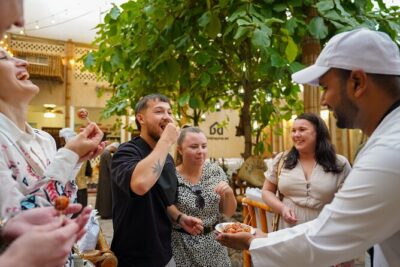
Old Town, Souks, Street Food, Guided Tour & Abra Ride
Read our review →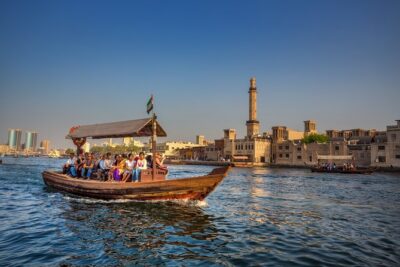
Frame Tickets, Creek, Souks & Blue Mosque Guided Tour
Read our review →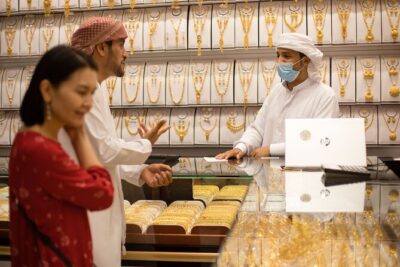
Dubai Aladdin Tour: Souks, Creek, Old Dubai and Tastings
Read our review →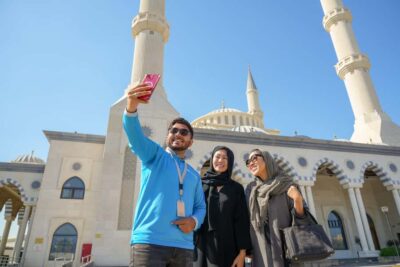
Half-Day City Tour with Blue Mosque, Creek, and Souks
Read our review →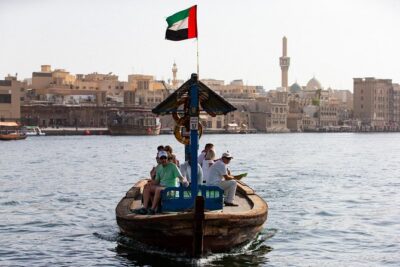
Dubai Half-Day City Tour with Visit to Dubai Gold Souk
Read our review →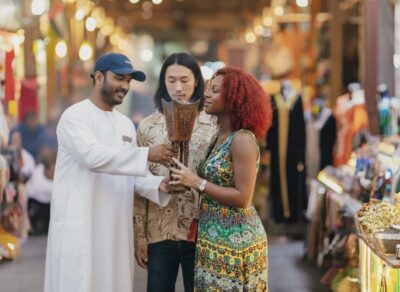
Old Town, Street Food, Creek, Souks, & Emirati House
Read our review →
Dubai City Tour: Old & New Dubai Abra Ride, Palm Island, Souks
Read our review →Browse the lists this tour appears in