
Reviewed · MUSEUMS
Dubai: Museum of the Future Admission Ticket
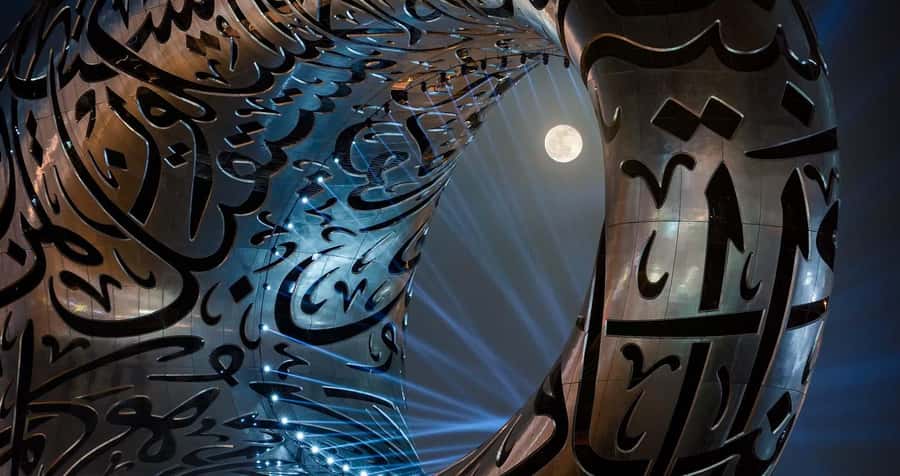
Dubai’s Museum of the Future is less a museum of old objects than a guided trip into possible tomorrows. You begin with a space-station-style launch, then move through ideas about climate, health, robotics, artificial intelligence, education, transport, and human augmentation. The building itself, a huge silver ring covered in Arabic calligraphy, may be the most unforgettable exhibit of all.
I like the strong opening sequence, which gives the visit a clear sense of movement, and the viewing platform, where you can pause above Sheikh Zayed Road and look back at the remarkable structure. Staff are stationed throughout the main areas, and guides such as Baba have helped make the experience more engaging for many visitors.
The main drawback is price. At about $46 per person, this is not a cheap museum visit, and the standard entrance can involve long waits at the elevators. The exhibits are imaginative, but some adults may find the presentation more exciting than the depth of the information.
Key things to know before you go
- The building is part of the attraction: Its silver torus shape and Arabic-script windows make it one of Dubai’s easiest landmarks to recognize.
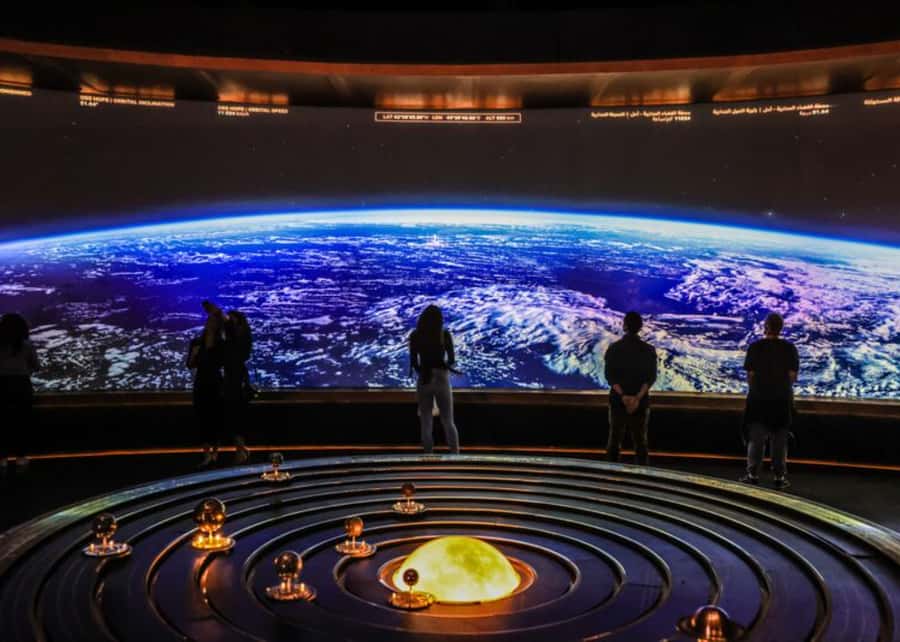
- The visit begins in space: The opening sequence creates the feeling of being launched toward a space station.
- Skip-the-line can matter: Busy periods may bring long elevator queues, making the faster ticket a useful upgrade.
- The themes look forward: Expect climate solutions, smart cities, energy, transport, AI, robotics, and health rather than historic displays.
- The rooftop viewing area is worth time: You get open-air views and a close look at the building’s unusual form.
- Families have extra room to explore: A children’s area at the bottom gives younger visitors a more hands-on way to play and learn.
The silver ring on Sheikh Zayed Road
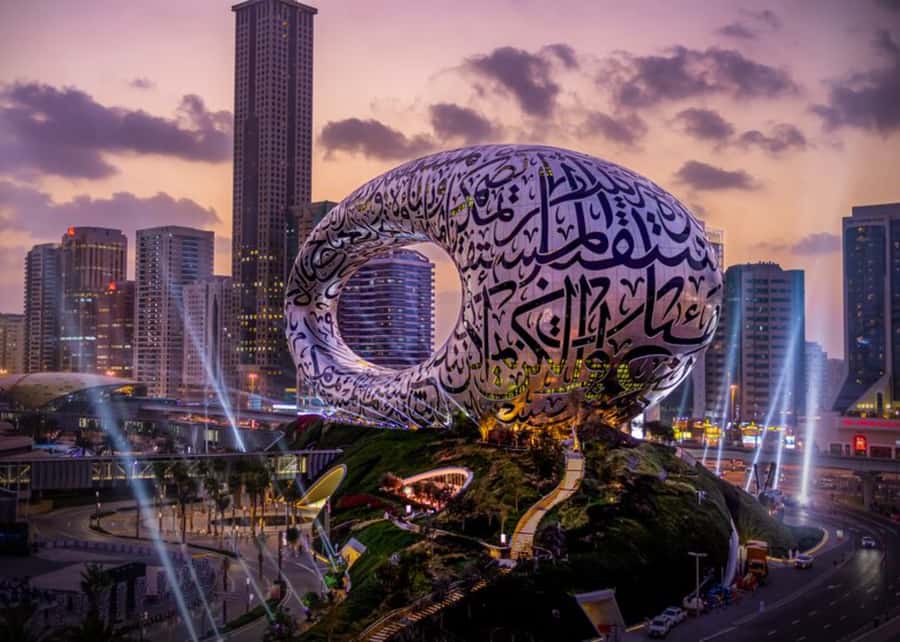
Before you enter, take time to look up. The Museum of the Future is shaped like a large, slightly tilted ring with an open center. Its exterior is covered in Arabic calligraphy, and the script also forms the windows. At night, lighting gives the building a dramatic glow.
I recommend taking your first photographs before going inside, then taking a second look from the viewing platform later. The outside view helps you understand the structure better after seeing how the interior has been fitted into its unusual shape.
The architecture can be a mixed part of the visit. Some people may love the building more than the displays, while others will find the interior ideas more rewarding. That is useful to know before paying the admission price. You are buying entry to both an architectural landmark and a future-focused exhibition, but the balance between those two parts will depend on your interests.
The museum is in Dubai and does not provide transport. You can reach it by metro, taxi, or car. Check the meeting instructions on your booking carefully, since the exact meeting point can vary. Some visitors have found that their voucher gave an address when the practical place to go was the counter inside the museum.
A few more things to do in Dubai worth a look
- Dubai: Old Town, Creek, Museums, Souks, & Street Food Tour
★ 4.8 · 10,816 reviews - From Dubai: Abu Dhabi Grand Mosque & Louvre Museum Full-Day
★ 4.8 · 6,227 reviews - Museum of the Future Tickets
★ 3.5 · 792 reviews
A launch sequence that sets the tone
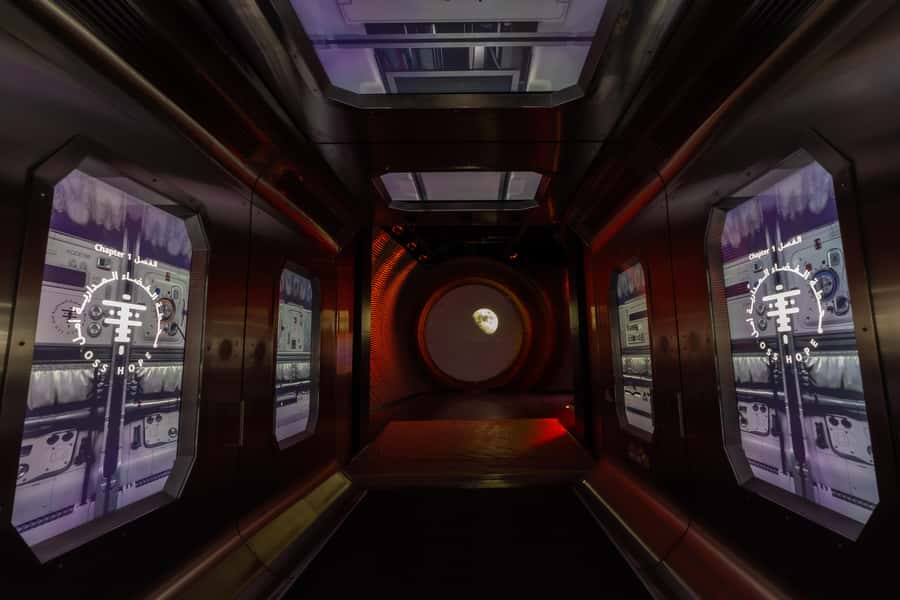
The visit begins with a space-themed introduction designed to make you feel as if you are being sent toward a station beyond Earth. It is a smart choice for an opening because it turns the museum from a collection of rooms into a journey.
I like this first section because it gives children and adults an immediate role in the story. You are not simply reading labels beside old machinery. You are being asked to picture what life might look like when people spend more time in space and rely on new systems to live, work, and travel.
The effect is theatrical, so set your expectations accordingly. This is not a quiet science museum with long technical explanations. The experience uses sound, movement, design, staff guidance, and visual scenes to get ideas across. If you prefer detailed engineering data, you may want more written information. If you enjoy a strong sense of arrival, the beginning works well.
Space, climate, and the future of daily life
After the opening, the museum moves through several future environments. Space travel is one of the clearest early themes, and the presentation encourages you to think about human life beyond Earth rather than treating space as a distant subject for specialists.
Climate change is handled through possible solutions and future planning. The museum’s general message is hopeful: today’s problems are not presented as fixed, and future systems may help people manage energy, cities, transport, and natural resources more carefully.
That optimism is one of the museum’s strengths, especially for younger visitors. It gives you ideas to discuss rather than leaving you with a list of disasters. At the same time, the approach can feel polished and idealistic. You may find fewer hard details about the cost, politics, or difficulty of putting these ideas into practice.
The displays also look at health, wellness, and spirituality. These subjects broaden the visit beyond machines and screens. The museum asks how technology may change the way people understand their bodies, their minds, and their place in the world.
Robotics, artificial intelligence, and human augmentation
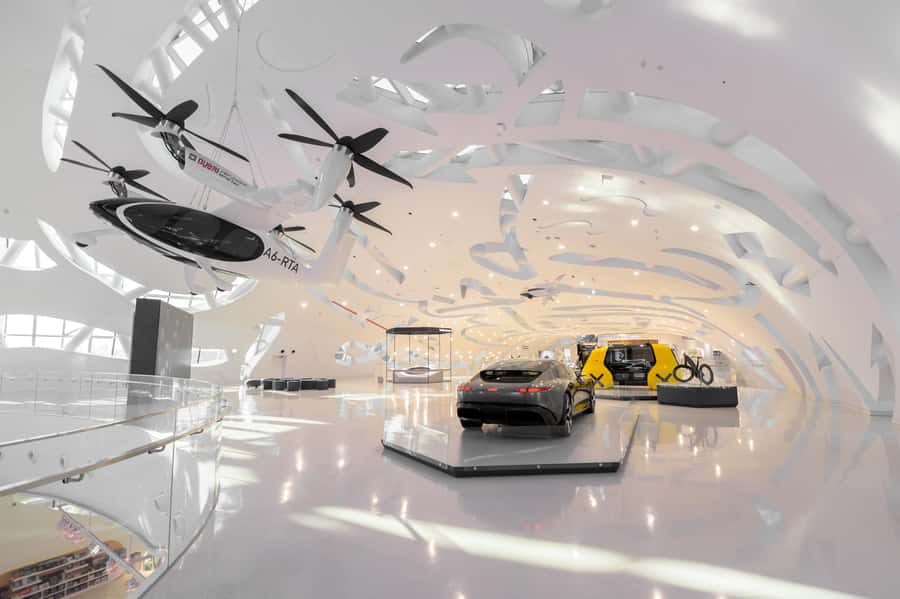
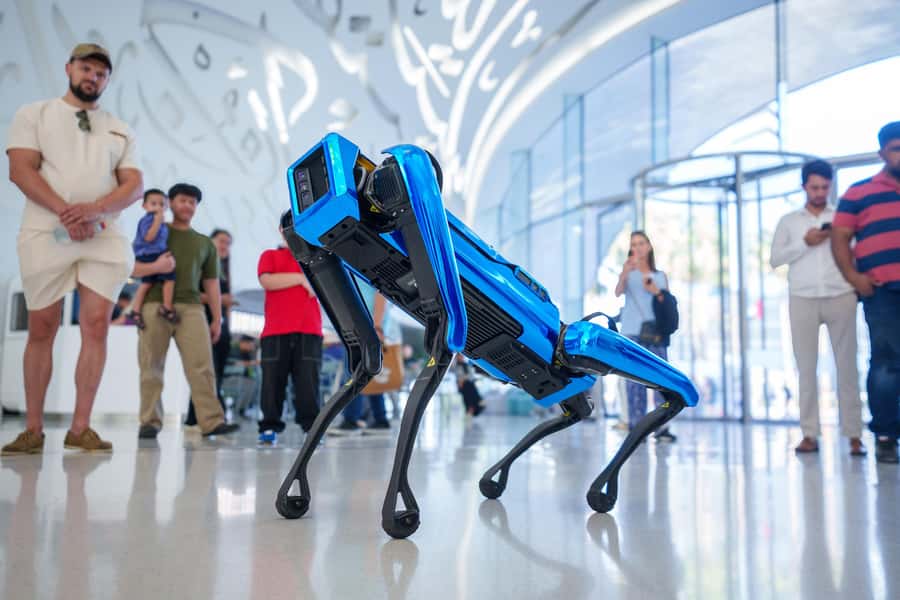
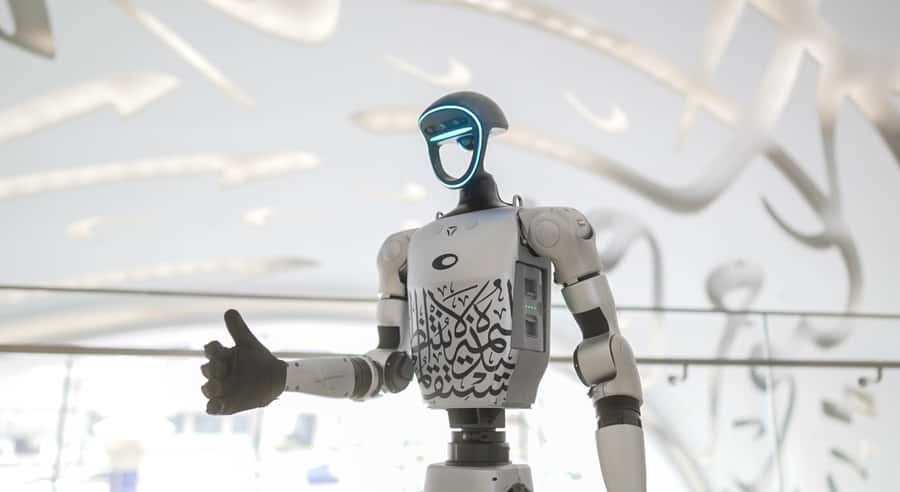
Robotics and artificial intelligence are central to the museum’s vision. You will encounter concepts showing how machines might assist people and how intelligent systems could affect homes, workplaces, medicine, education, and public services.
The subject is presented in a way that works well for families. You do not need a technical background to understand the basic questions: What should machines do for us? How much control should people give them? Can technology help solve problems without creating new ones?
Human augmentation takes the discussion a step further. The museum asks you to consider how tools and technology might extend human abilities. This can be fascinating, though it is also one of the areas where a visitor may want more debate and less polished prediction.
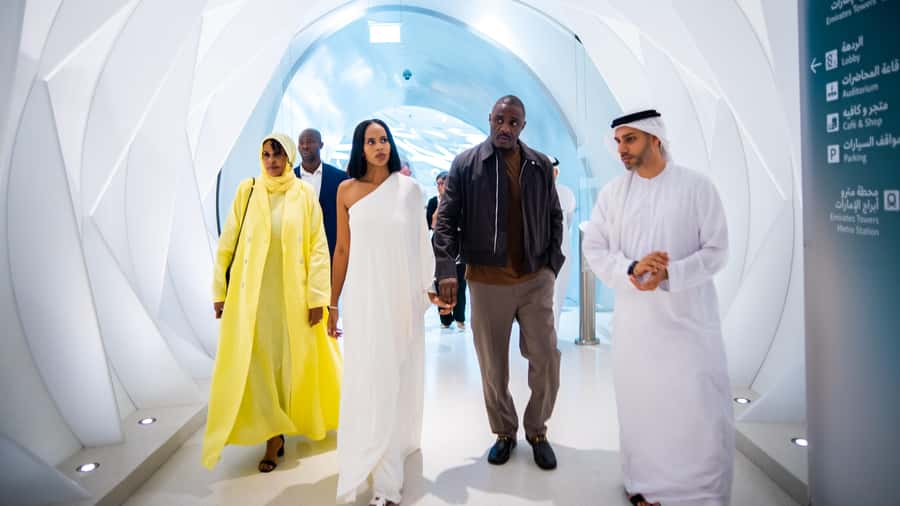
Staff in the exhibition areas help give the displays a human voice. The experience is not entirely self-guided, and that can make a difference when you are unsure what a screen or demonstration is trying to show. One guide named Baba has been singled out for making the visit lively and easy to follow, but the staff experience can vary depending on the day and the area you enter.
Same base, a different sort of day:
- Dubai: Burj Khalifa Levels 124 & 125 Entry Ticket + Options
★ 4.3 · 90,891 reviews - Dubai: Desert Safari, Quad Bike, Camel Ride & Al Khayma Camp
★ 4.9 · 68,962 reviews - Dubai: Desert Safari, Quad Bike, Camel Ride and Sandboarding
★ 4.9 · 43,505 reviews - Dubai: Safari, Quad Bike, Camel Ride, and Buffet Dinner
★ 4.9 · 33,424 reviews
Education, energy, transport, and smart cities
The museum’s future is not only about robots and astronauts. It also considers how ordinary parts of life might change. Education may become more flexible and technology-based. Energy systems may be redesigned. Transport may become cleaner or more automated. Smart cities may use connected systems to manage movement and services.
This section is valuable because it connects grand future ideas with familiar routines. You can think about the way you travel across Dubai, how buildings use power, and how children learn. The ideas are easier to judge when you connect them to your own city.
Some of the displays are practical demonstrations, while others are closer to imaginative proposals. That unevenness is worth keeping in mind. You may find one room convincing and another too vague. The museum is designed to prompt ideas, not give you a final plan for the next fifty years.
One future transport idea that caught attention in the visit is an aerial taxi planned for 2026. Treat such references as projections rather than guarantees. The pleasure is in seeing what Dubai wants to develop, not assuming every concept is already operating.
The DNA store and the open-air viewing platform
The DNA store is one of the more memorable stops. It presents the idea of cataloging living species and points toward a future in which science may help protect or understand life in new ways. One review also highlighted a display involving 2,000 species, making this an especially good area for visitors interested in biology and conservation.
The viewing platform is another high point. You step outside the main enclosed areas and get views across Dubai, along with a different perspective on the central opening of the building. The platform gives the visit a welcome pause after the darker, more controlled interior rooms.
I would not rush this stop. Take photographs, look back at the silver structure, and notice how the calligraphy windows work from the inside and outside. For many people, the platform alone helps justify part of the admission cost, particularly if you enjoy architecture and city views.
How long you really need
The listed duration is 1.5 hours, which gives you a useful minimum. You can move through the principal areas in that time, especially if you arrive close to your scheduled entry and do not stop at every interactive feature.
I would allow more time if your schedule permits. Families may spend several hours, particularly if children want to use the lower play area. The building has many visual details, and the staff-led explanations can slow your progress in a good way.
The visit can also take longer during busy periods because you may wait for elevators or move through crowded areas. Arriving when the doors first open is a sensible tactic. It gives you a better chance of seeing the main sections before queues build.
The museum is wheelchair accessible. Children up to age four can enter free, but you must visit the counter for age verification. Every child must be accompanied by an adult with a paid ticket, and children need a passport or ID card.
Is the skip-the-line ticket worth paying more?
At the basic price of about $46 per person, you are already making a fairly serious choice for a 1.5-hour attraction. The faster-entry option becomes more appealing when your Dubai schedule is tight or when you are visiting during a crowded period.
The main benefit is not just a shorter entrance queue. Reports of long waits at the elevators suggest that saving time can affect the whole visit. If you are late, traveling with children, or trying to fit the museum between other plans, the extra cost may be sensible.
The value is less clear on a quiet day. If you arrive early and the regular line is short, standard admission may be enough. Still, the museum can become busy, and arriving at opening time is not always possible for every family.
Some premium options include a retail voucher. One option provided a 50-dirham credit for the gift shop, but the exact inclusions depend on the ticket you choose. Do not assume every ticket includes it. A voucher is useful only if you actually want something from the shop, and the retail selection may not feel worth the extra price on its own.
Who will enjoy this most

I would recommend the museum most strongly to families with school-age children, teenagers, technology fans, architecture enthusiasts, and first-time Dubai visitors who want something different from malls and observation towers.
It also suits you if you enjoy asking big questions without needing every answer settled. The themes encourage discussion about climate, machines, medicine, cities, and human potential.
You may be less impressed if you expect a traditional museum filled with historical artifacts, detailed scientific exhibits, or a long documentary film. One useful way to think about it is as a designed future experience with museum elements. The outside is often more impressive than the contents for visitors who prefer architecture over concept displays.
The visit works for mixed-age groups because the presentation is visual and interactive. Children can use the activity area, teenagers can engage with robotics and AI, and adults can focus on city planning, health, energy, or the building itself.
Practical advice for a smoother visit
Book a timed entry and check the exact instructions for your ticket. The meeting point may differ by option, and the practical point of entry can be the counter inside the museum rather than the street address shown on a voucher.
Bring a passport or ID card for children. Selfie sticks are not allowed, and unaccompanied minors cannot enter. The museum is accessible for wheelchair users.
If you want the best chance of a calmer visit, choose the earliest available time. If your schedule is fixed or you arrive late, consider skip-the-line admission. Wear comfortable shoes, since even a short visit involves moving through several areas and stopping at interactive displays.
Use the viewing platform as a planned stop rather than a quick photo break. It gives you one of the best chances to understand the building, and it changes the rhythm of the visit after the indoor rooms.
Should you book the Museum of the Future?
Book it if you want a visually powerful, family-friendly look at possible futures and you appreciate bold architecture. The space-launch opening, DNA display, staff guidance, interactive rooms, and rooftop platform give the visit more variety than a simple building tour.
I would choose the skip-the-line option if you are visiting at a busy time, traveling with children, or working with a tight itinerary. If you are price-sensitive and have flexibility, arrive early with standard admission and decide if the regular ticket offers enough value.
The Museum of the Future will not satisfy everyone. Its ideas can be broad, optimistic, and sometimes light on practical detail. But as a one-time Dubai experience, it offers an unusual combination of architecture, performance, technology, and big questions. For many visitors, that is exactly the point.
FAQ
Where is the Museum of the Future located?
It is in the Emirate of Dubai, United Arab Emirates.
How long does the visit take?
The stated duration is 1.5 hours. Some people spend several hours inside, especially when visiting with children or stopping at many displays.
What does the ticket include?
The standard inclusion is entry to the Museum of the Future. Skip-the-line entry and a retail voucher are included only with certain ticket options.
Is skip-the-line entry available?
Yes, depending on the option selected. It can be useful when queues form at the entrance or elevators.
Can children enter for free?
Children up to age four can enter free, but they must visit the counter for age verification. Every child must be accompanied by an adult with a paid ticket.
What identification should children bring?
Bring a passport or ID card for children.
Is the museum wheelchair accessible?
Yes, the activity is wheelchair accessible.
How can I reach the museum?
The museum does not provide transportation. You can reach it by metro, taxi, or car.
Are selfie sticks allowed?
No. Selfie sticks are not allowed, and unaccompanied minors cannot enter.
Just added in Dubai
- 2-Day City Tour: Dubai & Abu Dhabi + Yacht Experience★ 4.8 · 17 reviews
- From Dubai: Fujairah Half-Day Scuba Dive and Snorkeling★ 4.7 · 186 reviews
- Abu Dhabi City Tour with Ferrari world Combo★ 5.0 · 123 reviews
- Abu Dhabi Tour With Ferrari World From Dubai★ 5.0 · 173 reviews
- Dubai Deep Sea Fishing 4 hours + BBQ of Catch★ 5.0 · 56 reviews
- Dhow Cruise Dubai with Buffet Dinner, Dance & Horse Show★ 5.0 · 94 reviews
- Discover Scuba Diving in Dubai★ 5.0 · 116 reviews
- Old Dubai Gold Souk and Water Taxi★ 4.0 · 26 reviews
Museums, compared.

Old Town, Creek, Museums, Souks, & Street Food Tour
Read our review →
Abu Dhabi Grand Mosque & Louvre Museum Full-Day
Read our review →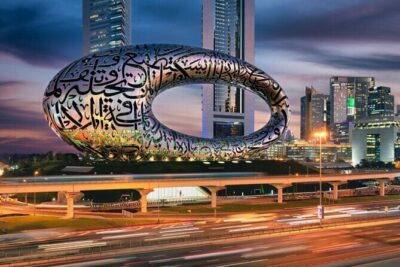

Future Museum, Burj Al Arab, and Dubai Frame Tour
Read our review →
Browse the lists this tour appears in