
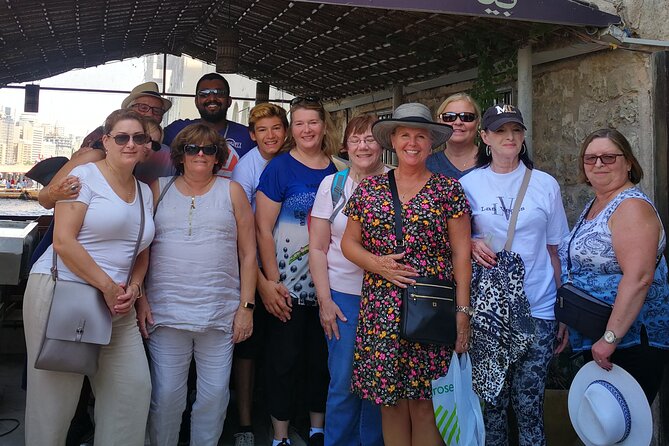
Reviewed · WALKING TOURS
Dubai’s Favourite Food & Historic walking Tour
Dubai’s glittering towers tell only half the story. This tour takes you into Old Dubai, where the city’s story begins with fishing, trade, Bedouin life, creek crossings, and crowded souks. You walk through Deira, cross Dubai Creek by abra, and finish around Bur Dubai and Al Fahidi with a series of local food tastings.
I like the mix of 12 tastings and clear historical context. You are not simply sent from restaurant to restaurant. The guide explains how food, spices, trade, and traditional medicine shaped daily life. I also like the small-group format, with a maximum of 15 people and the chance for more direct attention from guides such as Sandy and Malick.
The main drawback is the price: $350 per person is a serious amount for a three-hour walk, even with dinner included. You should also expect a walking-heavy outing through busy market areas, with tasting quantities that vary rather than a single formal meal.
Key points at a glance
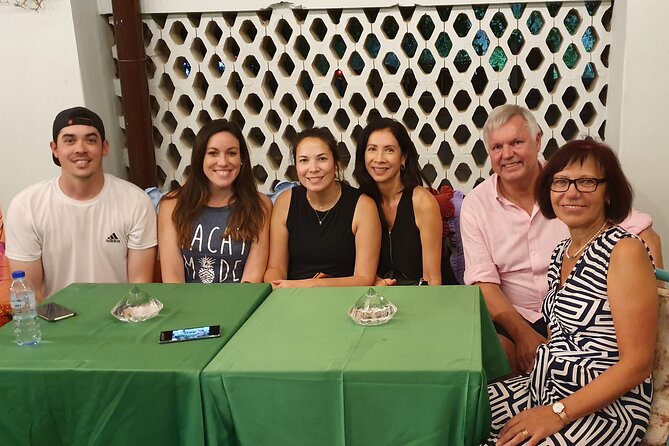
- Twelve tastings make up the meal: Expect Arabic crepes, hummus, shawarma, mutable, tabbouleh, camel meat, and other snacks served in variable portions.
- The abra crossing is part of the route: You cross Dubai Creek in the traditional small boat linking Deira and Bur Dubai.
- The Gold and Spice Souks add cultural context: The guide discusses souk traditions, trade, spices, and their former role in medicine.
- The route covers both sides of Old Dubai: Start at Al Ras Metro Station, explore Deira, then continue through Bur Dubai, the textile souks, and Al Fahidi.
- Sandy and Malick are named guide options: Their role is central because the tour depends on storytelling as much as tasting.
- The group is capped at 15 people: That is small enough for questions, though the provider describes its tours as private.
Starting at Al Ras Metro Station in Deira
The meeting point is Al Ras Metro Station on Al Khor Street in Deira. This is a practical start because the tour begins in one of Dubai’s oldest commercial districts, rather than asking you to travel out to a modern hotel zone and back.
From the station, the route heads into Deira and uses the neighborhood to explain how Dubai developed from a small fishing and trading village. That context matters. Modern Dubai can make its past feel distant, but Deira puts trade, water, and food right under your feet.
You will hear about local eating habits and the way food fit into older daily life. The guide also connects the city’s growth to its position along Dubai Creek, which helped goods and people move between the two sides of the city.
The tour lasts about three hours, so the pace is likely to be steady. You will be walking, stopping to eat, listening to explanations, and moving on before one area has time to feel repetitive. Wear comfortable shoes and plan your other sightseeing around the tour, rather than trying to squeeze in a major attraction at the same time.
Other guided walks in Dubai:
- Historic Old Dubai & Souk Small Group Walking Tour
★ 5.0 · 156 reviews - Dubai Souks, Food & Culture Walking Tour
★ 5.0 · 132 reviews - Private Old Dubai Walking Tour: Forts, Souks, and Boats
★ 5.0 · 116 reviews
Arabic crepes, hummus, and the first taste of Deira
The first food stop includes a famous Arabic crepe and dips such as hummus. This is a useful opening because it introduces you to local flavors before the route becomes more focused on markets and older neighborhoods.
The food is served as a tasting, not as a full restaurant order at every stop. You receive 12 tastings in total, with quantities that can vary. The combined portions are intended to make up a meal, and the experience is described as dinner, but you should not expect every dish to arrive in a large serving.
That arrangement has two advantages. You can try foods you might not order on your own, and you avoid filling up on the first dish. It also keeps the walk moving. The tradeoff is that portion sizes are not fixed, so diners with large appetites may want to keep expectations realistic.
The early stop also sets up one of the tour’s strongest themes: food is treated as part of the city’s story. You are not only tasting hummus or a crepe. You are hearing how eating habits fit into a place shaped by trade, limited resources, and contact between different cultures.
Gold and Spice Souks: trade, medicine, and modern change
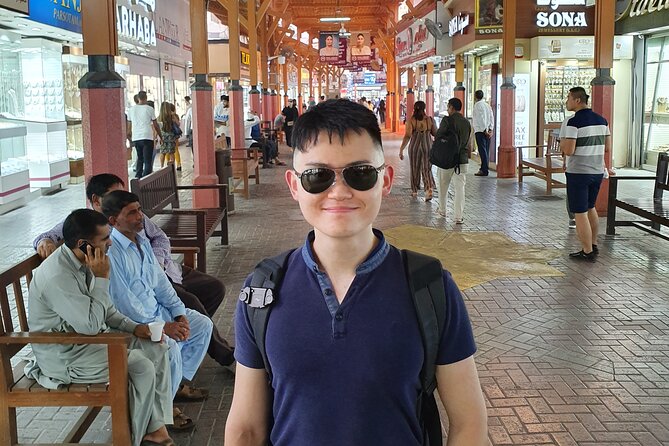
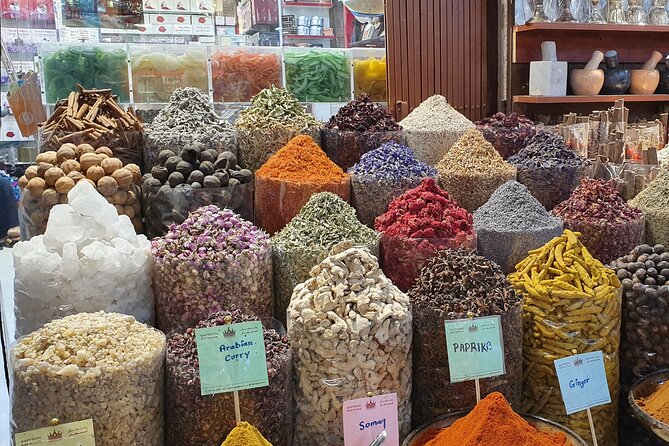
The route continues through the Gold and Spice Souks. These markets are among the clearest places to see the commercial side of Old Dubai, with narrow lanes, shop displays, and goods tied to the city’s trading past.
The gold section gives you a look at one of Dubai’s most famous markets. The tour does not appear to be built around shopping, so you should think of this stop as a cultural walk rather than a buying excursion. You will have a guide to explain how souks formed and how they continue to function in an age shaped by online commerce.
The Spice Souk is especially important to the food theme. The guide discusses the medicinal use of spices and explains how they once served a practical role in a society without specialist hospitals. The tour points out that Dubai did not have a specialist hospital until the 1960s, so spices and household remedies were part of everyday care.
That discussion gives the spice market more meaning than a quick photo stop. You may see ingredients as cooking tools, trade goods, and traditional medicine at the same time. I like this kind of explanation because it ties a market to ordinary life instead of treating it as a colorful backdrop.
The souks can be busy, and the walking surface and pace may not feel as easy as a modern shopping mall. Keep your group in sight and listen for the guide’s instructions, especially while moving through crowded lanes. The maximum group size is 15, which helps, but it is still worth staying alert.
Crossing Dubai Creek by abra
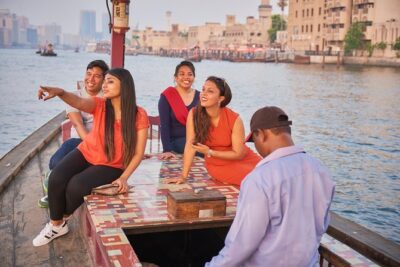
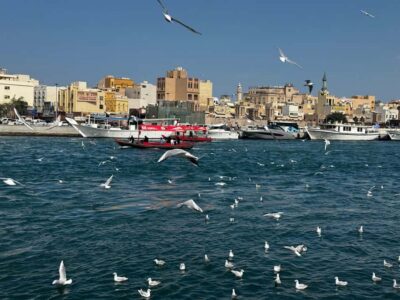
At some point, the group crosses Dubai Creek by abra, the traditional small boat used between Deira and Bur Dubai. This is more than a change in scenery. It shows why the creek was central to the city’s early trade and settlement.
The crossing also breaks up the walking. After the market lanes of Deira, the open ride gives you a short pause before the next section of the tour. You will see the two historic districts from the water, even if only briefly, and understand the creek as a working route rather than just a scenic feature.
The abra ride is included in the route, but the supplied details do not give a separate ride duration or specify the exact boat arrangement. Treat it as one part of the walking tour, not a standalone cruise.
For many people, this will be one of the most memorable parts because it links the food and history together. Goods, spices, textiles, and people moved across this waterway. The crossing makes that fact easier to picture than a museum label would.
A few more things to do in Dubai worth a look
- Dubai Evening Heritage Safari by Vintage G Class Al Marmoom Oasis
★ 5.0 · 1,500 reviews - Dubai Camel Desert Safari, Traditional Meal & Heritage Activities
★ 5.0 · 937 reviews - Dubai: Heritage Safari in Vintage Land Rover with Dinner
★ 4.8 · 861 reviews - Dubai: Historic City Highlights Day Trip
★ 4.4 · 807 reviews
Bur Dubai, textile souks, and Al Fahidi
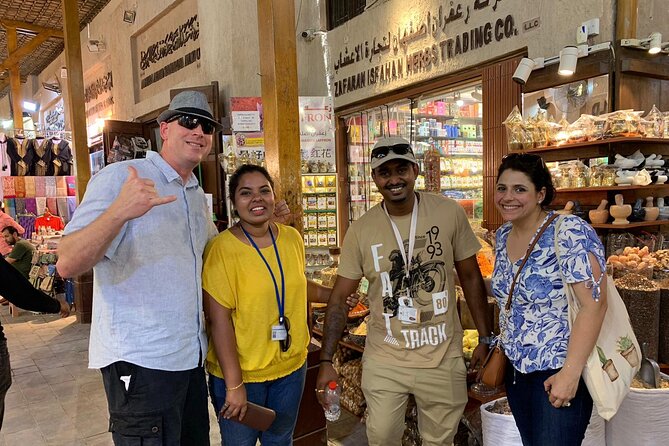
Once across the creek, the tour explores Bur Dubai, including the textile souks and the Al Fahidi area. This side of the route adds a different feel from Deira’s gold and spice markets.
Textiles help broaden the story of trade. The tour is not only about what Dubai ate, but also about the goods that moved through the city and the commercial networks that supported its growth. The exact shops and stops can vary, but you can expect a short walk through traditional market areas rather than a long shopping session.
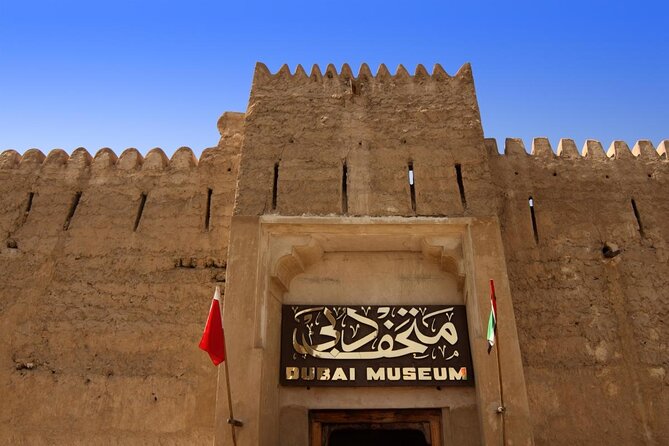
Al Fahidi brings the route back to Dubai’s older built setting. The area is associated with the city’s historic core, so it suits a tour focused on origins and heritage. The information provided does not promise entry to a specific museum or historic house, so do not book this expecting a museum-heavy program. It is a walking and food experience, with stories delivered along the route.
This part of the tour is also where the contrast with modern Dubai becomes clearest. You move from skyscraper-driven city images to low-rise lanes, old market traditions, and places where the city’s earlier scale is easier to grasp.
Shawarma, mutable, tabbouleh, and camel meat
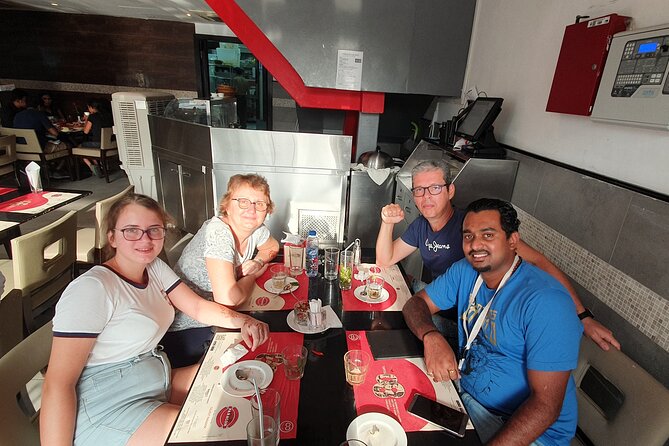
The later tastings include shawarma, mutable, tabbouleh, camel meat, and additional snacks. This is the part that turns the walk into a full food introduction rather than a single market visit.
Shawarma is a familiar favorite for many visitors, but eating it in the middle of a route through Old Dubai gives it a stronger sense of place. Mutable, a dip made with eggplant, and tabbouleh add different textures and flavors to the meal. The tour also includes camel meat, which gives you a chance to try an ingredient tied to the region’s older food traditions.
The tastings are not limited to one restaurant. You will hop between different restaurants in the old part of Dubai. That approach lets you sample several styles and keeps the food linked to the neighborhoods you are walking through.
The tasting list is not presented as a rigid menu with every item guaranteed in an identical format. It includes 12 tastings of variable quantities, with some additional snacks. If you have allergies, dietary restrictions, or strong dislikes, ask about them before booking or at the time of reservation. The available information does not promise a specific adaptation plan.
One particularly memorable combination mentioned for the tour is chicken shawarma, caramel milk, ice cream, and a camel burger. Those items suggest the food stops can include both familiar street food and more unusual local choices. Still, menus can change, so treat these as examples rather than a guaranteed sequence.
What the guide adds to the experience
This tour depends heavily on the guide. Food alone would not justify a long walk through Old Dubai, and history alone would not make the meal feel distinctive. The best version combines the two at each stop.
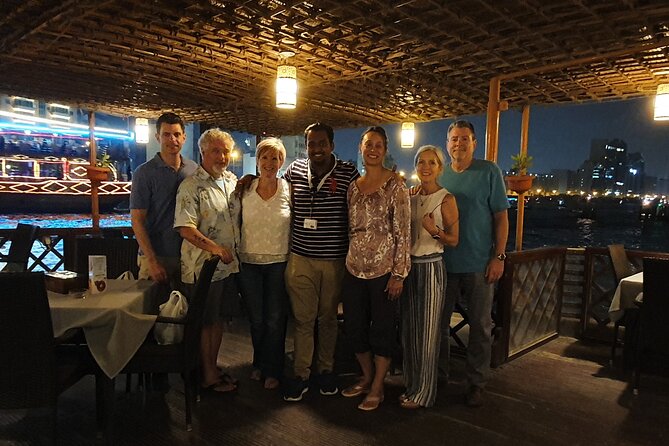
Sandy is one named guide associated with the experience. The available feedback describes Sandy as engaging, proactive, and well-informed, with strong explanations of Dubai and its food. Malick is another named guide, praised for making the day brilliant when the group was only one couple.
Those names are useful because a small group can change the feel of a walking tour. A group of two may allow a very personal conversation, while a group near the maximum of 15 may feel more like a standard guided outing. The provider lists the experience as private tours only, yet the tour information also gives a maximum group size of 15. Confirm the exact group arrangement when you book if privacy matters to you.
The guide also needs to manage timing carefully. Twelve tastings, several market areas, an abra crossing, and historical explanations leave little room for long stops. You should expect a structured route, not an unhurried afternoon of browsing.
Is $350 per person good value?
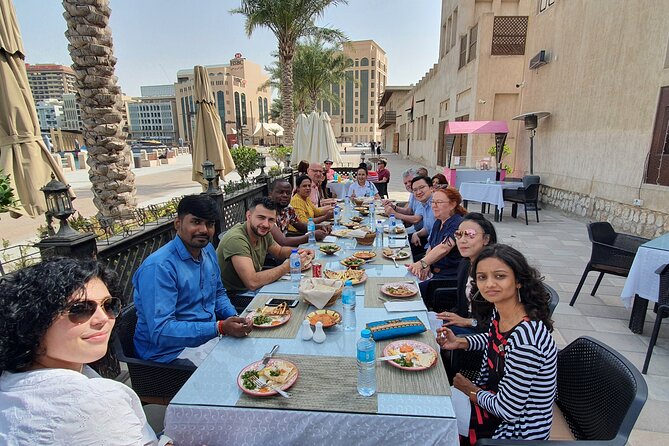
At $350 per person, this is expensive for a three-hour experience. The cost includes dinner made up of 12 tastings, bottled water, the guided walk, and the abra crossing, but it does not include any extra menu items beyond the planned tastings.
The value depends on what you want from Dubai. If you only want food, you can spend far less by eating independently. If you only want to see the souks, you can visit them without a guide. The price makes more sense if you want a compact introduction that combines food, transportation, history, and a local guide in one planned route.
Small-group attention is another part of the value. A maximum of 15 is not the same as a one-on-one tour, but it is more manageable than a large coach group. The named guides, Sandy and Malick, are a positive factor because the experience needs clear explanations and active coordination.
I would compare this price with the rest of your Dubai plans. First-time visitors who have only a short stay may find the tour useful because it covers both sides of the creek in one outing. Repeat visitors, independent food explorers, or budget-conscious visitors may find it harder to justify.
Who should book this Old Dubai food walk?
I would recommend it most strongly to you if you want to understand Dubai before spending time in its newer districts. It suits people who enjoy walking, trying several small portions, and asking questions about local customs and city development.
It is also a good match if you are curious about foods outside the standard tourist menu. Shawarma and hummus are approachable, while camel meat adds a more unusual tasting. The spice discussion is valuable if you like learning how ingredients fit into medicine and daily life, not just how they taste.
Families and mixed-age groups may appreciate the variety, provided everyone can manage the walking and market setting. The tour says most people can participate, but it does not provide detailed accessibility information. If you need specific assistance, confirm it before booking.
I would hesitate if you dislike walking in crowded markets, prefer a long sit-down dinner, or want a private experience guaranteed for only your own party. The tour is also a poor fit if $350 feels out of step with your food budget.
Booking, meeting point, and cancellation details
You meet at Al Ras Metro Station, at 779V+C84 on Al Khor Street in Deira, Dubai. The tour ends back at the meeting point, so plan your evening around returning there rather than assuming you will finish in Bur Dubai.
The activity is near public transportation, and confirmation is received at booking. It is typically booked about 35 days ahead, which suggests you should reserve early if your dates are fixed.
Free cancellation is available up to 24 hours before the start time for a full refund. Changes made less than 24 hours ahead are not accepted, and cancellations inside that window are not refunded. The experience requires good weather. If poor weather causes cancellation, you are offered another date or a full refund.
Should you book it?
Book this tour if you want a guided introduction to Dubai’s older neighborhoods, with enough food to replace dinner and a clear route across Dubai Creek. The abra ride, spice market discussion, and mix of Deira, Bur Dubai, the textile souks, and Al Fahidi give the experience more substance than a simple tasting walk.
Think carefully about the price. At $350, you are paying for personal guiding, planning, a small-group format, and a broad Old Dubai experience, not just the cost of the food. If that combination matches your priorities, especially on a short first visit, it can be a useful way to see a side of Dubai that many people miss.
FAQ
Where does the tour start?
It starts at Al Ras Metro Station, at 779V+C84 on Al Khor Street in Deira, Dubai.
Where does the tour end?
The activity ends back at the meeting point.
How long does the tour last?
The tour lasts approximately three hours.
How many people can join?
The maximum group size is 15 people.
What food is included?
The tour includes dinner through 12 tastings of variable quantities. Foods listed include Arabic crepes, hummus, shawarma, mutable, tabbouleh, camel meat, and other snacks.
Is the abra ride included?
Yes. The route includes an abra ride across Dubai Creek from the souk area toward Bur Dubai.
Is bottled water included?
Yes. Bottled water is included.
Can I cancel for a full refund?
Yes, if you cancel at least 24 hours before the experience start time. Poor-weather cancellations are handled with an alternative date or a full refund.
Just added in Dubai
- Evening Desert Safari & camel ride – Without Camp Experience★ 5.0 · 131 reviews
- 1-Hour Dune Buggy Self-Drive, Camel Ride & Sandboarding Adventure★ 5.0 · 15 reviews
- 30 minutes Buggy Ride with Desert Safari included Dinner & Shows★ 5.0 · 36 reviews
- Private 2 Seater polaris Dune Buggy in Red Dunes(AL Faya Desert )★ 5.0 · 10 reviews
- Dubai full day tour without lunch from Dubai★ 4.5 · 44 reviews
- Dubai: Dune Buggy Adventure Safari in Red Dunes★ 5.0 · 23 reviews
- Half Day Dubai Modern Wonders Tour★ 5.0 · 24 reviews
- Private Desert Safari Red Dunes with BBQ,Camel Ride,Sand Boarding,Live Shows★ 5.0 · 28 reviews
Walking Tours, compared.
Historic Old Dubai & Souk Small Group Walking Tour
Read our review →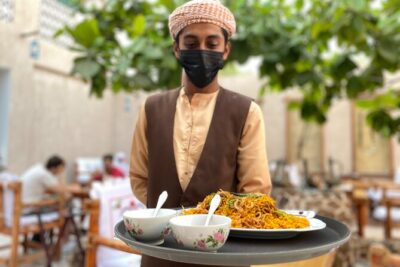
Private Old Dubai Walking Tour: Forts, Souks, and Boats
Read our review →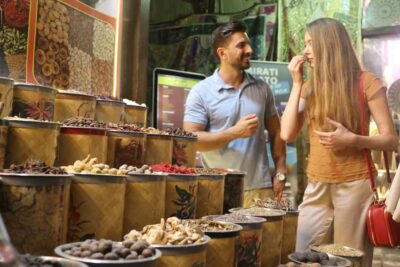
Private Old Town, Heritage & Souks Walking Tour
Read our review →
Old Town Walking Tour with Abra Cruise & Street Food
Read our review →
Walking, Architecture and History Tour of Dubai Opera
Read our review →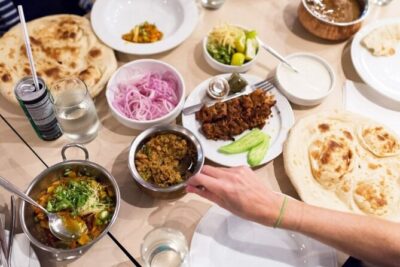
Local Street Food and Guided Walking Tour of Dubai Old Town
Read our review →Browse the lists this tour appears in