
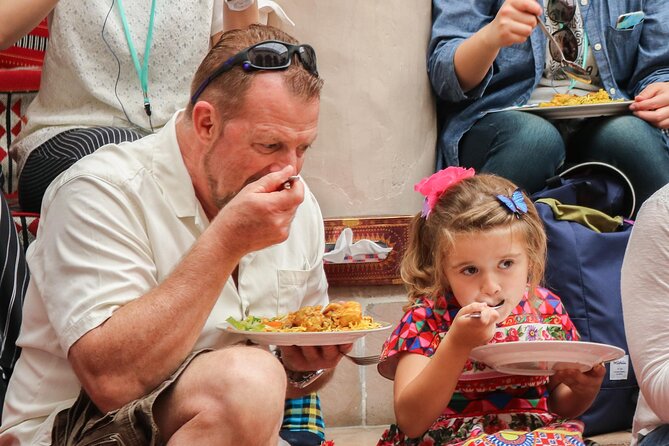
Reviewed · OLD DUBAI, SOUKS & ABRA RIDES
Authentic Emirati Cultural Meal and Talk in Old Dubai
The best part of this experience is the setting: you sit in a traditional wind-tower courtyard in Al Fahidi while an Emirati presenter answers plain, direct questions about life in the UAE. I like the relaxed format, and I like that you can ask about subjects that rarely get explained on a standard sightseeing tour, from Arabic greetings to Islamic customs and local dress.
The main consideration is the meal itself. It is presented as authentic Emirati cuisine, but one visitor found the food less distinctly Emirati than expected. Come primarily for the conversation and cultural exchange, with the meal as an important part of the welcome rather than the sole reason to book.
Key points to know before booking
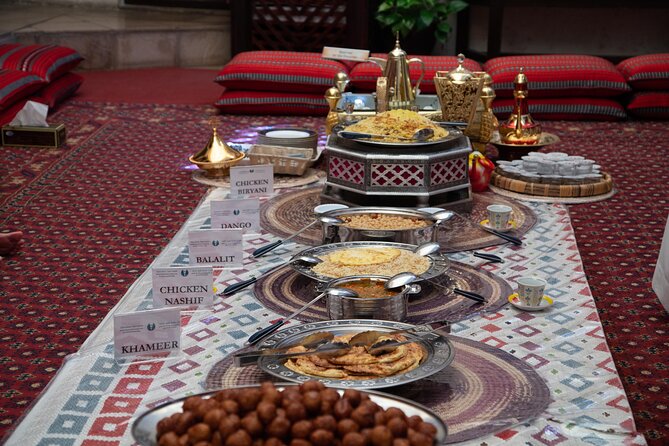
- A meal in a wind-tower courtyard: The experience takes place at the Sheikh Mohammed Centre for Cultural Understanding in Al Fahidi’s old quarter.
- A small, question-led format: Groups are limited to nine, so you have a fair chance to ask about subjects that interest you.
- Arabic coffee, dates, and local sweets: The welcome includes coffee, tea, water, dates, and ligamat served with date syrup.
- Breakfast, lunch, or dinner options: You can fit the 90-minute session into different parts of your Dubai schedule.
- A useful first stop in Old Dubai: The activity ends at the same place, leaving you free to walk around Al Fahidi afterward.
- Best for curious visitors: The value comes from honest conversation about Emirati society, Islam, family life, food, and dress.
A cultural meal in the heart of Al Fahidi
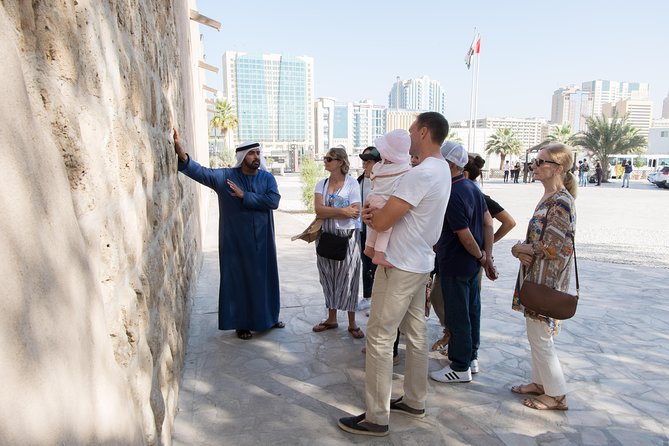
Dubai can make it easy to see towers, shopping malls, and polished hotel districts while learning little about the country beneath the modern image. This meal offers a different starting point. You go to the Al Fahidi neighborhood, formerly associated with the Al Bastakiya district, and enter a traditional house built around a wind tower courtyard.
The setting matters. A wind tower is not just a decorative old-Dubai feature. It reflects an older way of dealing with the heat before modern air-conditioning. Sitting in this kind of courtyard gives the talk a physical link to the daily life being discussed.
Your meeting point is the Sheikh Mohammed Centre for Cultural Understanding on Al Mussallah Road in Al Fahidi. You make your own way there, since transportation is not included. The activity lasts about one hour and 30 minutes and returns to the same meeting point.
I would schedule this early in your Dubai visit if possible. The conversation can help you understand customs and social habits that you will notice elsewhere, and Al Fahidi is a pleasant area to explore on foot once the meal ends.
Other trips through the old quarter in Dubai:
- Dubai: Old Town, Creek, Museums, Souks, & Street Food Tour
★ 4.8 · 10,816 reviews - Dubai: Old Town, Souks, Street Food, Guided Tour & Abra Ride
★ 4.9 · 7,170 reviews - Dubai: Frame Tickets, Creek, Souks & Blue Mosque Guided Tour
★ 4.8 · 5,980 reviews
Arabic coffee, dates, and an easy welcome
The session begins with Arabic coffee and dates. Tea and water are also served. This opening is simple, but it helps set the tone: you are not being rushed through a museum display or delivered a memorized speech from a bus.
The coffee and dates also provide a natural way to discuss hospitality. Food and drink are central to social life in the Emirates, and the welcome gives the presenter an opening to explain customs and everyday manners. You may also hear important Arabic greetings and expressions, along with guidance about cultural values and sensitivities.
The tone is informal. Several people enjoyed the fact that questions were encouraged, and the presenters were described as kind, funny, and comfortable discussing difficult subjects. Abdullah was singled out by name in one account, though the presenter can vary by session.
You should arrive ready to participate. This is not designed as a silent meal where someone talks at you for 90 minutes. The conversation develops from what the group wants to know. One visitor felt a short opening overview would have helped, so you may get more from the session if you bring a few questions of your own.
What is served at the Emirati meal
The meal is intended to introduce you to local food, with generous portions and traditional favorites. One clearly identified sweet is ligamat, a small fried doughnut-style treat covered with date syrup. It is the sort of dish that works especially well at the end of a shared meal, with coffee or tea.
The available information does not provide a full menu, so you should not book expecting a precise restaurant-style tasting list. The food is described as authentic Emirati cuisine, and many people found it good, generous, and enjoyable. Still, one visitor felt there was not enough distinctly Emirati food for the experience promised.
That difference in expectation is worth taking seriously. If your main goal is a detailed food tour, this may leave you wanting more. If your priority is a social meal paired with cultural questions, the food fits the format well.
The meal also gives the presenter a chance to explain how food is served and eaten. One unusual detail raised during a session was the use of hands for eating. That may lead into practical discussion about etiquette, cleanliness, and the meaning of hospitality. You do not need to treat the meal as a formal dining performance. The point is to eat, ask, listen, and understand the customs in context.
The question-and-answer session is the real value
The core of the experience is the conversation. Topics can include Arabic culture, Islam and its effect on local life, social values, dress, family life, greetings, and everyday practices. You are invited to ask directly, and the format is designed to make questions feel comfortable rather than awkward.
That openness is a major strength. Some cultural presentations stay safely vague. This one is intended to let you ask about the details you are actually wondering about. You can ask why certain clothes are worn, how religious beliefs affect daily routines, or how traditional practices fit into modern Dubai.
The discussion is also useful because Dubai’s public image can be misleading. The city is highly modern, yet local society has its own customs and expectations. Learning about both sides helps you read the city with greater care.
The strongest sessions seem to depend on a good exchange between the presenter and the group. The program is not a fixed lecture with every minute scripted. That is good if you enjoy conversation, but less ideal if you want a complete, carefully ordered history of the UAE.
Bring questions such as:
- What do different Emirati garments mean?
- Which Arabic greetings should visitors use?
- How does Islam shape family and social life?
- What customs should visitors respect?
- Which dishes are served at home or on special occasions?
- How has daily life changed as Dubai developed?
These questions are not listed as a required script. They are useful prompts because the more specific your questions, the more personal and practical the discussion can become.
Same base, a different sort of day:
- Dubai: Burj Khalifa Levels 124 & 125 Entry Ticket + Options
★ 4.3 · 90,891 reviews - Dubai: Desert Safari, Quad Bike, Camel Ride & Al Khayma Camp
★ 4.9 · 68,962 reviews - Dubai: Desert Safari, Quad Bike, Camel Ride and Sandboarding
★ 4.9 · 43,505 reviews - Dubai: Safari, Quad Bike, Camel Ride, and Buffet Dinner
★ 4.9 · 33,424 reviews
Dress, faith, and family life without a formal lecture
The cultural talk covers more than food. You can learn about Emirati clothing and the reasons behind local dress, as well as customs connected to Islam. One session included an opportunity to dress up at the end, which added a light, hands-on element to the discussion.
Do not assume every session will follow precisely the same order or include the same small extras. The format is shaped by the presenter and the questions in the room. You may speak with a woman in traditional clothing, or with male presenters such as the hosts praised for explaining customs in detail.
The family-life discussion can be especially useful. Dubai is often presented through architecture and shopping, but the meaning of home, hospitality, religion, and family relationships tells you more about local society than a skyline view does.
This is also a respectful place to ask about Muslim beliefs. The point is not to debate religion. It is to understand how faith and tradition connect with daily routines, greetings, dress, meals, and social behavior. Presenters are there to explain, and the format encourages a comfortable exchange.
Why the small group matters
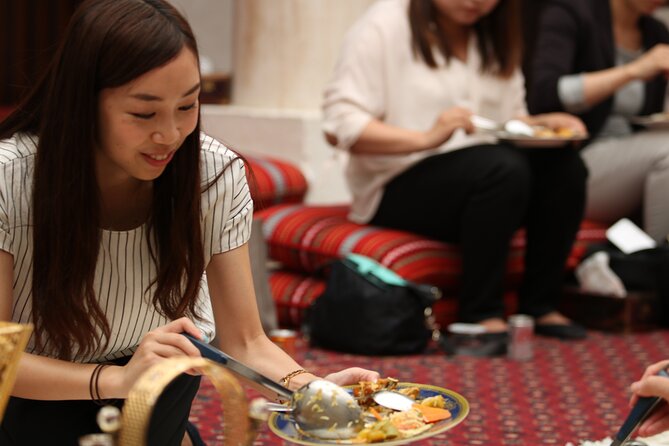
The maximum group size is nine people. That is a useful limit for this type of activity. A large group would make direct questions harder and could turn the session into a one-way presentation.
With fewer people, you have a better chance to ask a follow-up question instead of waiting behind a long line of raised hands. You may also find the meal more relaxed, since the room does not feel like a crowded dining hall.
There is one tradeoff. The conversation will be influenced by the people booked into your time slot. If several visitors ask about the same subject, that topic may receive more attention than another. If you want to cover something specific, speak up early.
The small size also explains why the activity can feel more personal than a general city tour. You are not only looking at an old house. You are using the place as a meeting point with a local presenter who can explain the culture in everyday terms.
Choosing breakfast, lunch, or dinner
The experience can be booked as a breakfast, lunch, or dinner session. That gives you useful flexibility, especially if you are building a day around Al Fahidi, the Dubai Creek area, or other parts of old Dubai.
A morning booking works well if you want cultural context before a day of sightseeing. Lunch is the natural choice for most people because the meal becomes the main event in the middle of the day. Dinner can suit you if the heat has eased and you want a calm evening activity.
The data does not specify different menus for each time. Treat the choices as scheduling options rather than separate culinary programs. The duration remains about 90 minutes.
Afterward, you finish at the original meeting point. That makes it easy to continue exploring Al Fahidi on your own. You can also plan this as a compact cultural stop rather than giving it an entire day.
Is $36.28 a fair price?
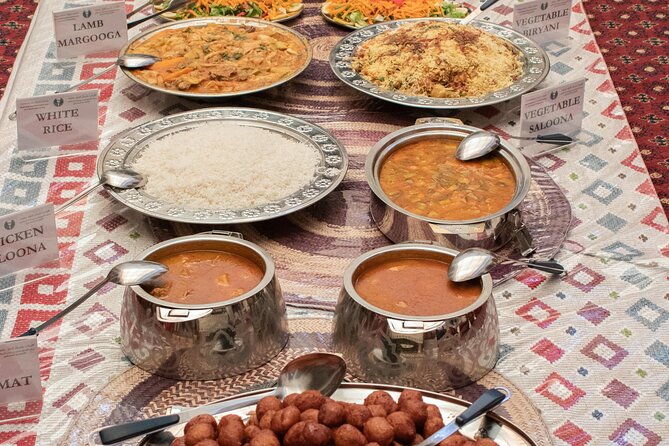
At $36.28 per person, the price is reasonable if you value the personal discussion as much as the meal. You are paying for food, drinks, a historic setting, and access to a local cultural presenter in a group capped at nine.
It is less compelling if you measure value only by the amount of food or by the number of sights visited. This is not a full walking tour of Dubai, and transportation is not included. You must reach the center yourself and arrange your own transport afterward.
I see the best value in using this as an introduction to Dubai. A standard meal might cost less, but it would not normally include a sustained conversation about Emirati life, Islamic customs, dress, greetings, and family traditions. A standard city tour might show you more places, but it may not give you room to ask direct questions.
The experience is also a practical alternative to a formal museum visit. You learn through conversation, with food and local hospitality making the subjects easier to understand.
Who will enjoy this experience most?
I would recommend it to first-time visitors who want more than Dubai’s modern facade. It is especially useful for families, couples, and solo visitors who enjoy asking questions and hearing personal explanations.
It suits you if you:
- Want a respectful introduction to Emirati culture
- Prefer conversation to a fixed lecture
- Are curious about Islam and daily life in the UAE
- Plan to explore Al Fahidi before or after the meal
- Enjoy trying local food without needing a full food itinerary
- Want a short activity that fits around other Dubai plans
It may not suit you if you want a highly structured historical tour, a large menu of named dishes, or included transportation. It is also not the best choice if you prefer to observe quietly and avoid group discussion.
Children can participate, but they must be accompanied by an adult. Most people can take part, and service animals are allowed. Confirmation is sent within 48 hours of booking, subject to availability.
Practical booking advice
This experience is often booked about 36 days ahead, so reserve early if your Dubai dates are fixed. The activity requires a minimum number of participants. If that minimum is not reached and the session is canceled, you are offered another date or experience, or a full refund.
Free cancellation is available up to 24 hours before the local start time. Changes or cancellations made less than 24 hours before the start are not accepted for a refund.
The ticket is mobile, which makes entry simple. Still, check the exact meeting details before leaving your hotel, since you are responsible for getting to the Sheikh Mohammed Centre for Cultural Understanding.
Should you book it?
Book this experience if you want a friendly, direct explanation of Emirati culture in an old-Dubai setting. The strongest reasons are the small group, open questions, Arabic coffee and dates, and the chance to talk about faith, dress, family, and daily life with a local presenter.
Book it early in your trip, bring questions, and plan time to walk around Al Fahidi afterward. Keep your food expectations sensible: you will receive a local meal and specialties such as ligamat, but this is not a full culinary tour.
If you want a human introduction to Dubai’s culture, the $36.28 price is fair. If you want a detailed menu or a sightseeing-heavy itinerary, choose something else or pair this with a separate food tour.
FAQ
Where does the Emirati cultural meal take place?
It takes place at the Sheikh Mohammed Centre for Cultural Understanding in the Al Fahidi neighborhood of Dubai, in a traditional wind-tower house.
How long does the experience last?
The activity lasts approximately one hour and 30 minutes.
What food and drinks are included?
The visit includes authentic Emirati cuisine, water, Arabic coffee, tea, and dates. Ligamat with date syrup is one of the local specialties highlighted.
Can I choose the time of day?
Yes. Breakfast, lunch, and dinner options are available.
Is transportation included?
No. You must arrange your own transportation to and from the Sheikh Mohammed Centre for Cultural Understanding.
Where does the activity end?
It ends back at the original meeting point.
How many people can join the experience?
The maximum group size is nine people.
Can children participate?
Yes, but children must be accompanied by an adult.
What is the cancellation policy?
You can cancel up to 24 hours before the experience for a full refund. Cancellations or changes made less than 24 hours before the start time are not accepted for a refund.
Just added in Dubai
- Dubai Walking Tour★ 5.0 · 7 reviews
- Dubai Unique Sunset Combo: 4WD and Quad Bike Red Dunes Safari★ 5.0 · 54 reviews
- Dubai Wild Wadi Water Park Admission Ticket★ 4.5 · 9 reviews
- Dubai Secret Food Tours with Access to Burj Khalifa bar★ 5.0 · 49 reviews
- Dubai Walking Tour “Fahidi Area, Dubai Museum, Souks”★ 5.0 · 13 reviews
- Dubai: Unique SUNRISE 4WD Red Dunes Safari★ 5.0 · 68 reviews
- Dubai: Unique SUNSET Buggy Red Dunes Safari★ 5.0 · 32 reviews
- Half-Day Private City Tour with Magical Dubai Frame Visit★ 4.5 · 9 reviews
Old Dubai, Souks & Abra Rides, compared.
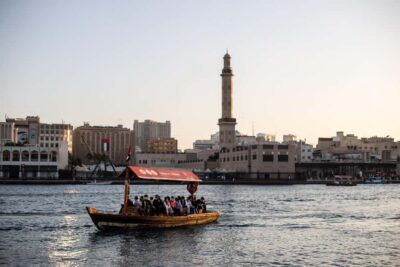
Old Town, Creek, Museums, Souks, & Street Food Tour
Read our review →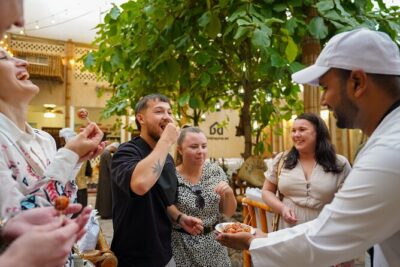
Old Town, Souks, Street Food, Guided Tour & Abra Ride
Read our review →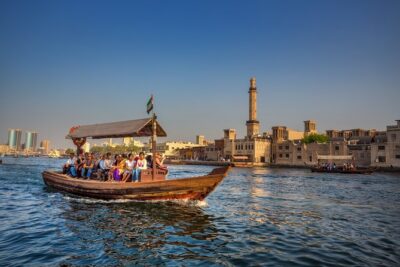
Frame Tickets, Creek, Souks & Blue Mosque Guided Tour
Read our review →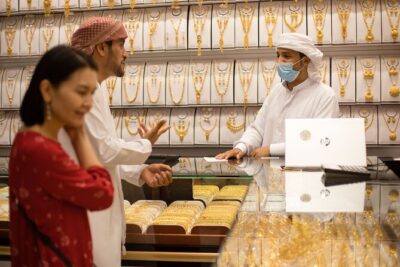
Dubai Aladdin Tour: Souks, Creek, Old Dubai and Tastings
Read our review →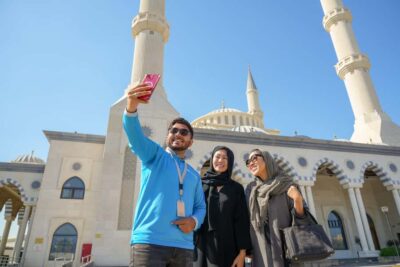
Half-Day City Tour with Blue Mosque, Creek, and Souks
Read our review →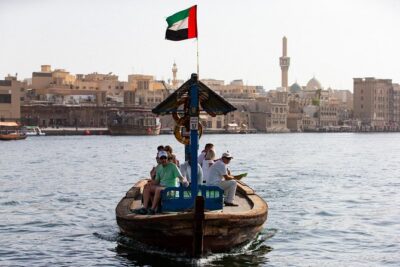
Dubai Half-Day City Tour with Visit to Dubai Gold Souk
Read our review →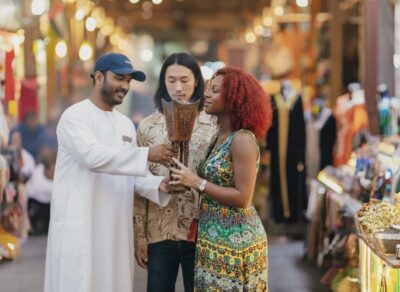
Old Town, Street Food, Creek, Souks, & Emirati House
Read our review →
Dubai City Tour: Old & New Dubai Abra Ride, Palm Island, Souks
Read our review →Browse the lists this tour appears in