
Reviewed · OLD DUBAI, SOUKS & ABRA RIDES
Dubai: Authentic Old Town, Souks, Tastings & Abra Boat Tour
Old Dubai is where Dubai makes the most sense. This $8 small-group tour links the Al Fahidi Historical Neighborhood, old Emirati homes, spice and gold souks, local tastings, and a short abra boat crossing into one compact introduction to the city before the skyscrapers took over.
I like the traditional food and drink tastings, especially the chance to try Arabic coffee, saffron tea, dates, sweets, and other local items while learning how they fit into Emirati life. I also like the practical shopping advice, since a guide can help you understand prices, sales tactics, and the difference between a real market visit and a sales stop. The main consideration is the heat: this is a walking tour through exposed streets, so comfortable shoes, a hat, sunglasses, water, and a willingness to take breaks matter.
Key points to know before you book
- A $8 introduction to Old Dubai: The price includes the guide, heritage-area access, old-house entry, tastings, and the abra ride.
- Anis is a frequently praised guide: He is described as funny, patient, engaging, and full of useful facts. Mustafa, Abdul, and Ahmad have also led highly regarded tours.
- The route covers both sides of Dubai Creek: You begin around Al Fahidi, then cross by traditional abra to the spice and gold souks.
- Tastings are part of the walk: Expect Arabic coffee, saffron tea, dates, chocolates, local sweets, iced tea, water, and other specialty drinks or snacks.
- The tour helps with souk shopping: Your guide explains how to avoid tourist traps and approach local products with more confidence.
- Heat breaks are taken seriously: Guides have adjusted the pace, used shaded and indoor spaces, and kept people hydrated on hot days.
Why Old Dubai makes a better first walk than another mall
Dubai is famous for glass towers, luxury hotels, and air-conditioned shopping centers. Those places are easy to visit, but they tell only one part of the story. In Al Fahidi, the scale changes. You walk past older buildings, narrow lanes, courtyards, and homes built around the needs of daily life.
I like this tour because it gives you context before sending you into the markets. Instead of seeing a spice stall as just a colorful photo stop, you hear how spices, tea, coffee, trade, boats, and homes fit into Dubai’s past. That makes the later souk visit more interesting and less confusing.
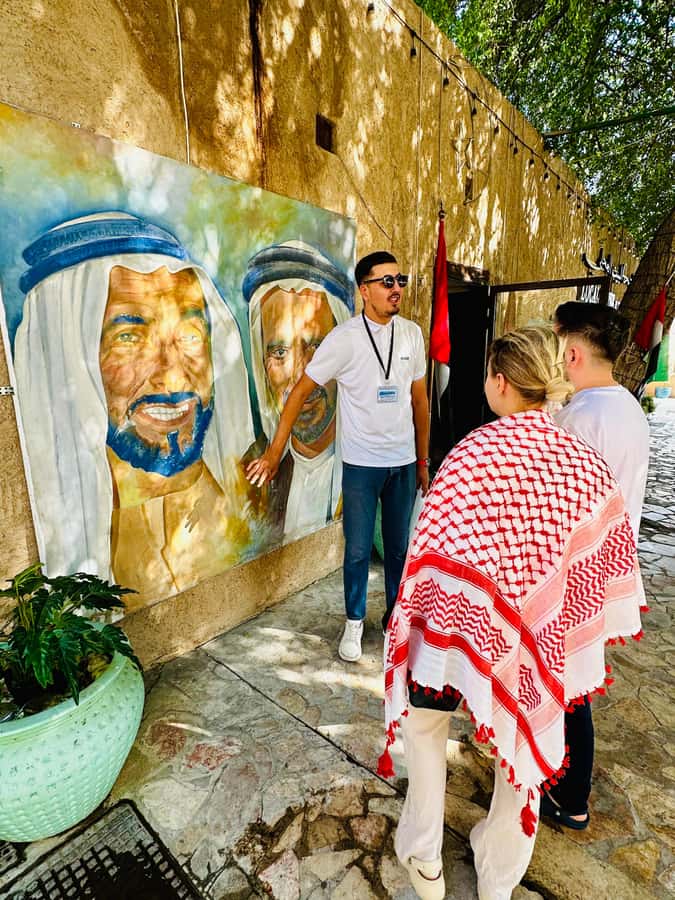
The guide-led format matters here. Old Dubai can be pleasant to wander alone, but many details are easy to miss. The tour explains local architecture, the development of the UAE, and the lives of people who lived in these homes. It also gives you someone to answer the questions that come up as you walk.
Several guides have made a strong impression, but Anis appears repeatedly in the feedback. People describe him as humorous, energetic, patient, and especially good at answering questions. Mustafa is also praised for keeping the group comfortable during hot weather, while Abdul and Ahmad have been noted for friendly, attentive guiding.
Other trips through the old quarter in Dubai:
- Dubai: Old Town, Creek, Museums, Souks, & Street Food Tour
★ 4.8 · 10,816 reviews - Dubai: Old Town, Souks, Street Food, Guided Tour & Abra Ride
★ 4.9 · 7,170 reviews - Dubai: Frame Tickets, Creek, Souks & Blue Mosque Guided Tour
★ 4.8 · 5,980 reviews
Meeting at Arabian Tea House in Al Fahidi
The tour begins in front of the Arabian Tea House Restaurant & Cafe in Al Fahidi. Be sure you go to the Al Fahidi location, since the name is used for more than one place. This is a useful meeting point because it puts you directly beside the historic area rather than at a distant hotel or transport hub.
Arrive ready to walk. The tour does not list a standard hotel pickup, although pickup is included when you choose the private-tour option. The regular meeting arrangement is simple: find your guide at the tea house, then finish back at the same point.
The restaurant itself may tempt you to arrive early for a drink, but that is separate from the tour unless specifically included in your booking. Wear shoes that can handle uneven walking, and bring sunglasses and a sun hat. Dubai’s heat can make a short walk feel much longer, especially in the middle of the day.
Inside the old Emirati houses
One of the most useful parts of the route is entry into traditional houses. These spaces help explain how local homes were designed before modern air-conditioning and high-rise living changed the city.
You can look for practical features such as courtyards, shaded areas, and architectural choices suited to the climate. Your guide also explains how the buildings relate to family life and local customs. The value is not in seeing one perfectly restored room. It is in understanding how ordinary homes worked and how much Dubai has changed.
The tour includes old-house entry and access to the heritage area, along with Baba’s Cave. The supplied information does not give a full description of every room or the cave, so you should treat these as guided heritage stops rather than expect a museum with a long formal exhibition.
This section suits first-time visitors especially well. If you simply walk through the neighborhood alone, you may notice attractive doors, walls, and wind towers without understanding their purpose. A guide can connect those details to the broader story of the UAE.
Coffee, saffron tea, dates, and local sweets
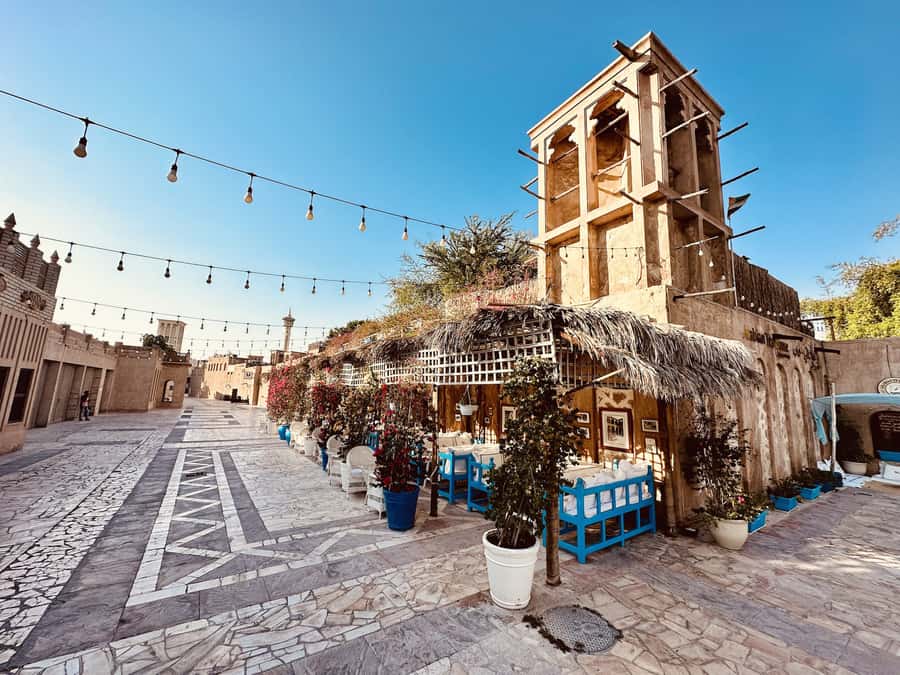
Food is not an afterthought here. The tour includes Arabic coffee, saffron tea, dates, water, chocolates, local sweets, and iced tea, with other drinks and specialty products included during the route.
I like this approach because small tastings often explain culture better than a long lecture. Coffee comes with customs and preparation methods. Tea and saffron open a conversation about flavor, trade, and hospitality. Dates and sweets give you a quick sense of the ingredients often offered to visitors and guests.
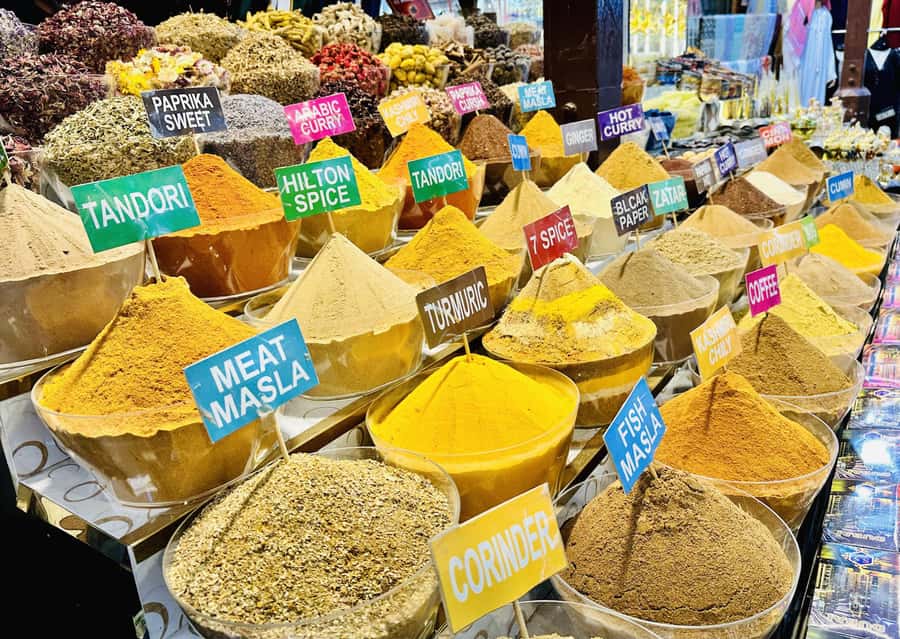
You also get a spices experience. This is a good place to ask questions instead of simply taking photographs. Find out what a spice is used for, how it is prepared, and what makes one product different from another. The tour is designed to help you make sense of the shopping experience, not just pass through a shop.
The food is best viewed as sampling, not a full meal. If you arrive hungry, eat beforehand or plan another meal afterward. The included items are spread across the tour and are intended to introduce local flavors rather than replace lunch or dinner.
More eating your way round Dubai:
- Dubai Aladdin Tour: Souks, Creek, Old Dubai and Tastings
★ 5.0 · 3,755 reviews - Authentic Old Dubai, Souks, Tastings & local boat Guided Tour
★ 5.0 · 504 reviews
Crossing Dubai Creek by traditional abra
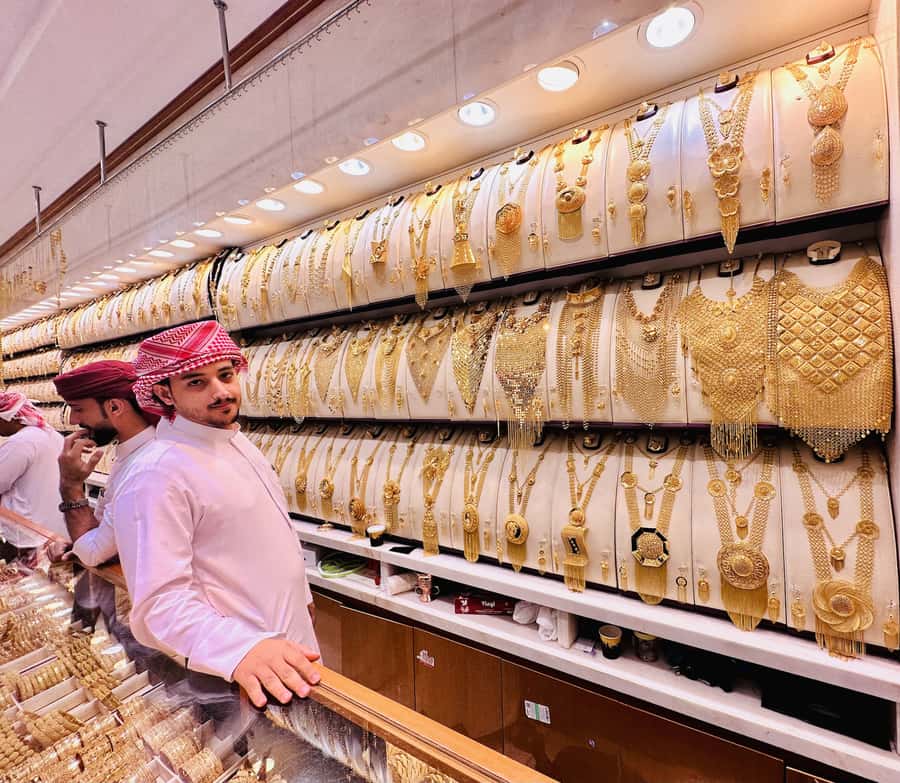
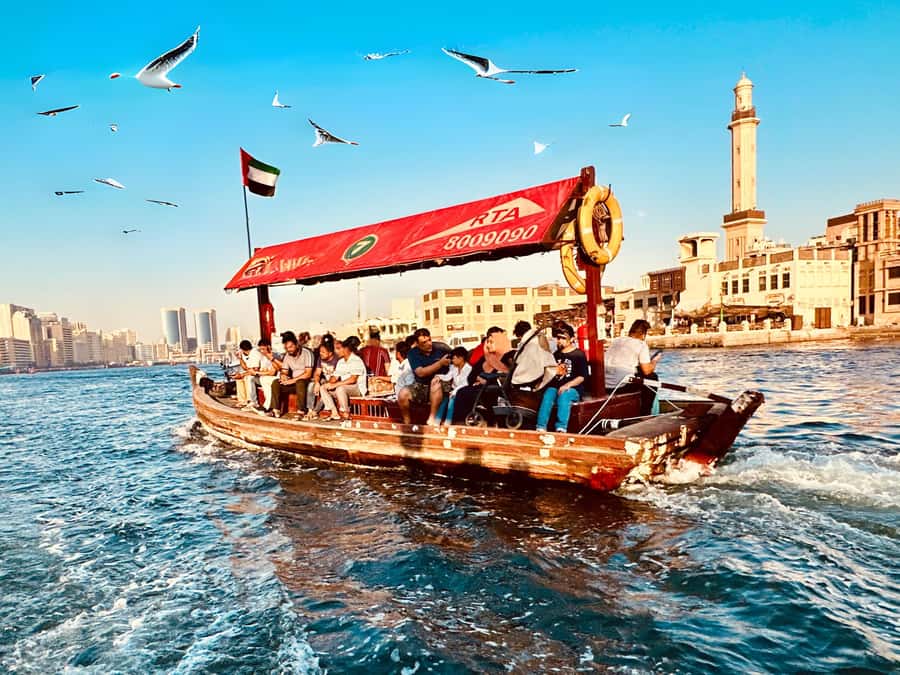
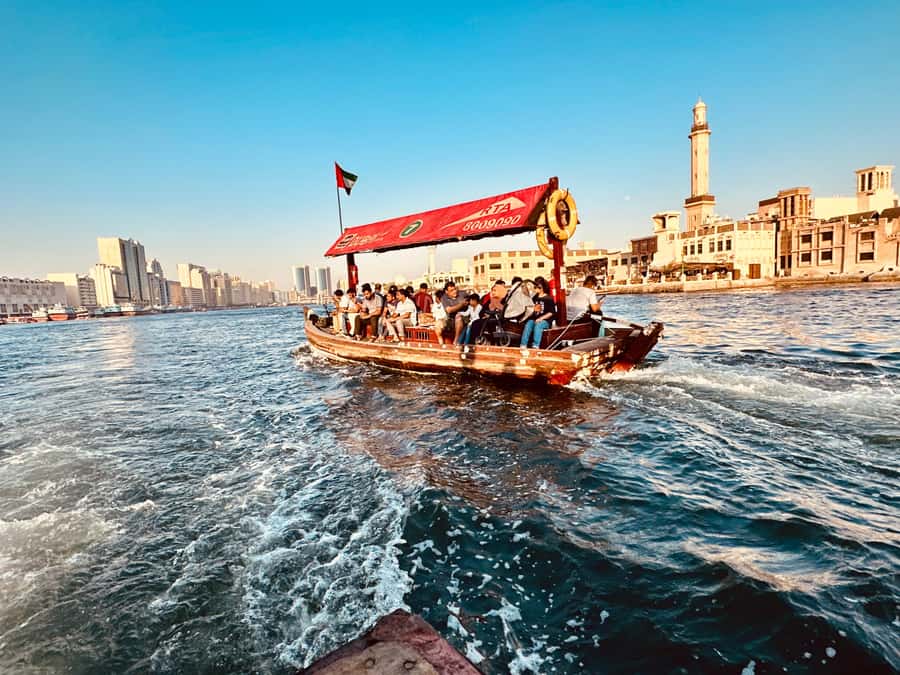
The abra ride is short, but it gives the tour a welcome change of pace. After walking through Al Fahidi, you cross Dubai Creek on the traditional wooden boat once used by fishermen and local residents.
The crossing helps you see the creek as a working part of Dubai’s story rather than just a scenic waterway. It also links the two halves of the outing in a natural way: historic homes on one side, commercial souks on the other.
Do not expect a long cruise or a luxury boat trip. The abra is basic and traditional. That is exactly its appeal. You get a simple local transport experience, a different view of the water, and a break from walking before entering the markets.
The boat can also be a good moment to pause and take in the shift in atmosphere. The route moves from quiet heritage lanes to a more active trading area, and the contrast is part of what makes the outing work.
Spice souk shopping without the usual confusion
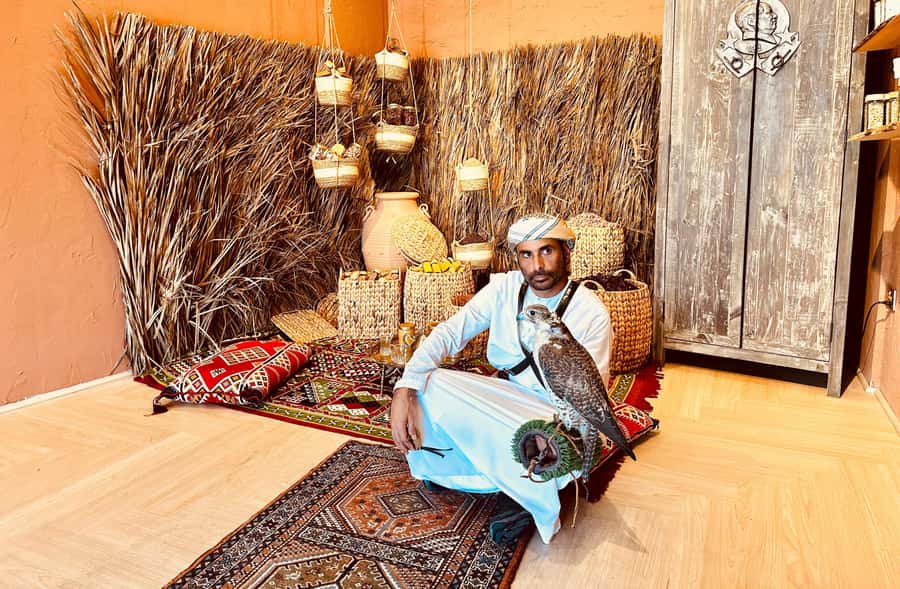
The spice souk is where the guide’s practical advice becomes most useful. Market sellers may invite you inside, point out special products, or encourage you to buy more than planned. A guide can explain how to slow down, compare items, and avoid feeling pressured.
The tour promises advice on tourist traps and scams. That does not mean every seller is dishonest, and you should not approach the souk with suspicion. It means you will have a better idea of how the selling process works and how to make a decision without rushing.
Use this section to look closely. Smell the spices, ask what they are used for, and compare packaging and prices. If you want to buy something, decide first how much you want to spend. Your guide can offer useful direction, but you remain responsible for checking the product and agreeing on the final price.
This stop is particularly good for visitors who want local products but do not know where to start. It is less useful if you dislike shopping entirely, since the souks are an important part of the route.
Gold souk atmosphere and local commerce
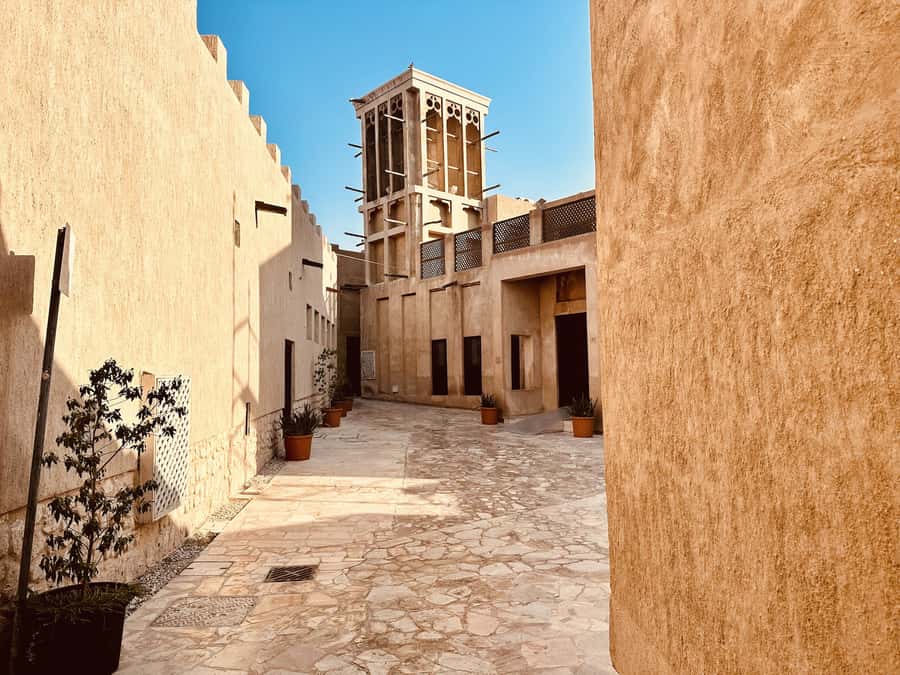
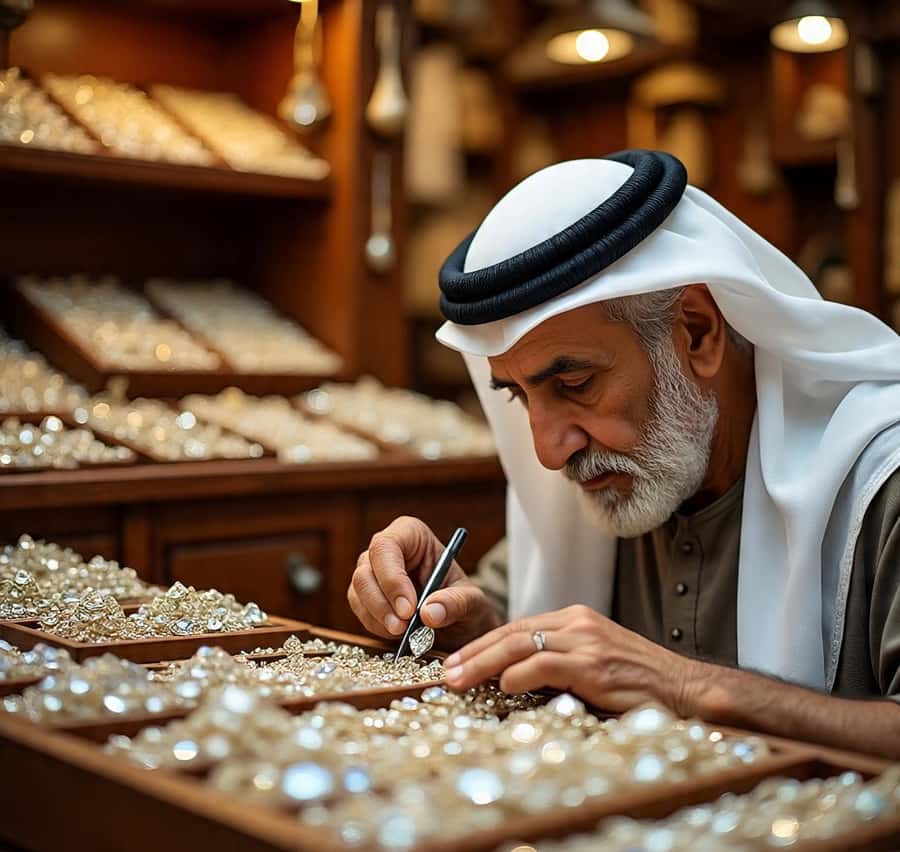
The gold souk adds a different side of Old Dubai. Here, the focus shifts from loose spices and teas to jewelry, displays, and the long-running commercial role of the area.
You do not need to buy anything to enjoy this stop. The point is to see how the souk operates and understand why gold remains such a visible part of Dubai’s market culture. Your guide can explain what you are seeing and help you avoid treating every sales pitch as a must-buy opportunity.
The market can feel more commercial than the residential lanes of Al Fahidi. That contrast is useful. Dubai’s older identity was not only about homes and hospitality. It was also about trade, movement, and business along the creek.
How the $8 price holds up
At $8 per person, this is unusually inexpensive for a guided cultural walk that includes several tastings, entry to old houses, the heritage area, a traditional abra ride, and a licensed guide.
The value is strongest if you are new to Dubai and want several basics handled at once. You receive orientation, cultural explanation, transport across the creek, and market advice without paying separately for each element. For a short stay, that makes the tour an efficient use of time.
There are limits. The price does not promise a private guide, hotel transport in the standard option, or a full meal. The tour is also built around walking and shared experiences, so it will not suit someone looking for a quiet luxury outing or a highly customized itinerary.
The private option changes the arrangement by adding hotel pickup. If you are traveling with family, have limited time, or want more control over the pace, the extra cost may be worth considering. For most visitors, the small-group format should offer the better bargain.
Heat, pace, and comfort on the route
Dubai’s heat is the practical issue to plan around. The route includes outdoor walking, market streets, and a boat crossing, so you should not dress as if you are spending the entire day inside a mall.
Guides have adjusted the experience for hot conditions by using indoor areas, finding shade, offering breaks, and keeping people supplied with water. Mustafa is specifically praised for being patient and careful with a group during sweltering weather. Ahmad also made a point of using air-conditioned spaces and shaded areas during a private tour.
Still, a thoughtful guide cannot remove the heat entirely. Wear light, comfortable clothing and shoes that will not cause trouble on a walking route. Bring a hat and sunglasses. If heat affects you strongly, ask about the likely start time when booking and consider choosing a cooler part of the day if available.
The relaxed pace is another advantage. The tour is not presented as a race between attractions. You have time to ask questions, taste products, and look around. That makes it easier for families and curious visitors, though people seeking a fast checklist may find the pace slower than expected.
Who should take this Old Dubai tour?
I would choose this tour for a first visit, a short stopover, or anyone who feels that Dubai’s modern side is only half the picture. It gives you a useful base for exploring the old neighborhoods on your own later.
It is also a good choice for visitors who enjoy food sampling but do not want to commit to a formal cooking class. The tasting list is broad enough to introduce coffee, tea, dates, sweets, and spices without making the activity revolve around one dish.
Families can benefit from the guide’s storytelling and question time. One guide helped a family traveling with a 16-month-old, and another made sure an older parent had shade and rest stops. The actual comfort level will depend on the day and the group, but the format allows for some flexibility.
You may want something else if your main interest is modern architecture, desert activities, fine dining, or a long shopping session. This is a heritage walk with market visits, not a Burj Khalifa experience or a desert safari.
Should you book it?
Book this tour if you want an inexpensive, well-organized introduction to the part of Dubai that high-rise sightseeing leaves out. The combination of old houses, local drinks and sweets, an abra crossing, spice and gold souks, and shopping guidance gives you a lot for the price.
I would pay special attention to the guide assignment. Anis has been singled out for humor, clear explanations, and enthusiasm, while Mustafa, Abdul, and Ahmad have also been praised for making the route personal and comfortable. The exact guide can affect the feel of a walking tour, but the structure itself is solid.
Skip it if you dislike heat, walking, tasting unfamiliar products, or market shopping. For everyone else, this is a smart first step into Old Dubai, especially when you have limited time and want an experience that goes beyond polished malls and skyscrapers.
FAQ
Where does the tour start?
Meet your guide in front of the Arabian Tea House Restaurant & Cafe in Al Fahidi. Use the Al Fahidi location, since there are other Arabian Tea House locations.
Where does the tour end?
The activity ends back at the original meeting point.
Is hotel pickup included?
Hotel pickup is included when you select the private-tour option. The standard meeting arrangement begins at the Arabian Tea House in Al Fahidi.
What does the $8 price include?
The price includes a licensed guide, entry to old houses, access to the heritage area, Baba’s Cave entry, the traditional abra ride, access to the souks, a spices experience, and listed tastings and drinks.
What food and drinks are provided?
Included items are traditional Arabic coffee, saffron tea, dates, water, chocolates, local sweets, and iced tea. The tour also includes other local drinks and specialty tastings.
Does the tour visit both the spice and gold souks?
Yes. The route includes access to the spice souk and gold souk after the abra crossing.
What languages are available?
The tour is available in Spanish, French, English, Italian, German, Portuguese, and Arabic.
Can I cancel for a full refund?
You can cancel up to 24 hours in advance for a full refund. The booking option also allows you to reserve now and pay later.
Just added in Dubai
- 2-Day City Tour: Dubai & Abu Dhabi + Yacht Experience★ 4.8 · 17 reviews
- Dubai: Private Deep Sea Fishing Trip with BBQ of Catch★ 4.8 · 94 reviews
- 3-Day PADI Open Water Diving Course in Dubai★ 5.0 · 173 reviews
- Dubai: Private Old Town, Heritage & Souks Walking Tour★ 4.9 · 102 reviews
- Private Regular Fishing Trip in Dubai★ 5.0 · 65 reviews
- Dubai: Hot Air Balloon with Camel, ATV, & Horse Ride Options★ 4.6 · 81 reviews
- Dubai Miracle Garden and Global Village Shopping Tour★ 5.0 · 107 reviews
- From Dubai: Fujairah Half-Day Scuba Dive and Snorkeling★ 4.7 · 186 reviews
Old Dubai, Souks & Abra Rides, compared.
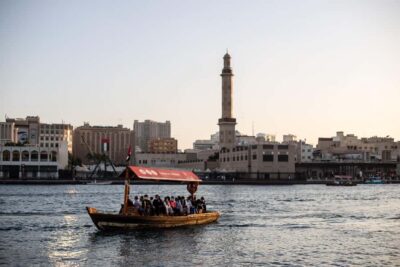
Old Town, Creek, Museums, Souks, & Street Food Tour
Read our review →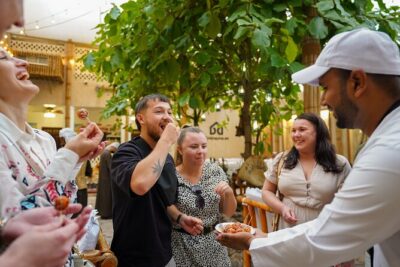
Old Town, Souks, Street Food, Guided Tour & Abra Ride
Read our review →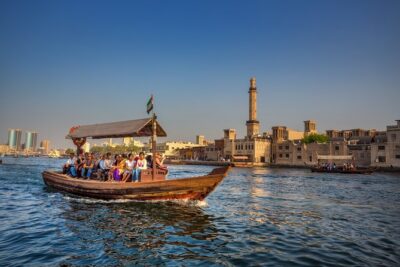
Frame Tickets, Creek, Souks & Blue Mosque Guided Tour
Read our review →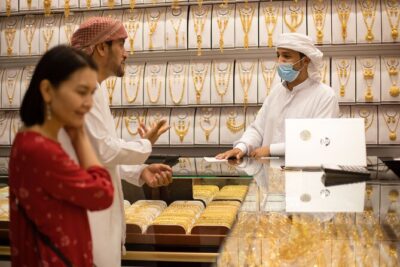
Dubai Aladdin Tour: Souks, Creek, Old Dubai and Tastings
Read our review →
Half-Day City Tour with Blue Mosque, Creek, and Souks
Read our review →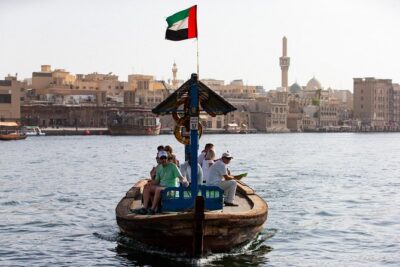
Dubai Half-Day City Tour with Visit to Dubai Gold Souk
Read our review →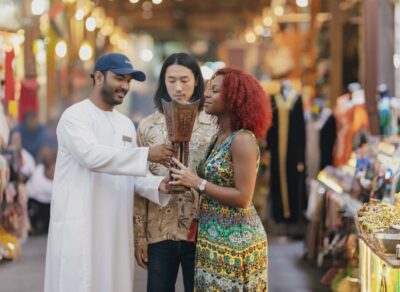
Old Town, Street Food, Creek, Souks, & Emirati House
Read our review →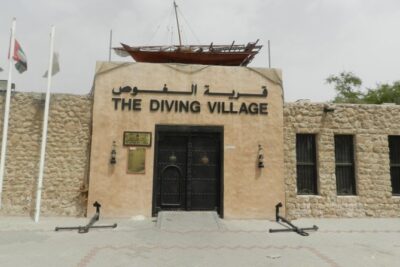
Dubai City Tour: Old & New Dubai Abra Ride, Palm Island, Souks
Read our review →Browse the lists this tour appears in