
Reviewed · MUSEUMS
Dubai: Al Shindagha Museum Entry Ticket
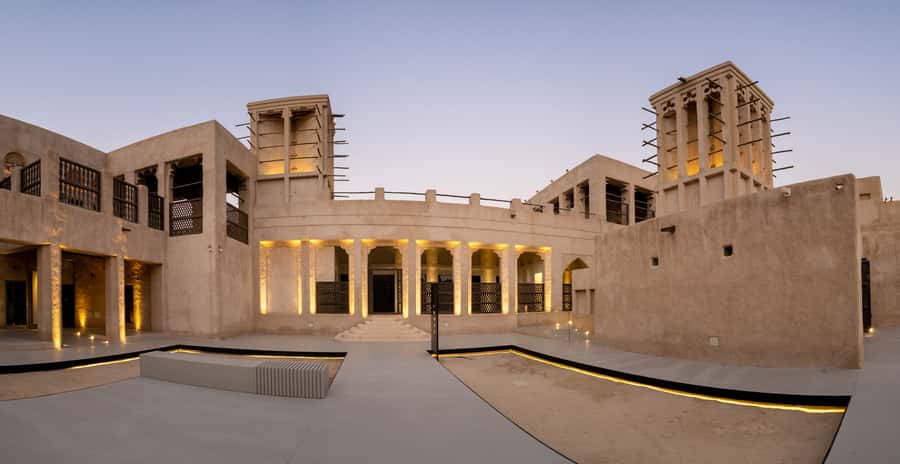
Al Shindagha Museum tells Dubai’s story through houses rather than one large gallery. You move through former residences and themed spaces beside Dubai Creek, seeing how a small creekside community developed into the modern UAE. The Al Maktoum Residence is the anchor, while interactive displays bring daily life, trade, faith, crafts, and the sea into view.
I like the wide range of subjects and the fact that the museum is spread across a historic neighborhood instead of being packed into one building. I also like the modern presentation, including multi-sensory installations and virtual reality features. The main drawback is simple: with more than 20 houses to explore, you may need to choose your priorities rather than see every corner at a relaxed pace.
Key points to know before you go
- Al Maktoum Residence: Visit the former home of Sheikh Saeed Al Maktoum, who lived there until 1958.
- More than 20 heritage houses: Exhibits cover Dubai Creek, perfume, jewelry, food, navigation, poetry, healthcare, and more.
- A modern museum in a historic setting: Interactive displays and virtual reality sit alongside traditional architecture and heritage themes.
- Dubai Creek location: The museum is in Al Shindagha, one of Dubai’s most important historic neighborhoods.
- Five guide languages: English, Arabic, Chinese, Russian, and French are available.
- Flexible one-day ticket: Admission costs $13 per person, with free cancellation up to 24 hours before the visit.
Why Al Shindagha explains Dubai better than a standard city museum
Dubai can sometimes feel like a city built at high speed, with glass towers and new attractions appearing almost overnight. Al Shindagha Museum gives you the other half of the story. It shows the people, skills, beliefs, and working life that shaped Dubai before the modern boom.
The museum is located beside Dubai Creek in Al Shindagha, a historic district closely tied to the city’s early growth. That setting matters. You are not looking at heritage as a detached display. The houses themselves form part of the story, and the creek helps explain why trade, boats, fishing, travel, and migration mattered so much.
I find this approach more useful than a simple timeline of rulers and construction projects. The museum asks you to look at Dubai through ordinary activities: preparing food, making perfume, treating illness, navigating water, creating jewelry, and preserving poetry. Those subjects show how a community functioned day by day.
The museum also links the past with the present. Its stated aim is not to freeze Emirati culture in an old-fashioned picture. Instead, it presents the resilience, invention, and desire for progress that helped form the contemporary UAE.
A few more things to do in Dubai worth a look
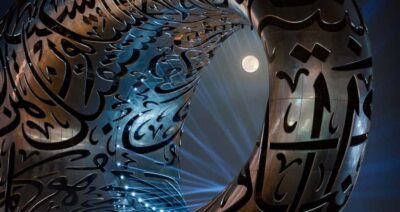
- Dubai: Museum of the Future Admission Ticket
★ 4.3 · 21,464 reviews - Dubai: Old Town, Creek, Museums, Souks, & Street Food Tour
★ 4.8 · 10,816 reviews - From Dubai: Abu Dhabi Grand Mosque & Louvre Museum Full-Day
★ 4.8 · 6,227 reviews
Beginning at the Visitor Center
Your visit starts at the Visitor Center, which provides the entry point to the wider museum district. Since the experience covers many houses, this first stop is useful for getting your bearings and deciding how to spend your day.
The museum is presented as a network of connected heritage houses rather than a single straight route. You can expect to move between different themes, with each house offering a separate angle on Emirati life. Some subjects will appeal more to you than others, so a quick look at the available themes can help you build a sensible route.
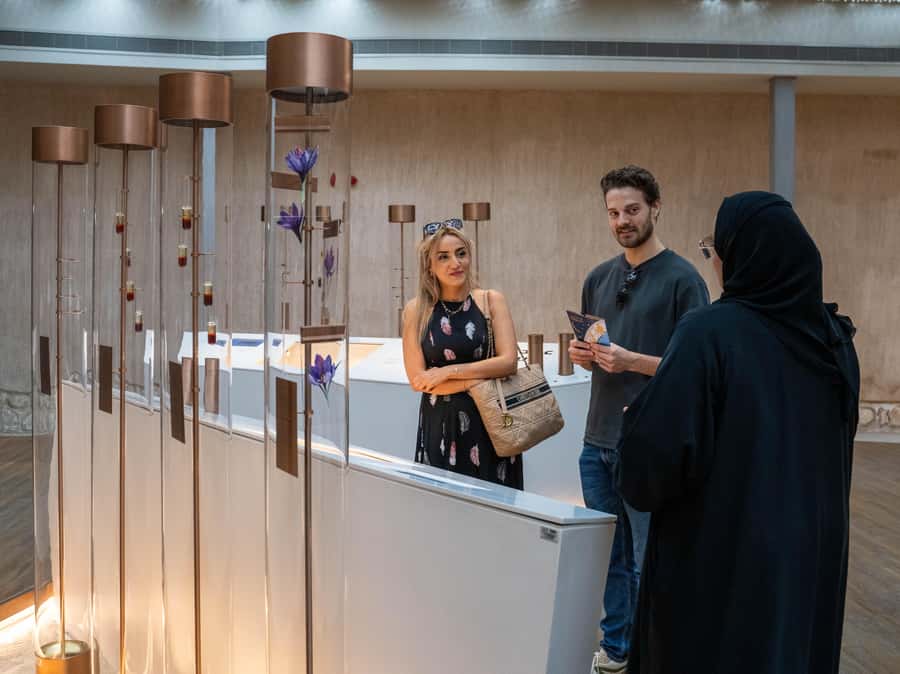
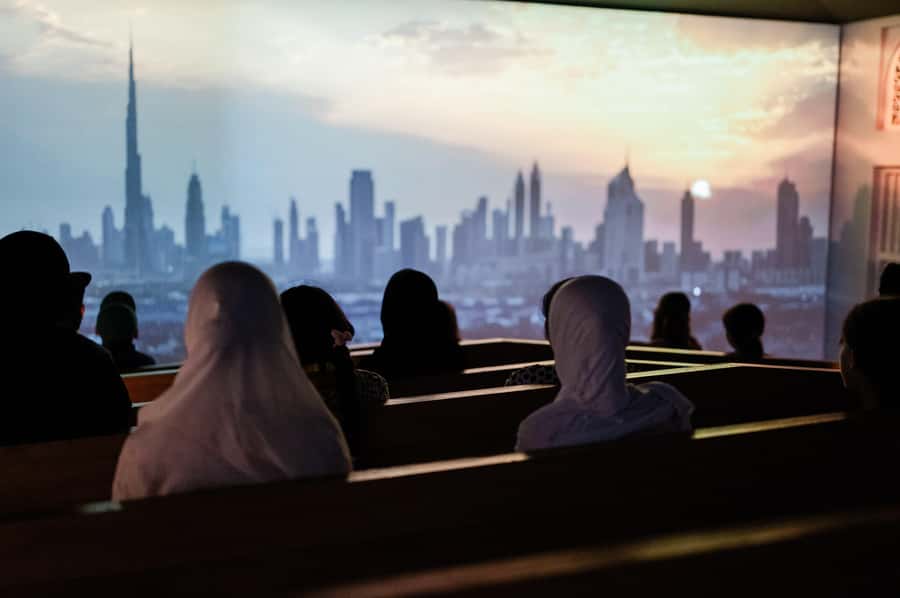
The museum includes innovative multi-sensory installations, interactive content, and virtual reality technology. These features are especially useful if you prefer learning through images, sound, and participation instead of reading long panels.
That modern approach also makes the museum a good choice for mixed groups. Children can respond to the hands-on elements, while adults can spend more time with the historical and cultural material. The Children’s Pavilion gives younger visitors a dedicated space, although the supplied information does not specify its exact activities.
Al Maktoum Residence and Dubai’s ruling family
The Al Maktoum Residence is one of the most important stops. It was originally home to the Al Maktoum Family and to Sheikh Saeed Al Maktoum, the Dubai ruler of that period, until 1958. Sheikh Saeed was the grandfather of Sheikh Mohammed bin Rashid.
This house gives the museum a personal center. Instead of viewing Dubai’s development only through broad economic changes, you see a residence connected to the family that guided the emirate through a major period of transformation.
I would make this one of your first priorities, especially if you have limited time. The residence provides context for the many other houses, because it connects the wider story of Dubai to leadership, family, and the physical setting of the old city.
Do not expect the residence alone to explain everything. Its strength is as one part of the wider museum. The most useful visit comes when you pair it with houses about trade, faith, community life, and the growth of the city.
Dubai Creek: the setting that shaped a city
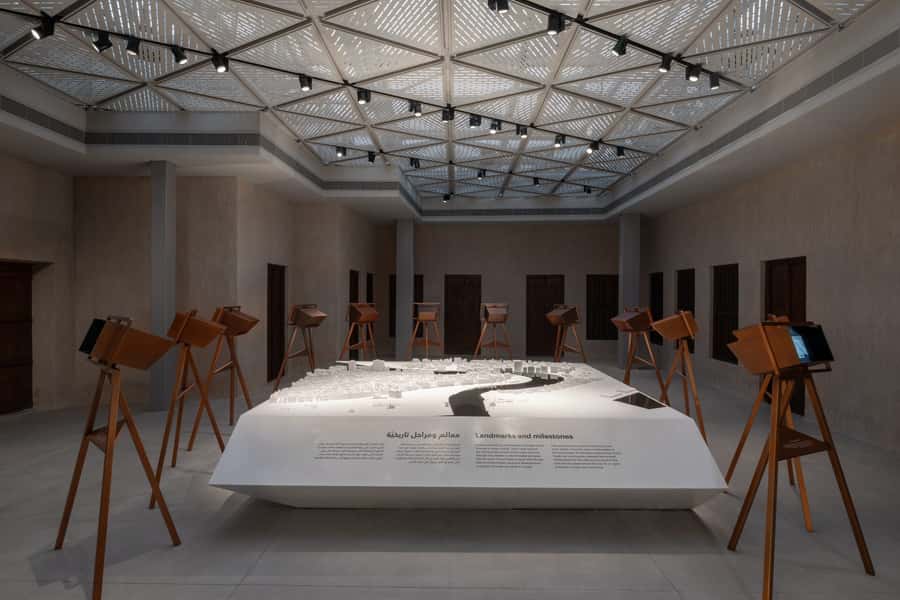
The Dubai Creek: Birth of a City house focuses on the waterway at the heart of old Dubai. The museum’s location beside the creek gives this subject extra weight. Here, the creek is not just scenery. It helps explain why the settlement developed as a place of movement, exchange, and work.
The Trade and Journeys house expands this idea. It looks at travel and commerce, showing how Dubai’s links with other places helped shape its identity. This is one of the strongest themes for understanding why the city became a major commercial center.
Navigation adds another piece to the story. The subject may appeal to you if you like practical history, because it focuses on the skills needed to travel and work across water rather than treating the sea as a romantic backdrop.
The Culture of the Sea house widens the view again. Together, these exhibits connect the creek to boats, travel, livelihoods, and regional exchange. You begin to see modern Dubai as a continuation of older habits of movement and enterprise, not as an entirely new creation.
Same base, a different sort of day:
- Dubai: Burj Khalifa Levels 124 & 125 Entry Ticket + Options
★ 4.3 · 90,891 reviews - Dubai: Desert Safari, Quad Bike, Camel Ride & Al Khayma Camp
★ 4.9 · 68,962 reviews - Dubai: Desert Safari, Quad Bike, Camel Ride and Sandboarding
★ 4.9 · 43,505 reviews - Dubai: Safari, Quad Bike, Camel Ride, and Buffet Dinner
★ 4.9 · 33,424 reviews
Perfume, jewelry, crafts, and personal style
The Perfume House explores one of the most recognizable parts of Gulf culture. Fragrance is treated as more than a pleasant scent. It is tied to personal presentation, hospitality, tradition, and identity.
Traditional Jewelry and Beauty and Adornment look at how people expressed status, taste, and belonging. These subjects can be especially rewarding because small objects often reveal social customs more clearly than a large monument does.
Traditional Crafts adds the working side of the story. You may find displays connected with making, tools, and inherited skills. The museum also offers bespoke workshops and training, though the ticket information does not specify which workshops are included with standard admission. If a hands-on session matters to you, check what is available before booking.
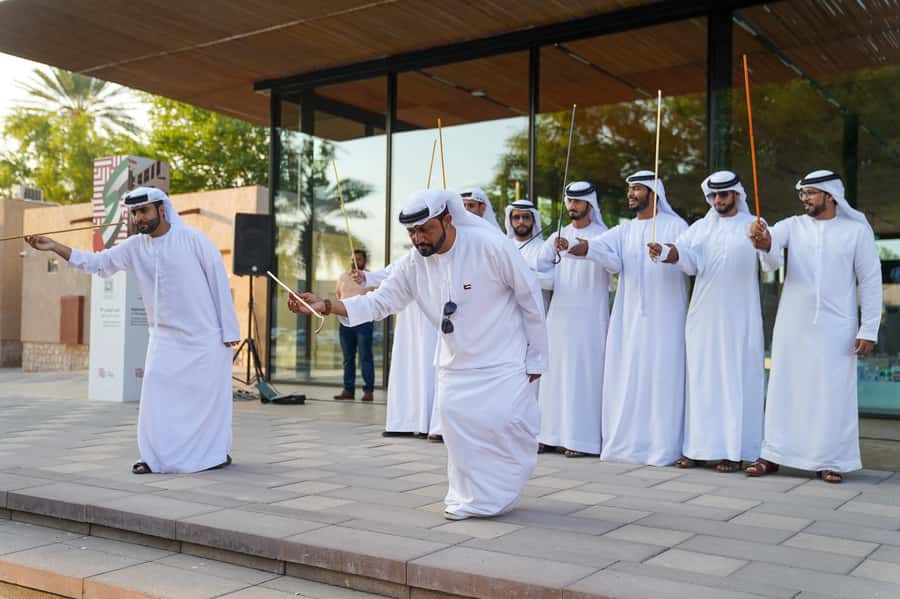
Expressions and Poetry move the museum into artistic and verbal culture. Poetry has long been an important form of expression in the region, and its inclusion helps keep the museum from becoming only a display of buildings and objects.
Food, healthcare, faith, and community life
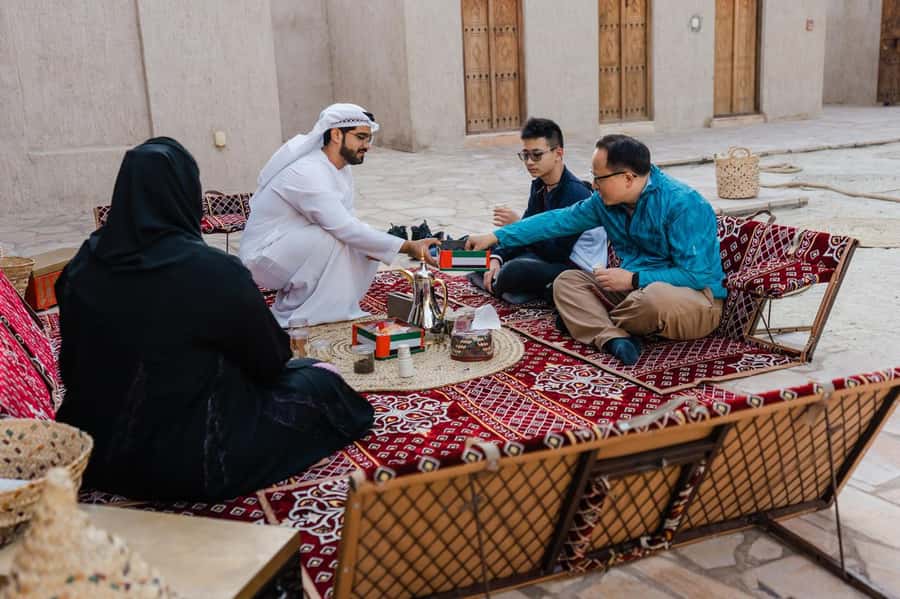
Traditional Food offers a practical look at daily life. Food tells you about available resources, family habits, hospitality, and the relationship between land and sea. It is one of the most accessible themes for children and adults alike because you can connect it to familiar experiences.
Traditional Healthcare examines older approaches to wellbeing and treatment. This house is valuable because it shows how communities cared for themselves before modern medical systems became widespread. The supplied information does not identify particular remedies or objects, so I would approach it as a broad cultural exhibit rather than expect a detailed medical demonstration.
People and Faith adds a social and spiritual dimension. It helps place family routines, community values, and religious life within the wider story of Dubai.
Community Hall is another useful stop because it shifts attention from the household to shared life. It suggests how people gathered, exchanged ideas, and maintained relationships. These exhibits work best together. Food, healthcare, faith, and community are not separate parts of life, and the museum lets you consider them side by side.
Life on land, flora, and the growing city
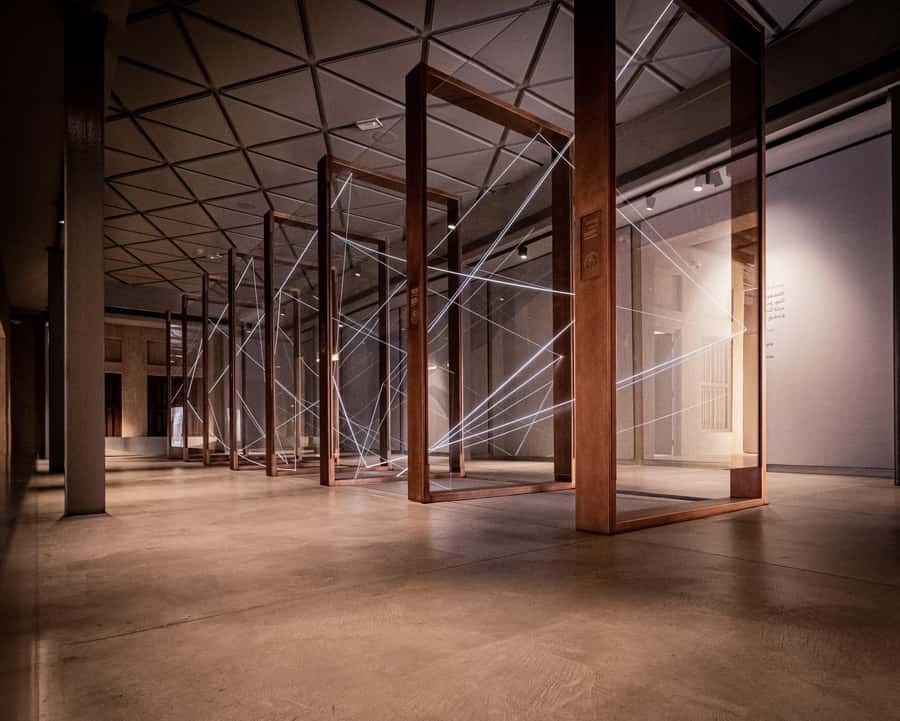
Life on Land and Water, Fauna and Flora broaden the story beyond buildings and commerce. They focus attention on the natural conditions that shaped life in the region.
These houses can help you understand that Dubai’s past was not simply a story of urban development. People had to adapt to land, water, weather, plants, and animals. That adaptability is part of the larger message of resilience running through the museum.
Emerging City then points toward change. It links older patterns of life with the growth of modern Dubai. This may be one of the most useful stops for first-time visitors because it places the city you see today within a much longer process.
The museum does not present progress as a clean break from the past. Instead, it shows how ideas, skills, and social habits carried forward. That makes the modern city easier to understand, even if you are mainly visiting Dubai for its newer attractions.
The museum’s interactive side
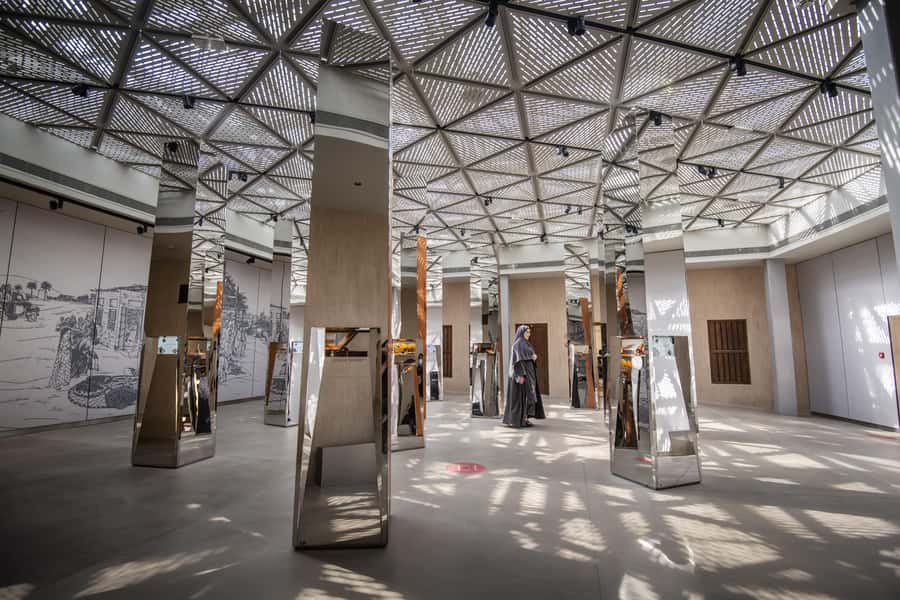
Al Shindagha Museum is not a quiet collection of old objects behind glass. Its installations are designed to engage more than one sense, and virtual reality is part of the presentation.
I like this because the subject matter can otherwise feel distant. Trade routes, old working methods, and the growth of a city are easier to grasp when you can see, hear, or interact with the material.
The modern technology is also a reason to allow enough time. A quick pass through the houses may give you the main idea, but the interactive features reward a slower pace. At the same time, technology can feel uneven if you prefer traditional museums with objects and written explanation as the main focus.
This is a museum that works for different learning styles, but it is not necessarily the best match for someone seeking a small, quiet collection that can be finished in an hour. Its scale is part of the appeal and part of the challenge.
How much time should you allow?
The ticket is valid for one day, but the information does not set a fixed visit length. That flexibility is helpful because the museum contains more than 20 houses and covers a large range of topics.
If you have only a short window, focus on the Visitor Center, Al Maktoum Residence, Dubai Creek: Birth of a City, Trade and Journeys, Culture of the Sea, and Emerging City. Add one or two subjects that match your interests, such as perfume, traditional food, crafts, or poetry.
With more time, you can make a fuller circuit and compare related themes. For example, Traditional Jewelry works well with Beauty and Adornment, while Navigation pairs naturally with Culture of the Sea and Trade and Journeys.
I would avoid treating the museum as a checklist. The houses are more useful when you pause to connect them. A rushed attempt to see every space may leave you with a blur of themes, while a selective visit can give you a clearer sense of Dubai’s development.
Price, languages, and practical value
At $13 per person, the ticket is reasonably priced for a museum spread across a historic neighborhood with more than 20 houses. The value is strongest if you plan to spend a substantial part of the day there rather than make a very short stop.
The ticket includes entry. Guide languages listed for the experience are English, Arabic, Chinese, Russian, and French. That range is useful for families and groups who do not want to rely only on English text.
The museum is wheelchair accessible, which makes the experience easier to consider for visitors with mobility needs. The supplied information does not provide detailed route or facility notes, so anyone needing specific access arrangements should confirm them before arrival.
You can reserve now and pay later, which gives you some flexibility when planning. Free cancellation is available up to 24 hours in advance for a full refund. The activity is provided by TALENTS UAE.
Who will enjoy Al Shindagha Museum most?
I would recommend this museum to you if you want context for Dubai beyond skyscrapers, shopping, and large modern attractions. It is also a good choice if you enjoy museums organized around daily life, family history, crafts, food, and the relationship between a city and its waterways.
Families may appreciate the mix of interactive displays and the Children’s Pavilion. History-minded visitors will likely spend more time in the residence, creek, trade, navigation, and emerging city houses.
The museum may be less suitable if you want a short attraction with one central exhibit. Its size demands some planning, and the many themes can feel scattered if you move through them without a rough plan.
Should you book this museum ticket?
Book it if you want to understand how Dubai developed and you have enough time to explore more than one or two houses. The combination of Al Maktoum Residence, Dubai Creek themes, daily-life exhibits, and modern interactive technology gives you a broad picture of Emirati identity.
The $13 price is fair, especially for a full-day ticket covering a large museum district. I would choose it over a quick visit only if you are willing to slow down and connect the exhibits. If your schedule is tight, select your priority houses in advance and treat the museum as a focused history visit rather than trying to see everything.
FAQ
Where is Al Shindagha Museum located?
Al Shindagha Museum is located beside Dubai Creek in the historic Al Shindagha neighborhood of Dubai, United Arab Emirates.
How much does admission cost?
The ticket costs $13 per person.
How long is the ticket valid?
The ticket is valid for one day. You should check availability for the available starting times.
What does the ticket include?
The ticket includes entry to Al Shindagha Museum.
How many heritage houses can I visit?
The museum includes more than 20 heritage houses. The detailed information describes 21 houses and also identifies 22 unique exhibit houses, so the safest way to understand the experience is as a large group of connected heritage spaces.
Is Al Maktoum Residence included?
Yes. Al Maktoum Residence is part of Al Shindagha Museum. It was the former home of the Al Maktoum Family and Sheikh Saeed Al Maktoum until 1958.
What languages are available?
Guide languages include English, Arabic, Chinese, Russian, and French.
Is the museum wheelchair accessible?
Yes. The experience is listed as wheelchair accessible.
Can I cancel the booking?
Yes. You can cancel up to 24 hours in advance for a full refund.
Can I reserve now and pay later?
Yes. The booking option allows you to reserve your place and pay later.
Just added in Dubai
- Dubai: Jet Ski 30Min & 30Min Jet Car Burj Al Arab Adventure★ 5.0 · 9 reviews
- Combo: 30-Min Jet Ski to Burj Al Arab & Solo Parasailing★ 5.0 · 12 reviews
- Dubai SuperSaver Pass★ 4.2 · 22 reviews
- Dubai: Jet ski & Flyboard in Dubai Free Ice Cream★ 4.8 · 41 reviews
- City Sightseeing Dubai HOHO Bus Tour, Aquaventure & More★ 4.4 · 26 reviews
- Classic Dubai City Tour★ 4.3 · 13 reviews
- Burj Al Arab: 2-Hour Yacht Tour with BBQ Dinner★ 4.6 · 44 reviews
- Burj Khalifa VIP Lunch – Michelin Dining & Porsche Transfer★ 4.8 · 89 reviews
Museums, compared.
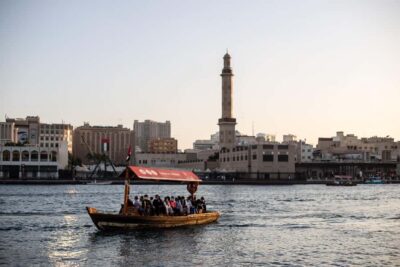
Old Town, Creek, Museums, Souks, & Street Food Tour
Read our review →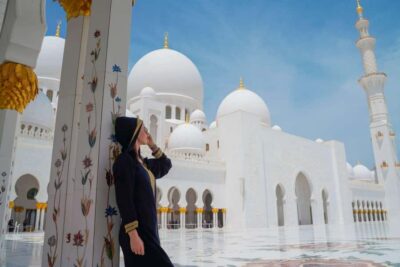
Abu Dhabi Grand Mosque & Louvre Museum Full-Day
Read our review →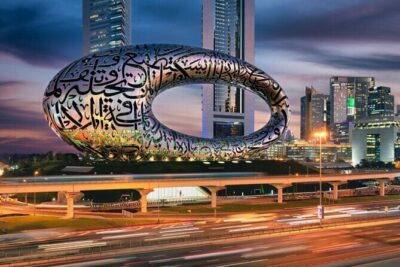
Future Museum, Burj Al Arab, and Dubai Frame Tour
Read our review →
Browse the lists this tour appears in