
Reviewed · OLD DUBAI, SOUKS & ABRA RIDES
Old Dubai tour: Local Market, Tasting, Dubai creek with Abra ride
Dubai’s modern skyline tells only half the story. This small-group walk takes you through Al Fahidi’s wind-tower lanes, across Dubai Creek by wooden abra, and into the Spice and Gold Souks, where the city’s older trading life is still visible. I like the traditional boat crossing and the chance to see several historic districts in one outing.
I also like the guides who have earned special praise, including Hichem, Mahmoud, Abdullah, and Azzem. They explain religion, customs, trade, and the growth of Dubai in a way that can make a short walk feel worthwhile. The main caution is that museum access and the amount of time spent shopping can vary, and the heat can make the three-hour walk tiring.
Key points to know before you go
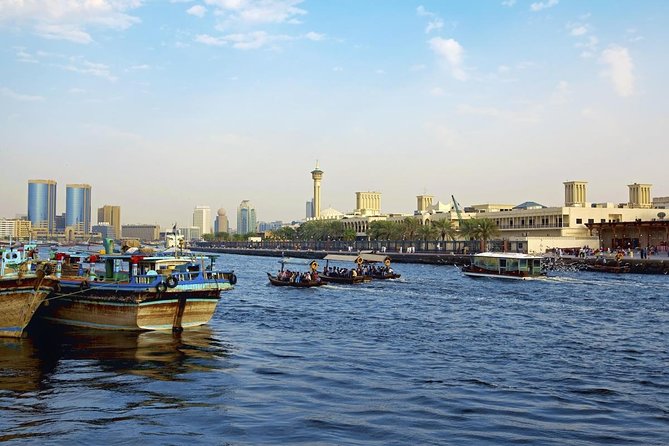
- A compact Old Dubai route: Cover Al Seef, Al Fahidi, Bur Dubai, Dubai Creek, Deira, and both major souks in about two to four hours.
- The abra ride is included: Cross Dubai Creek in a traditional wooden boat rather than treating the waterway as a distant photo backdrop.
- Small groups help: The maximum group size is 10, giving you a better chance to ask questions and hear the guide.
- Guides shape the experience: Hichem, Mahmoud, Abdullah, and Azzem have been especially praised for humor, patience, cultural insight, and clear explanations.
- Museum visits need checking: The Coins Museum is described as reopening soon, while Dubai Museum access has not always been available.
- The tour ends at the Gold Souk: There is a taxi stop and metro station nearby, but transport back to your hotel is not included.
Why this is a useful introduction to Old Dubai
At $22.33 per person, this is priced as an affordable orientation walk rather than a luxury sightseeing program. The value comes from the route: you get a guide, bottled water, a camel milk chocolate tasting, the abra fare, and a sweep through the oldest commercial areas of Dubai.
You could walk much of this route independently. The Old Souk, Creek, Spice Souk, and Gold Souk are public areas, and the abra is inexpensive. The reason to book is the explanation. A good guide links the wind towers, pearl trade, mosque, markets, and Creek into one story instead of leaving you to guess what you are seeing.
The small-group format matters, too. With no more than 10 people, the guide can answer questions and keep the group together in narrow lanes. Several guides have been praised for making the past understandable and fun, especially Hichem and Mahmoud. Abdullah has also been singled out for his warm manner and willingness to answer questions.
This is not a polished bus tour with a long list of grand interiors. It is a walking route through a compact part of town, with some indoor stops and some time in open markets. Go expecting context, local transport, shopping streets, and a taste of older Dubai rather than a full museum program.
Other trips through the old quarter in Dubai:
- Dubai: Old Town, Creek, Museums, Souks, & Street Food Tour
★ 4.8 · 10,816 reviews - Dubai: Old Town, Souks, Street Food, Guided Tour & Abra Ride
★ 4.9 · 7,170 reviews - Dubai: Frame Tickets, Creek, Souks & Blue Mosque Guided Tour
★ 4.8 · 5,980 reviews
Starting beside Dubai Creek at Al Seef
The meeting point is the Al Fahidi Marine Transport Station information and ticket office, beside Dubai Creek and D84 in Bur Dubai. That location puts you near Al Seef, a waterfront district built around traditional-looking architecture, restaurants, shops, and views across the water.
The tour allows about 15 minutes at Souk Al Seef. This is a gentle beginning, useful for getting your bearings before entering the older quarter. Al Seef mixes new construction with old-style façades, so it is not the same as walking through a preserved nineteenth-century neighborhood. Still, it helps show how Dubai presents its heritage today.
You can expect a short introduction to the Creek and its role in trade. The waterfront is also a good place to settle into the pace of the tour. Bring water, use sun protection, and wear shoes suitable for several hours on foot.
Al Fahidi’s wind towers and narrow lanes
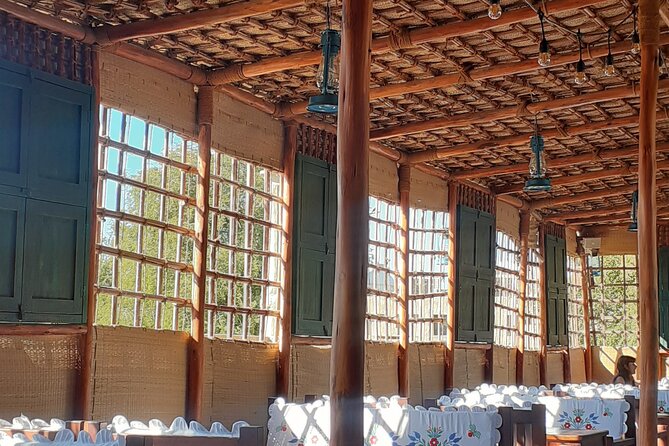
The strongest part of the route is Al Fahidi Historical Neighbourhood, also known as Al Bastakiya. You spend about 35 minutes here, walking through lanes lined with traditional homes and wind towers. These towers were designed to catch air and move it through the house, a practical reminder that older Dubai was shaped by the desert climate long before modern cooling systems.
This district represents Dubai from about the mid-1800s through the 1970s, before oil wealth transformed the city. You might see art spaces, cultural buildings, courtyards, and restored homes. Some portions are air-conditioned, which makes a real difference in hot weather.
The guide’s commentary is particularly useful here. The buildings are attractive, but the architecture alone does not explain how families lived, how homes were arranged, or why the Creek mattered. Guides such as Hichem and Mahmoud have been praised for connecting those details to Emirati culture, religion, and the rapid growth of the United Arab Emirates.
The pace can feel quick if you want to photograph every doorway. You have several stops ahead, so treat this as an introduction rather than a slow architectural study.
Coins, forts, and the question of museum access
The Coins Museum is a small but unusual stop. It contains more than 470 rare coins from important periods in Middle Eastern monetary history, including connections among the British Empire, India, and other countries before independence. The collection offers a different view of the region, one based on trade, currency, and political change rather than buildings alone.
The tour information says admission is free, but also notes that the museum will open soon. That means you should not assume the doors will be open on your date. If the Coins Museum is central to your plans, confirm its current status before booking.
The route also includes Dubai Museum and Al Fahidi Fort in the overall program. The fort dates from an earlier period of Dubai’s development, and the museum traditionally uses life-size scenes of homes, mosques, souks, date farms, and pearl-diving boats to show life before oil. Artifacts are described as dating as far back as 3000 BC.
Access has not always been available, however. Some tour participants found the museum closed and felt disappointed because they expected full indoor admission. This is the most important expectation to manage: you may receive historical commentary around the fort and neighborhood without getting the complete museum visit.
Same base, a different sort of day:
- Dubai: Burj Khalifa Levels 124 & 125 Entry Ticket + Options
★ 4.3 · 90,891 reviews - Dubai: Desert Safari, Quad Bike, Camel Ride & Al Khayma Camp
★ 4.9 · 68,962 reviews - Dubai: Desert Safari, Quad Bike, Camel Ride and Sandboarding
★ 4.9 · 43,505 reviews - Dubai: Safari, Quad Bike, Camel Ride, and Buffet Dinner
★ 4.9 · 33,424 reviews
A brief look at Bur Dubai Grand Mosque
The Bur Dubai Grand Mosque receives about 15 minutes. Its 70-meter minaret, geometric decoration, Quranic inscriptions, and stained glass make it one of the more recognizable religious buildings in this part of town.
The mosque began in 1900 as a school for Quranic studies and was rebuilt in 1960 and again in 1998. The stop is brief, so you should expect an exterior look and an explanation rather than an extended religious visit. Dress respectfully and follow the guide’s instructions about appropriate areas and behavior.
This pause helps place the neighborhood in its cultural setting. The tour is not only about old walls and shopping. Religion remains part of daily life in Dubai, and the mosque gives the guide a natural point from which to explain customs and local traditions.
Browsing the Old Souk in Bur Dubai
The Old Souk gets around 25 minutes. Its covered lanes carry fabrics, raw silk, wool, cashmere, perfumes, spices, dry fruits, abayas, thawabs, scarves, and tailored clothing. This is a good place to look at the range of goods associated with Dubai’s older trading culture.
The short time limit is both useful and restrictive. It keeps the tour moving, but it does not leave much room for careful bargaining or a major purchase. If you want to shop seriously, note the stores that interest you and return after the tour.
Sales approaches can be persistent in the markets. You can be polite and firm, and you do not need to accept an invitation to enter every shop. Some tours include tastings and shopping-related stops, so ask the guide which parts are optional before you commit time or money.
Crossing Dubai Creek by abra
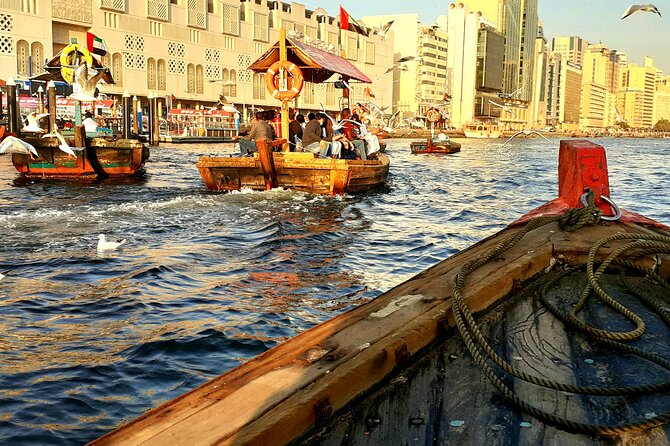
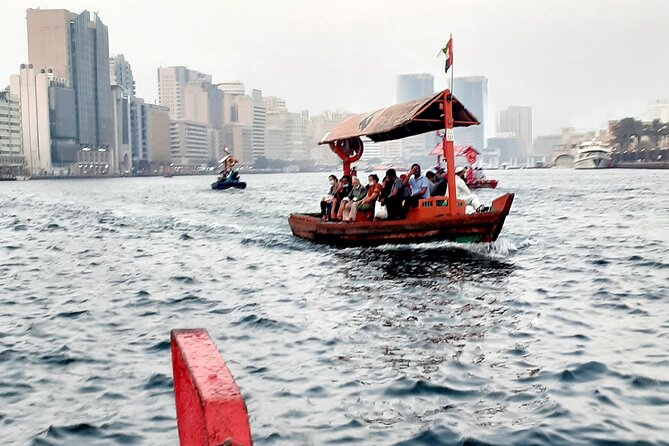
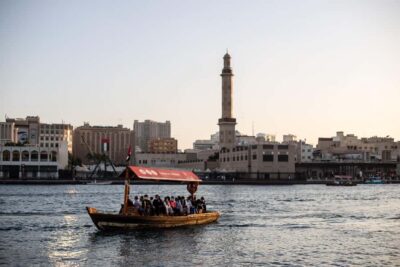
The abra ride is only about five minutes, but it is one of the most memorable parts of the outing. These wooden passenger boats have long connected Bur Dubai and Deira, and the crossing gives you a simple view of the Creek’s working role.
Look across the water at the contrast between old waterfront buildings, cargo activity, modern towers, and passing boats. The trip is short, so keep your camera ready, but do not expect a sightseeing cruise. This is public transport with local character, not a long narrated boat excursion.
The crossing also makes the itinerary feel coherent. You begin on the Bur Dubai side, learn about old neighborhoods and trade, then move to Deira, where the spice and gold markets developed as major commercial centers.
Spices, perfumes, and shopping pressure in Deira
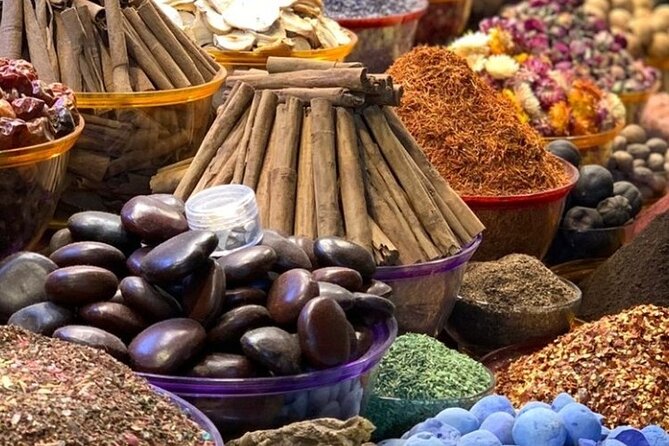
The Dubai Spice Souk receives about 25 minutes. Expect sacks, jars, dried fruit, nuts, herbs, spices, and traditional perfumes. The smells can be strong, and the market is more about browsing and bargaining than quiet observation.
The guide may explain how spices and fragrances fit into regional cooking and daily life. You may also receive a tasting, including camel milk chocolate. Snacks are included only if you select the option that includes them, so check your booking choice carefully.
This is another place where the experience depends on how the group is handled. Some people appreciate a shop introduction and the chance to sample products. Others dislike being directed toward particular stores or feeling pushed to buy. You can enjoy the market without purchasing anything, and you should feel free to say so.
The heat can be intense, especially when you have already walked through Al Fahidi and Bur Dubai. Drink the provided water and use the indoor pauses when available. A morning or cooler-season departure will generally be more comfortable, though the supplied schedule does not promise a particular time of day.
Finishing at the Gold Souk
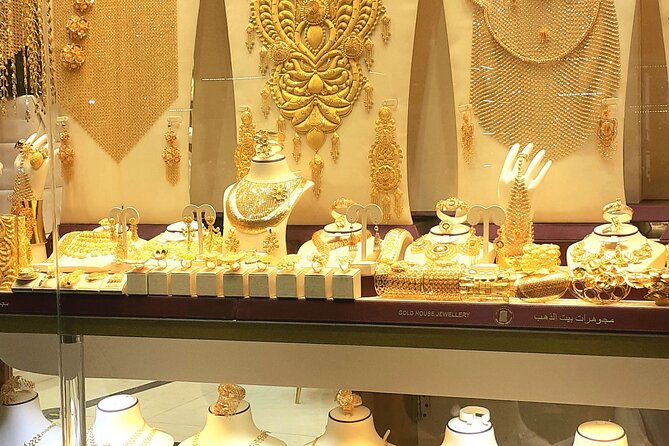
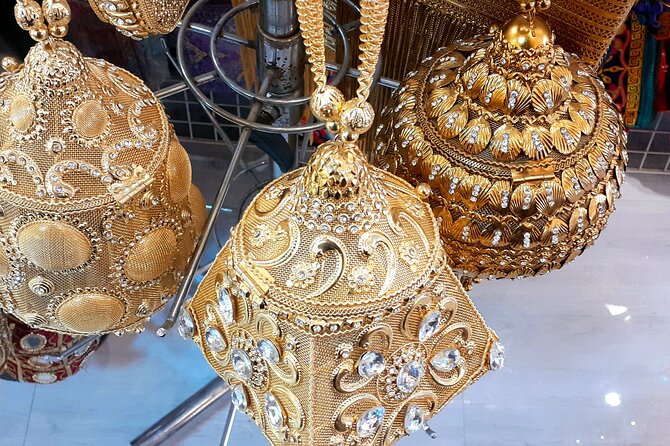
The final stop is the Gold Souk, with about 20 minutes set aside. More than 350 retailers are described in the market, selling gold, diamonds, precious stones, pearls, platinum, and silver. Even if you buy nothing, the rows of elaborate jewelry make this a striking finish.
Prices for gold are tied to market rates, while workmanship and design affect the final cost. If you shop, compare several stores and ask clearly about the weight, purity, making charge, and total price. Cash bargaining may be useful, but do not feel obliged to make a purchase simply because you joined a tour.
The tour ends here in Deira, not back at your hotel. A taxi stop and metro station are nearby, which makes onward travel fairly practical. Plan your route before the walk, especially if you are carrying purchases.
Guides, group size, and the human factor
The strongest reports about this experience focus on the guide. Hichem has been praised for humor, patience, strong English, and the ability to explain the tour in both French and English. Mahmoud has been described as attentive, engaging, and skilled at making UAE history easier to follow. Abdullah has received praise for his cultural insight and personable style, while Azzem has been appreciated for explaining Arabic culture and history.
Names can change by departure, so you should not book solely on the hope of getting one particular person. Still, the pattern is clear: a good guide makes this route far more valuable. The streets themselves are easy to find, but the links between architecture, religion, trade, and modern Dubai are harder to see without help.
The maximum group size is 10. That is small enough for questions, but the walk may still feel rushed if the guide has to translate into more than one language or keep different shopping interests moving together.
Is this tour good value at $22.33?
For $22.33, the package offers a lot of territory. You receive a guide, bottled water, the abra ride, camel milk chocolate tasting, and a route covering two souks, Al Fahidi, Al Seef, the Creek, a mosque, and possible museum stops.
The value drops if you mainly want museum interiors or several hours of shopping. Museum closures can change the balance, and 20 to 25 minutes at each souk is enough for a look, not a relaxed buying session. You can also visit the markets independently for less.
I see this as a good first-day or second-day activity for someone who wants orientation. It gives you a practical map of Old Dubai and shows where you might return on your own. It is less suitable if you dislike sales pitches, struggle with heat, or want a slow, highly detailed museum visit.
Free cancellation is available up to 24 hours before the start time. Changes or cancellations within 24 hours are not refunded, and poor weather can lead to a new date or full refund. The activity is near public transport, and most people can participate, but expect a substantial amount of walking.
Should you book the Old Dubai walk?
Book it if you want an inexpensive, guided introduction to Dubai’s older neighborhoods, especially if you value explanation more than independent wandering. The abra crossing, Al Fahidi lanes, and Deira markets give you a clear sense of the city before its modern transformation.
Go with realistic expectations. Museum access may not be guaranteed, shopping time is limited, and the markets can feel sales-focused. If those points are acceptable, this is a practical way to connect several Old Dubai sights in a single morning or afternoon.
Skip it if you already know the Creek and souks well, or if you prefer to set your own pace. In that case, explore independently and spend longer at the places that interest you. For a first visit, though, the guide’s stories can make the $22.33 cost worthwhile.
FAQ
How long does the Old Dubai tour last?
The tour takes approximately two to four hours. The walking route includes several short stops, the abra crossing, and visits to the markets on both sides of Dubai Creek.
Where does the tour begin?
It begins at the Al Fahidi Marine Transport Station information and ticket office in Bur Dubai, beside D84 and Dubai Creek.
Where does the tour end?
The tour ends at the Dubai Gold Souk in Deira, in the Al Ras area. A taxi stop and metro station are nearby.
Is the abra ride included?
Yes. The traditional abra boat ride across Dubai Creek is included in the tour price.
How many people can join the group?
The maximum group size is 10 people.
Are museum admissions included?
The program includes the Coins Museum and Dubai Museum as listed stops, but access can vary. The Coins Museum is described as reopening soon, and Dubai Museum has not always been open during the tour.
Is food included?
Bottled water and a camel milk chocolate tasting are included. Snacks are included only if you select the option that provides them.
Is hotel drop-off included?
No. The tour ends at the Gold Souk, and transport back to your hotel is not included.
What is the cancellation policy?
You can cancel at least 24 hours before the start time for a full refund. Cancellations or changes made less than 24 hours before the start time are not refunded or accepted. If poor weather cancels the experience, you are offered another date or a full refund.
Just added in Dubai
- 2-Day City Tour: Dubai & Abu Dhabi + Yacht Experience★ 4.8 · 17 reviews
- Dubai: Hot Air Balloon with Camel, ATV, & Horse Ride Options★ 4.6 · 81 reviews
- Dubai Miracle Garden and Global Village Shopping Tour★ 5.0 · 107 reviews
- From Dubai: Fujairah Half-Day Scuba Dive and Snorkeling★ 4.7 · 186 reviews
- Abu Dhabi City Tour with Ferrari world Combo★ 5.0 · 123 reviews
- Abu Dhabi Tour With Ferrari World From Dubai★ 5.0 · 173 reviews
- Dubai Deep Sea Fishing 4 hours + BBQ of Catch★ 5.0 · 56 reviews
- Dhow Cruise Dubai with Buffet Dinner, Dance & Horse Show★ 5.0 · 94 reviews
Old Dubai, Souks & Abra Rides, compared.
Old Town, Creek, Museums, Souks, & Street Food Tour
Read our review →
Old Town, Souks, Street Food, Guided Tour & Abra Ride
Read our review →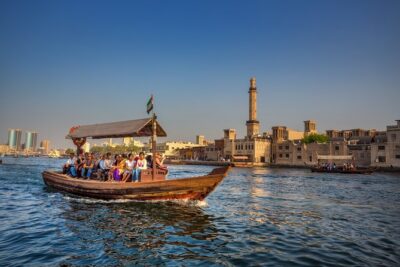
Frame Tickets, Creek, Souks & Blue Mosque Guided Tour
Read our review →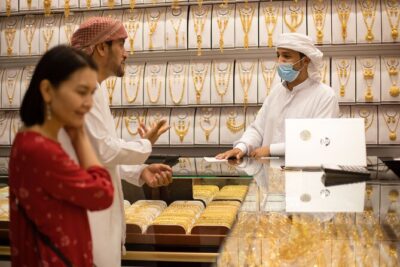
Dubai Aladdin Tour: Souks, Creek, Old Dubai and Tastings
Read our review →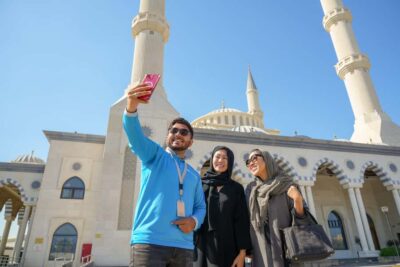
Half-Day City Tour with Blue Mosque, Creek, and Souks
Read our review →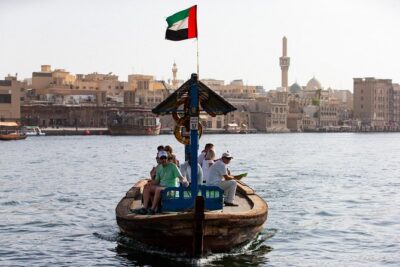
Dubai Half-Day City Tour with Visit to Dubai Gold Souk
Read our review →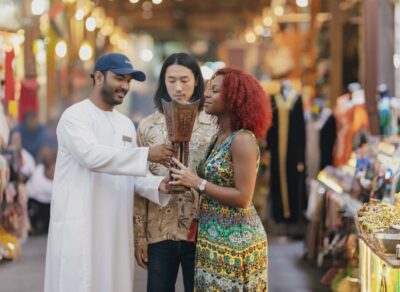
Old Town, Street Food, Creek, Souks, & Emirati House
Read our review →
Dubai City Tour: Old & New Dubai Abra Ride, Palm Island, Souks
Read our review →Browse the lists this tour appears in