
Reviewed · DESERT SAFARIS
Dubai: Dubai Safari Park Entry Pass
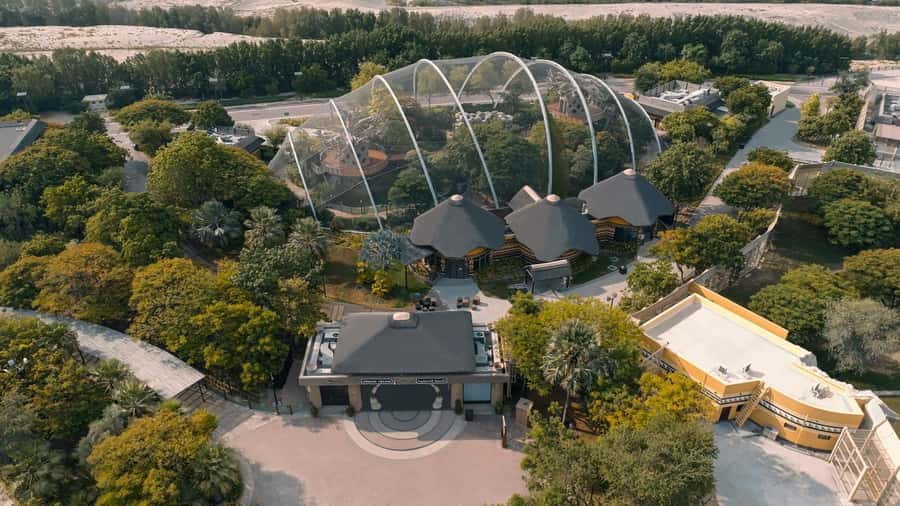
Dubai Safari Park gives you something unusual in Dubai: a full day among about 3,000 animals, with large themed zones instead of a quick indoor exhibit. You can move from Arabian desert habitats to African savannah settings, then stop at an Asian forest area or a child-friendly farm.
I like the generous space and the clear effort to create calm animal habitats. I also like the mix of quiet walking, short presentations, feeding sessions, and the optional bus safari. The main drawback is size: you need at least four to six hours, and the park can be hot enough that some animals stay out of sight.
Key points to know before you go
- The park covers 119 hectares, so allow most of a day rather than treating it as a quick stop.
- The Explorer Safari bus gets you closer to the animals and is worth considering if you do not want to walk the entire park.
- The free activities have set schedules, including three live animal presentations, wildlife talks, Young Explorers workshops, and selected feeding sessions.
- The African, Asian, Arabian, and Explorer villages each feel different, with animals grouped around habitats designed to resemble their natural homes.
- The $13 entry price is strong value, but some feeding sessions, encounters, the train, and transport options cost extra.
- Arrive early, especially if you want a full day, cooler conditions, or popular paid activities such as giraffe feeding.
A large animal park, not a quick Dubai attraction
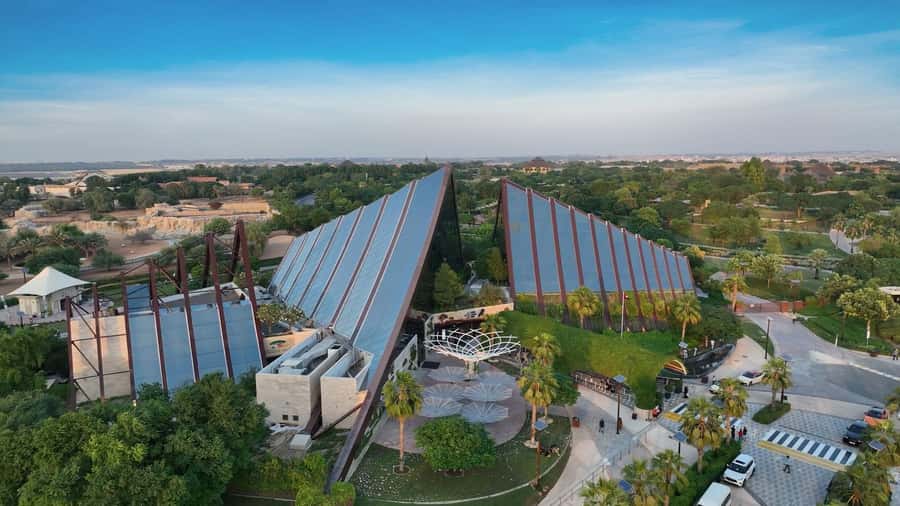
Dubai Safari Park sits in Al Warqa, away from the central cluster of Dubai attractions. That location matters. You are not stepping into a compact city zoo that can be covered in two hours. This is a large, spread-out park with several zones, paths, shaded rest areas, food stalls, toilets, and transport options.
I would plan your visit as a half-day at minimum and a full day if you want to see the presentations, walk through each village, stop for food, and take the Explorer Safari. One family arrived around noon and still had not seen everything by 4 pm. That is a useful warning: the size is part of the appeal, but it also requires a little planning.
The park is built around conservation, rehabilitation, and animal care. You will see rare and endangered animals brought from zoos in different parts of the world, along with many familiar species. The habitats are not wild, of course, but they are designed to provide more room and a calmer setting than a row of small enclosures.
The $13 entry price makes this one of Dubai’s more affordable full-day attractions. At that price, you receive admission and access to scheduled presentations and selected complimentary animal encounters. Check the exact ticket option before paying, because the Explorer Safari bus and train ride may be included only with certain tickets.
Other desert runs out of Dubai:
- Dubai: Desert Safari, Quad Bike, Camel Ride & Al Khayma Camp
★ 4.9 · 68,962 reviews - Dubai: Desert Safari, Quad Bike, Camel Ride and Sandboarding
★ 4.9 · 43,505 reviews - Dubai: Safari, Quad Bike, Camel Ride, and Buffet Dinner
★ 4.9 · 33,424 reviews
Starting in the Arabian Desert Zone
The Arabian Desert Zone is a good place to begin because it gives you an introduction to animals suited to the region. The basic admission includes a 15-minute safari tour in this zone, subject to the published schedule.
Do not expect an off-road desert expedition. This is a short park tour, not a dune-bashing trip. Its value is that you get a guided look at the animals without immediately committing to a long walk in the heat.
The desert setting also gives the park a useful local connection. Dubai Safari Park is not only displaying animals from Africa and Asia. It also presents species linked to the Arabian Peninsula and shows how wildlife can live in dry conditions.
If you arrive late, check the timing of this included tour before wandering too far. Last admission is 90 minutes before closing, and some zones may stop accepting new visitors before the official closing time. A careful plan keeps you from reaching the final area after its access has ended.
African Village: the biggest collection of animal encounters
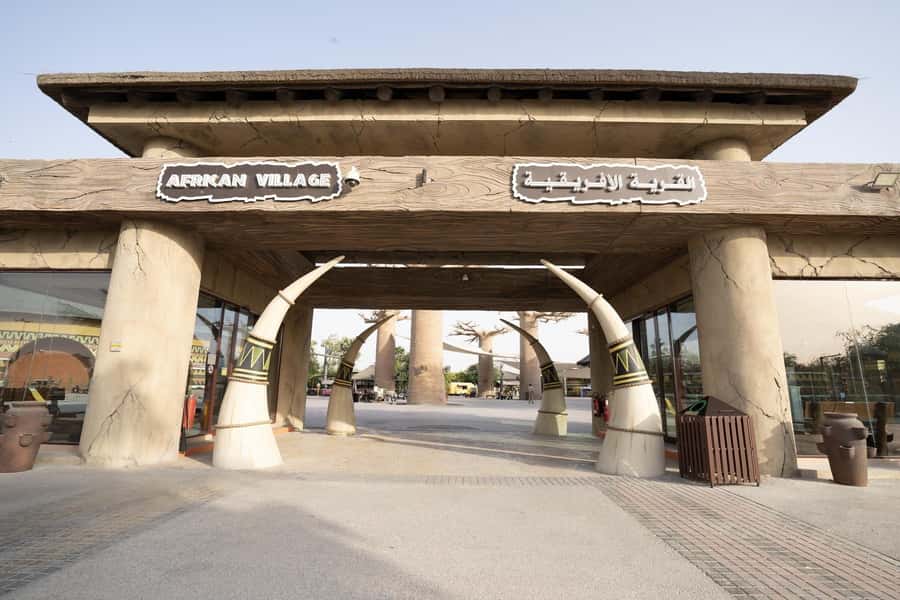
The African Village is likely to be one of your main targets. It features animals from the African continent, including some of the world’s largest land mammals alongside much smaller species.
The setting is designed around African habitats rather than a simple line of cages. That makes the visit more interesting, but it can also make animals harder to spot. The space is large enough for animals to move away from viewing points, and heat can keep some of them indoors or in shaded areas.
This is where the Explorer Safari can help. From the bus, you can cover more ground and get close views without walking between every enclosure. A bus guide points out animals and shares information as you go. Guides named Glenn and Flyvian have been singled out for friendly, clear explanations, although the guide assigned to your trip will depend on the day.
I would take the bus before spending too much energy walking. You can then return to areas that interest you most. One small limitation is that the bus may not stop long enough for every photo, especially in the African Village. Keep your camera ready, but listen to the guide rather than watching only through a screen.
The African Village is also a good example of the park’s central tradeoff. You get more spacious animal settings, but you may not see every creature instantly. This is closer to looking for wildlife than viewing animals arranged for guaranteed photographs.
Explorer Village and the optional bus safari
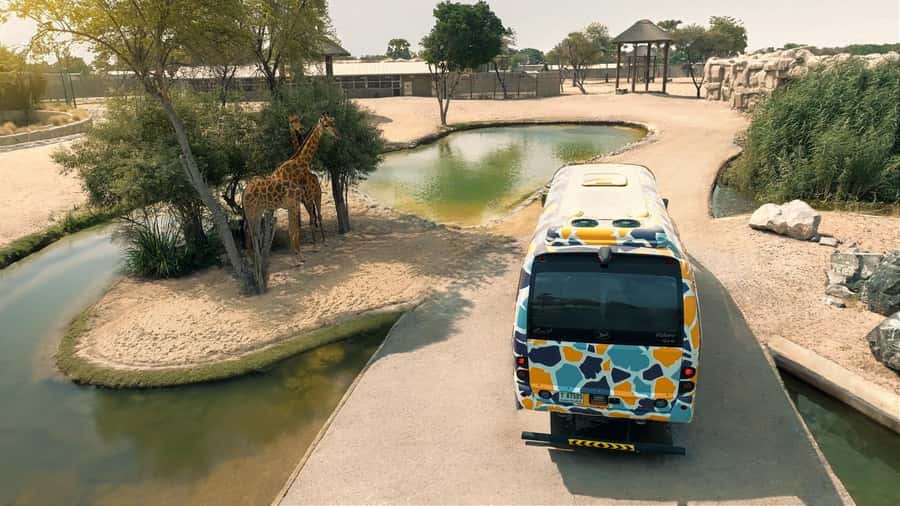
The Explorer Village is the practical heart of the park for many people. It is where you can board a safari bus and view animals from a closer range.
If your ticket includes the Explorer Safari, use it. If it does not, ask at the park counter about adding it. Several visitors found the bus the best part of the visit because it brings you close to animals across a broad area and saves walking time.
The ride is especially useful for families, older visitors, and anyone visiting during warmer months. The park has shade and misting fans, but Dubai heat still takes a toll. Sitting on a bus for part of the day lets you see more without turning the visit into a test of stamina.
The ride is not a private safari. You share the bus, follow its route, and have limited time for photos at viewing points. That is a fair exchange for covering a lot of ground and getting a guide’s explanation.
The separate train ride can also help you move between sections. It costs extra unless included in your ticket option. Signage and information about train types and departure times may not always be clear, so ask staff when you arrive rather than assuming every train serves the same route.
Same base, a different sort of day:
- Dubai: Burj Khalifa Levels 124 & 125 Entry Ticket + Options
★ 4.3 · 90,891 reviews - Dubai: Red Dune Safari, Quad Bike, Camel Ride, BBQ Dinner
★ 4.9 · 32,185 reviews - Dubai: Premium Safari, Camel Ride & Al Khayma Camp 3-Buffets
★ 4.9 · 30,335 reviews - Dubai: Burj Khalifa Sky Level 148, 124, & 125 Entry Ticket
★ 4.6 · 23,827 reviews
Asian Village and the live animal presentations
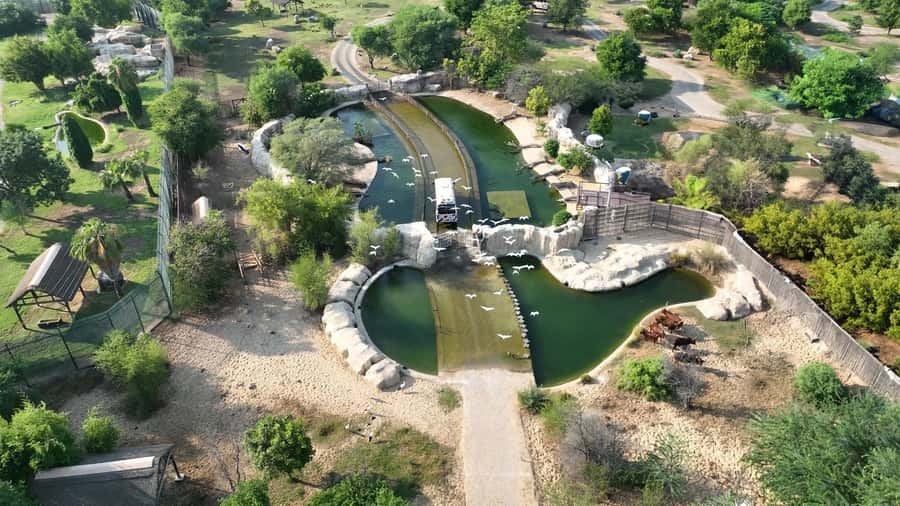
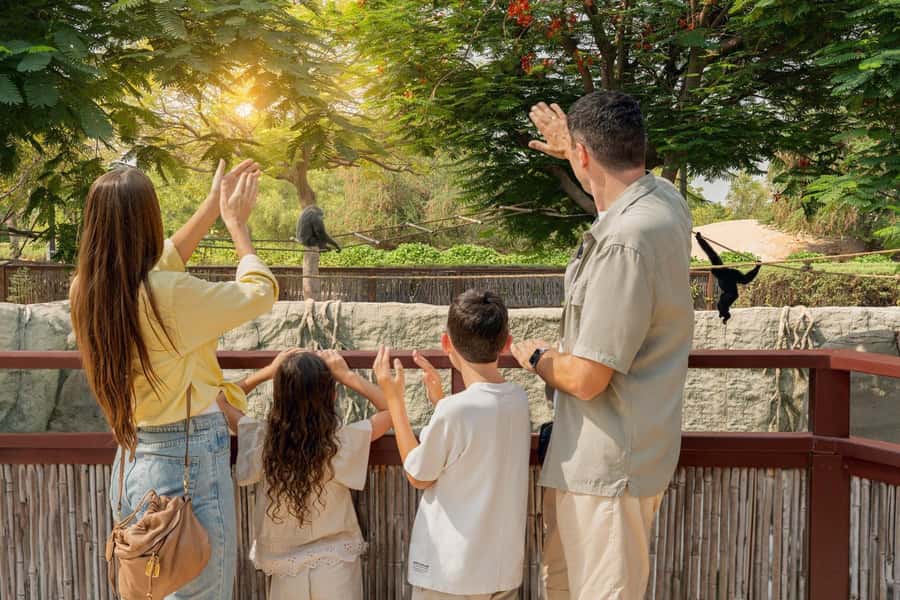
The Asian Village focuses on animals associated with Asian forests, ponds, and other regional habitats. It offers a different mood from the open African and Arabian zones, with animals often connected to wooded or waterside settings.
This area is a good place to slow down. You may find that some animals are resting, hidden, or less active during the hottest part of the day. That is normal for a large animal park, but it means you should not rush through expecting every species to appear on cue.
The Asian Village Theatre hosts educational animal presentations. Admission includes access to three live animal shows, with times set by the daily schedule. These presentations are useful if you want more than photographs. They explain animal behavior and give children a reason to watch closely rather than simply move from enclosure to enclosure.
Build your route around the show schedule. If you simply walk from zone to zone, you may miss a presentation and find that the next one is much later. The same applies to wildlife talks and Young Explorers workshops.
Kids Farm: the easiest win for younger children
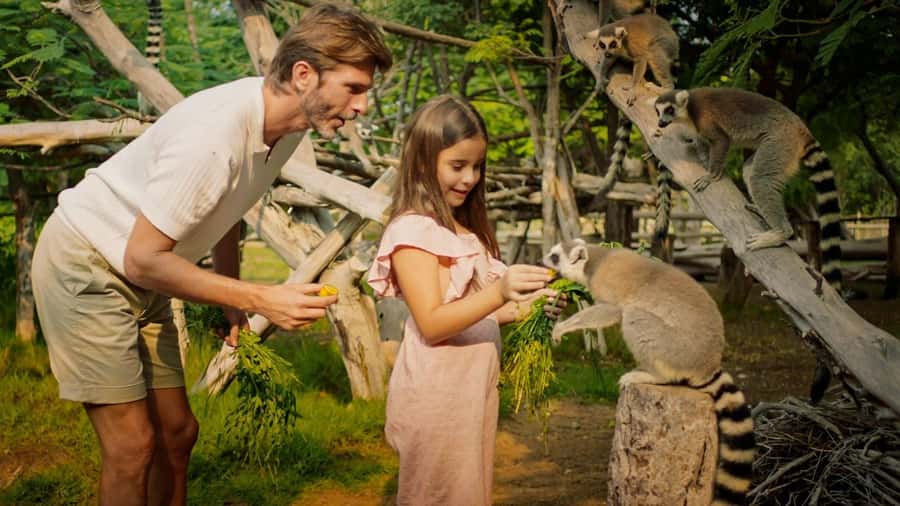
Kids Farm is aimed at hands-on family fun. Children can see and interact with farm animals such as sheep, donkeys, ponies, goats, ducks, and birds.
This is a useful break from large animals and long walking routes. Younger children often respond more directly to familiar farmyard animals than to an animal resting far away in a large habitat. Parents can also use the area as a natural pause before continuing to the larger villages.
Some feeding and animal encounters are complimentary, including the Alwada Pony Walk, duck feeding, and bird feeding. Other encounters cost extra and can be purchased at the park ticket counter.
If your child has a particular animal in mind, ask about availability early. Giraffe feeding is popular and can sell out for the entire day. The $13 entry does not automatically mean every close encounter is included, so set aside extra money only if those activities matter to you.
Feeding sessions, talks, and a sensible daily plan
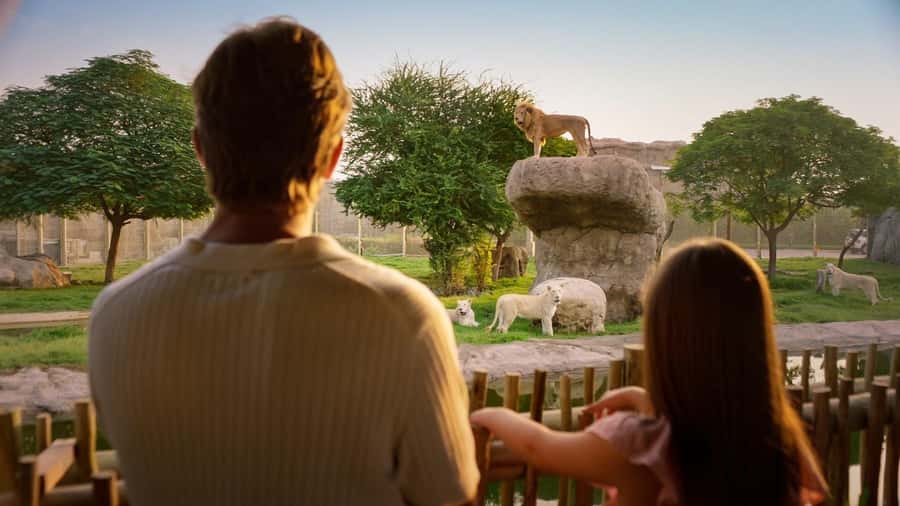
The park’s free schedule adds real value to the basic ticket. You can attend three live animal presentations, wildlife talks, Young Explorers workshops, and selected complimentary feeding or encounter activities.
The catch is timing. These are not activities that run continuously all day. Check the official website for current opening hours and the daily presentation and feeding times before you go. Schedules can change, and Ramadan hours are shorter, from 10 am to 6 pm, with final entry at 5 pm.
A useful plan looks like this:
- Arrive in the morning, ideally around 9 or 10 am when regular hours allow.
- Check the day’s show, feeding, bus, and train times at the entrance.
- Take the Arabian Desert tour or Explorer Safari early.
- Visit the African and Asian villages before the strongest afternoon heat.
- Use the theatre and Kids Farm as scheduled breaks.
- Leave time for food, rest, and any zone you missed.
You do not need to walk every path. If you try to see every corner without using the bus or train, the day can become tiring. Choose the animals and presentations that matter most to you, then use transport to fill the gaps.
Heat, shade, food, and comfort

Dubai Safari Park works hard to make the heat manageable. Shaded seating areas are spread around the park, and misting fans help cool the paths. These features make a big difference, especially from late spring into autumn.
They do not remove the need for sensible planning. Bring water, wear comfortable shoes, and avoid leaving the most exposed walking for the hottest part of the afternoon. Food and drinks are not included in the ticket, but food stalls are available and prices have been described as reasonable.
There are plenty of places to sit, which helps families with children or anyone who needs regular breaks. The layout is generally easy to follow, though some signs and directions between sections could be clearer. Keep an eye on the map and ask staff when a route seems uncertain.
Heat can also affect animal viewing. Some animals may stay indoors or remain in shade, so a hot-day visit will not always produce the same sightings as a cooler morning. That is not a fault in animal care. It is simply part of visiting a living collection in Dubai.
How the $13 ticket compares with the extras
At $13 per person, the basic ticket is good value if you are prepared to spend several hours in the park. You receive access to the main villages, the included Arabian Desert safari tour, three live presentations, talks, workshops, and selected free encounters based on the schedule.
The best extra for most people is the Explorer Safari bus. It improves access to the large animal areas and gives you closer views with less walking. The train is also useful, but it is more about moving around than adding a major animal experience.
Paid feeding sessions are a personal choice. Giraffe feeding, in particular, can be memorable, but book or arrange it early because spaces may disappear. If you are content to watch animals and attend the included activities, you can have a very good day without adding every extra.
Hotel pickup and drop-off are not included. The park is some distance from central Dubai, and one visitor reported a taxi fare of 130 AED for the return journey from the Palm area. Check your route carefully. Public transport directions can be confusing, and some buses may leave you a long walk from the entrance.
Who will enjoy Dubai Safari Park most
I would recommend this park to families, animal lovers, and anyone who wants a slower day away from Dubai’s towers and shopping centres. It suits adults as well as children, especially if you enjoy watching animal behavior rather than rushing from one photo stop to the next.
It is also a good choice for families with teenagers. The Explorer bus, large animals, bird areas, and feeding opportunities give older children more to do than a small petting zoo would.
You may want to skip it if you have only two or three hours in Dubai, dislike walking, or need guaranteed sightings of every animal. The park is large, and some animals may be resting or hidden. Without the bus or train, you need more energy and time.
The park is not a traditional desert safari. It is a managed wildlife sanctuary with themed habitats, guided bus viewing, talks, and animal encounters. If you want dune driving, sunset photography, or a desert camp, this is the wrong experience. If you want a full day of animal viewing inside Dubai, it fits well.
Should you book Dubai Safari Park?
I would book it if you can spare most of a day and want a family-friendly animal attraction at a modest entry price. The strongest reasons are the spacious habitats, the range of villages, the included educational activities, and the option to add a close-up bus tour.
Book early in the day, check the schedule before arriving, and consider adding the Explorer Safari. If giraffe feeding or another paid encounter is important, arrange it as soon as you enter. With those precautions, the park offers much better value than its low entry price might suggest.
FAQ
How long should I spend at Dubai Safari Park?
Plan at least four to six hours. The park is large, and a full day gives you time for the villages, safari rides, presentations, food, and rest breaks.
What is included with the basic entry ticket?
Entry includes access to the park and its themed villages. Admission also includes a 15-minute Arabian Desert Zone safari tour, three live animal presentations, wildlife talks, Young Explorers workshops, and selected complimentary encounters based on the daily schedule.
Is the Explorer Safari bus included?
The Explorer Safari is included only if you choose a ticket option that lists it. Otherwise, you can ask about adding it at the park ticket counter.
Does the ticket include the train ride?
The train ride is included only with selected ticket options. Check the ticket details before booking.
Are animal feeding sessions included?
Selected activities are complimentary, including the Alwada Pony Walk, duck feeding, and bird feeding. Other feeding sessions and encounters cost extra and can be purchased at the park.
Can children visit without an adult?
Children under 12 must be accompanied by an adult. Children under 3 enter free, but an identity card is required at entry.
Can I bring food, pets, or a bicycle?
No. Food, pets, bikes, skateboards, scooters, drones, smoking, vaping, and flash photography are not allowed.
What are the opening hours during Ramadan?
During Ramadan, the park is open from 10 am to 6 pm. The last entry is at 5 pm for all ticket types.
Is hotel pickup included?
No. Hotel pickup and drop-off are not included, so you need to arrange your own transport to Al Warqa.
Just added in Dubai
- Dubai: Jet Ski 30Min & 30Min Jet Car Burj Al Arab Adventure★ 5.0 · 9 reviews
- Combo: 30-Min Jet Ski to Burj Al Arab & Solo Parasailing★ 5.0 · 12 reviews
- Dubai SuperSaver Pass★ 4.2 · 22 reviews
- Dubai: Jet ski & Flyboard in Dubai Free Ice Cream★ 4.8 · 41 reviews
- Classic Dubai City Tour★ 4.3 · 13 reviews
- City Sightseeing Dubai HOHO Bus Tour, Aquaventure & More★ 4.4 · 26 reviews
- Burj Khalifa Private Videography Shoot★ 5.0 · 12 reviews
- Burj Al Arab: 2-Hour Yacht Tour with BBQ Dinner★ 4.6 · 44 reviews
Desert Safaris, compared.

Desert Safari, Quad Bike, Camel Ride & Al Khayma Camp
Read our review →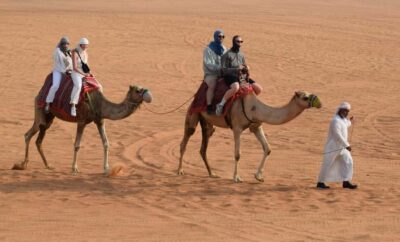
Desert Safari, Quad Bike, Camel Ride and Sandboarding
Read our review →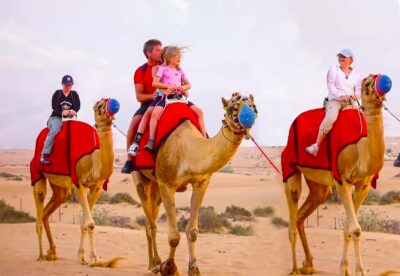
Safari, Quad Bike, Camel Ride, and Buffet Dinner
Read our review →
Red Dune Safari, Quad Bike, Camel Ride, BBQ Dinner
Read our review →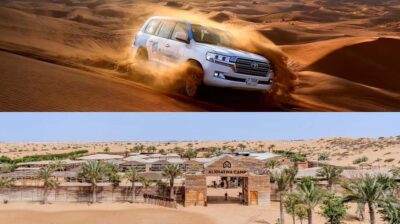
Premium Safari, Camel Ride & Al Khayma Camp 3-Buffets
Read our review →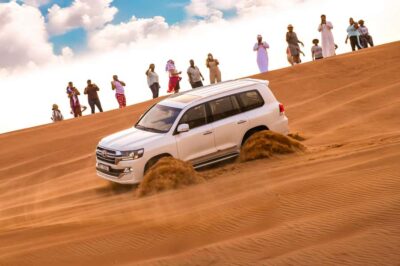
Desert Safari with BBQ Dinner & Quad Biking Options
Read our review →
Half-Day Desert Safari, Camel Ride, ATV & Dune Buggy
Read our review →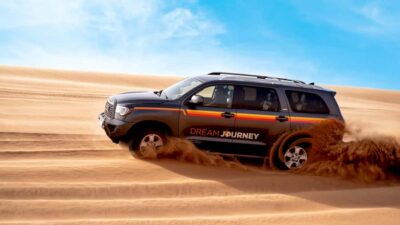
Dubai Desert Safari – Camel Ride, Sandboarding & 30 Min Quad
Read our review →Browse the lists this tour appears in